A Japan 7-day itinerary is an excellent way to experience some of the country’s most iconic destinations in one memorable holiday. From the modern energy of Tokyo to the traditional streets of Kyoto and the spectacular scenery around Mount Fuji, this route combines Japanese culture, food, history, nature and city experiences.
Japan offers an exciting contrast between ancient temples, futuristic neighbourhoods, peaceful gardens, lively markets and dramatic mountain landscapes. Although seven days is not enough to see the whole country, careful planning allows first-time visitors to explore three of its most celebrated highlights.
This itinerary covers:
- Tokyo’s modern districts and historic attractions
- A scenic visit to the Mount Fuji region
- Kyoto’s temples, gardens and traditional neighbourhoods
- Japanese food, culture and shopping
- Practical advice for transport, accommodation and planning
The route can be adapted depending on your arrival airport, travel season, interests and preferred pace.
Japan 7-Day Itinerary at a Glance
| Day | Destination | Main Experiences |
|---|---|---|
| Day 1 | Tokyo | Arrival, Shibuya and Shinjuku |
| Day 2 | Tokyo | Asakusa, Ueno and traditional Tokyo |
| Day 3 | Mount Fuji region | Lake Kawaguchiko or Hakone day trip |
| Day 4 | Tokyo to Kyoto | Shinkansen journey and Kyoto exploration |
| Day 5 | Kyoto | Temples, shrines and historic streets |
| Day 6 | Kyoto | Arashiyama, Fushimi Inari and local culture |
| Day 7 | Kyoto and departure | Final sightseeing and onward travel |
Day 1: Arrive in Tokyo and Discover Modern Japan
Your Japan holiday begins in Tokyo, one of the world’s most dynamic cities. Depending on your arrival time, allow time for immigration, baggage collection, airport transfers and checking into your accommodation.
After settling in, begin with one of Tokyo’s famous modern districts.
Explore Shibuya
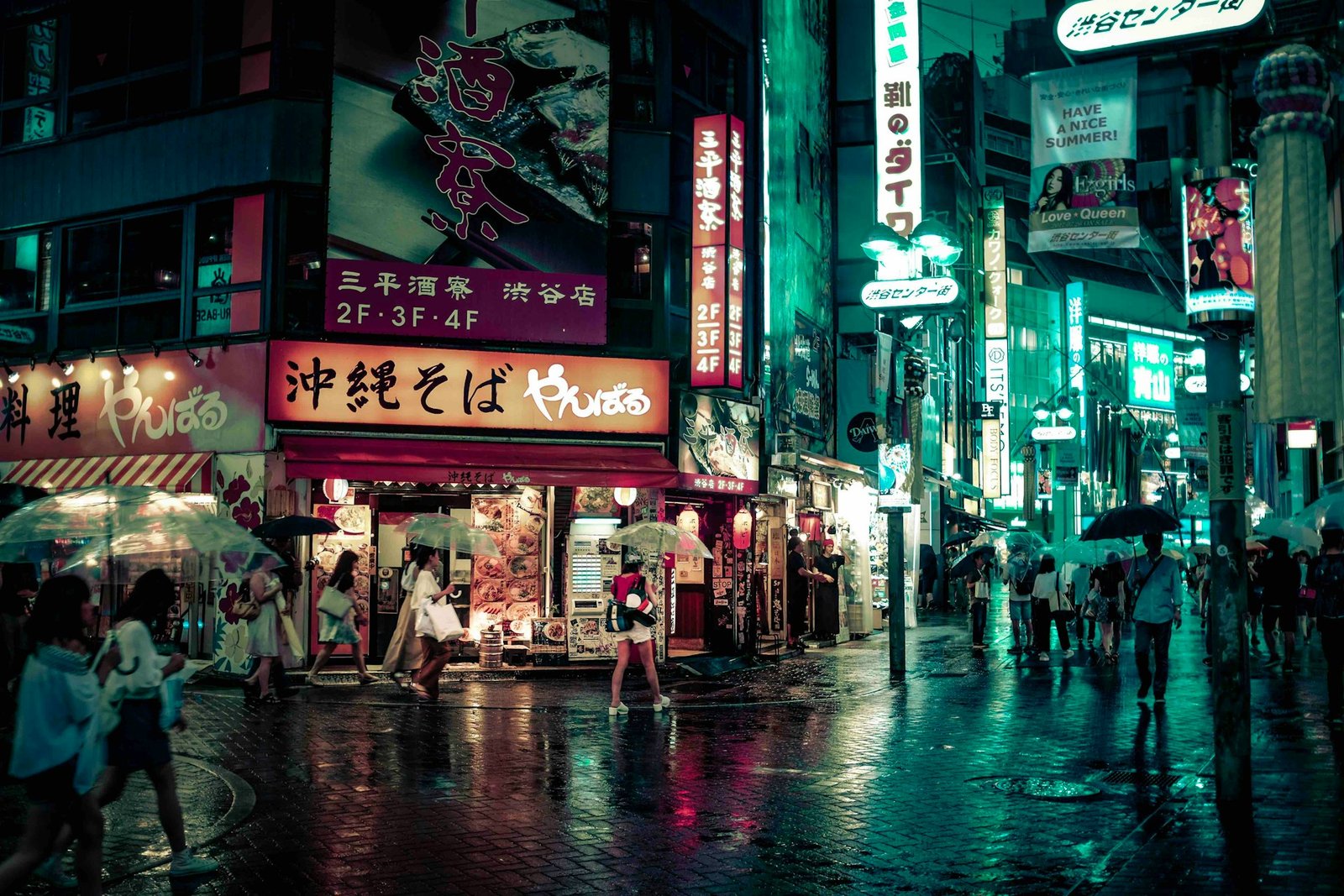
Shibuya is known for its energetic atmosphere, shopping streets, cafés and famous pedestrian crossing. The area is a good introduction to Tokyo’s contemporary side, with large department stores, fashion boutiques and entertainment venues.
Popular experiences include:
- Watching the famous Shibuya Crossing
- Exploring Shibuya’s shopping streets
- Visiting cafés and Japanese restaurants
- Enjoying city views from an observation platform
- Discovering local fashion and entertainment districts
For panoramic views, travellers may consider a rooftop or observation attraction, subject to availability and advance booking.
Continue to Shinjuku
In the evening, visit Shinjuku, a lively district filled with restaurants, shopping centres, illuminated streets and entertainment venues.
You can explore:
- Shinjuku’s shopping and dining areas
- Omoide Yokocho’s narrow restaurant lanes
- Kabukicho’s illuminated streets
- Shinjuku Gyoen, if visiting during suitable opening hours
- Department stores and Japanese food halls
Tokyo’s food scene is one of the highlights of any Japan itinerary. Depending on your preferences, your first dinner could include ramen, sushi, tempura, yakitori or a traditional Japanese set meal.
Overnight: Tokyo.
Day 2: Discover Traditional Tokyo
Day two introduces the historic and cultural side of Tokyo. The city is famous for its futuristic skyline, but it also contains temples, traditional shopping streets, gardens and neighbourhoods that reflect its long history.
Visit Senso-ji Temple in Asakusa
Begin your day in Asakusa, one of Tokyo’s best-known historic districts. The area is home to Senso-ji, a major Buddhist temple and one of the city’s most recognisable landmarks.
The approach to the temple includes Nakamise, a traditional shopping street where visitors can browse souvenirs, crafts, snacks and Japanese sweets.
Allow time to:
- Visit Senso-ji Temple
- Walk through Nakamise shopping street
- Explore nearby traditional streets
- Try Japanese snacks and sweets
- Photograph the Kaminarimon Gate
Asakusa offers a different atmosphere from the busy commercial districts of Shibuya and Shinjuku.
Explore Ueno
Continue to Ueno, an area known for its park, museums, cultural institutions and markets.
Depending on your interests, you can visit:
- Ueno Park
- A local museum
- Shinobazu Pond
- Ameyoko shopping street
- Traditional food stalls and small shops
Ueno is also a convenient place to enjoy lunch, with options ranging from casual Japanese restaurants to market-style food.
Optional Evening Experience
In the evening, you may choose to explore another Tokyo neighbourhood, enjoy a Japanese cooking experience or spend time shopping for souvenirs.
Other possible options include:
- Akihabara for electronics, anime and gaming culture
- Ginza for luxury shopping and elegant dining
- Harajuku for fashion and youth culture
- Tokyo Station for architecture, shopping and restaurants
Overnight: Tokyo.
Day 3: Mount Fuji Day Trip from Tokyo
No Japan 7-day itinerary would be complete without an opportunity to see Mount Fuji, Japan’s iconic mountain and one of its most recognisable natural landmarks.
The best day-trip option depends on the season, weather conditions and your interests. Two popular choices are the Lake Kawaguchiko and Fuji Five Lakes region or Hakone.
Because Mount Fuji can be obscured by clouds, it is useful to remain flexible and choose the day with the most favourable forecast.
Option A: Lake Kawaguchiko and the Fuji Five Lakes
Lake Kawaguchiko is a popular destination for views of Mount Fuji. The area combines lakeside scenery, mountain landscapes, cultural attractions and opportunities for relaxation.
Travel from central Tokyo to Kawaguchiko by highway bus or train. The journey commonly takes approximately two hours, depending on the route and traffic.
Possible experiences include:
Enjoy Lake Kawaguchiko
Walk along the lakeshore and look for views of Mount Fuji reflected in the water. Early mornings may offer better visibility, although conditions vary throughout the year.
Visit the Mount Fuji Panoramic Ropeway
The ropeway provides elevated views over Lake Kawaguchiko and the surrounding landscape. It is a popular option for travellers who want scenic photographs without undertaking a demanding hike.
Explore Oshino Hakkai
Oshino Hakkai is known for its clear ponds, traditional-style buildings and views of Mount Fuji. It offers an opportunity to experience a quieter landscape away from Tokyo.
Consider Chureito Pagoda
Chureito Pagoda, located in the wider Fuji area, is famous for its views combining a pagoda, surrounding scenery and Mount Fuji. The viewpoint involves stairs, so comfortable shoes are recommended.
Option B: Hakone
Hakone is another popular excursion from Tokyo. It is known for hot springs, mountain scenery, museums, Lake Ashi and views of Mount Fuji when weather conditions are favourable.
Possible activities include:
- Riding the Hakone mountain railway
- Visiting the Hakone Open-Air Museum
- Exploring Lake Ashi
- Viewing the torii gate associated with Hakone Shrine
- Enjoying a traditional hot-spring experience
- Taking the ropeway over the Owakudani area
Hakone is particularly appealing to travellers who want a combination of nature, relaxation and cultural experiences.
Mount Fuji Travel Tips
When planning your Mount Fuji excursion:
- Start early to improve your chances of clear views.
- Check the weather forecast before departing.
- Reserve transport during busy periods.
- Wear comfortable walking shoes.
- Bring an extra layer, as mountain areas can be cooler than Tokyo.
- Allow additional time for traffic when travelling by road.
- Remember that visibility is never guaranteed.
Return to Tokyo in the evening.
Overnight: Tokyo.
Day 4: Travel from Tokyo to Kyoto
On day four, travel from Tokyo to Kyoto, Japan’s historic cultural capital. The Shinkansen, or bullet train, is one of the most convenient ways to make this journey.
The trip generally takes around two to three hours, depending on the service selected. Seat reservations may be advisable during busy travel periods.
Enjoy the Shinkansen Journey
The journey itself is part of the Japanese travel experience. As the train leaves Tokyo, the urban landscape gradually changes into quieter towns, agricultural areas and mountain scenery.
On a clear day, there may be an opportunity to see Mount Fuji from the train, depending on the direction of travel, weather and seating position.
Explore Kyoto After Arrival
After checking into your accommodation, begin with a relaxed introduction to Kyoto.
Possible activities include:
- Walking around Kyoto Station
- Exploring the area near the Kamogawa River
- Visiting Nishiki Market
- Discovering traditional cafés
- Walking through Gion
- Enjoying a Kyoto-style dinner
Nishiki Market is a useful place to discover local ingredients, Japanese snacks, pickles, sweets and regional food traditions.
Evening in Gion
Gion is one of Kyoto’s best-known historic areas. Its narrow streets, traditional architecture and atmospheric lanes offer a glimpse of the city’s cultural heritage.
Visitors should be respectful when walking through residential and traditional neighbourhoods. Avoid photographing private homes or people without permission, and follow local signs and guidance.
Overnight: Kyoto.
Day 5: Kyoto’s Temples, Shrines and Historic Streets
Kyoto is known for its temples, gardens, shrines and traditional architecture. Day five focuses on some of the city’s most famous cultural attractions.
Visit Kiyomizu-dera
Begin at Kiyomizu-dera, a celebrated Buddhist temple located in Kyoto’s eastern hills. The temple is associated with scenic views, historic architecture and the traditional streets leading towards it.
The surrounding area includes:
- Ninenzaka
- Sannenzaka
- Traditional craft shops
- Tea houses
- Japanese sweets shops
- Souvenir stores
The streets can become busy, particularly during peak seasons, so an early visit may provide a more comfortable experience.
Explore Higashiyama
The Higashiyama area is ideal for walking and discovering Kyoto’s traditional atmosphere. Take time to explore its lanes, small shops, cafés and historic buildings.
Visitors may enjoy:
- Matcha tea
- Traditional sweets
- Local crafts
- Japanese ceramics
- Seasonal decorations
- Small gardens and temples
Visit Fushimi Inari Taisha
In the afternoon, visit Fushimi Inari Taisha, one of Kyoto’s most recognisable shrines. It is famous for its long pathways lined with vermilion torii gates.
The shrine complex extends into a wooded mountain area. Visitors can choose a shorter walk or continue farther along the trails, depending on their time and fitness.
Wear comfortable shoes and allow extra time if you wish to explore beyond the main shrine area.
Enjoy Kyoto Cuisine
Kyoto’s food culture includes both refined traditional dishes and casual local specialities. Depending on your preferences, consider trying:
- Kaiseki-inspired dishes
- Yudofu, or tofu hot pot
- Soba noodles
- Matcha desserts
- Seasonal vegetables
- Kyoto-style sweets
Overnight: Kyoto.
Day 6: Arashiyama and Kyoto’s Natural Beauty
Day six explores the western side of Kyoto, particularly Arashiyama, an area known for its bamboo grove, temples, river scenery and traditional landscapes.
Walk Through Arashiyama Bamboo Grove
The Arashiyama Bamboo Grove is one of Kyoto’s most photographed attractions. Walking among the tall bamboo stalks creates a peaceful contrast with the city’s busier districts.
For a quieter experience, consider arriving early and following local visitor guidance.
Visit Tenryu-ji Temple
Tenryu-ji is an important Zen temple in Arashiyama. Its gardens and historic setting make it a valuable stop for travellers interested in Japanese design, religion and landscape aesthetics.
Explore the Katsura River Area
The river and surrounding scenery offer opportunities for a relaxed walk, photography and seasonal sightseeing.
Depending on the time of year, you may see:
- Spring blossoms
- Fresh green landscapes
- Autumn foliage
- Winter scenery
- Seasonal riverside views
Optional Activities
If time allows, you may also consider:
- Visiting another nearby temple
- Taking a traditional boat ride, subject to operating conditions
- Exploring local craft shops
- Enjoying a tea ceremony
- Visiting a Japanese garden
- Taking a relaxed walk through quieter Kyoto neighbourhoods
Experience a Traditional Japanese Activity
Kyoto is a good place to participate in a cultural activity. Options may include:
- Tea ceremony
- Calligraphy
- Kimono experience
- Japanese cooking class
- Traditional craft workshop
- Guided cultural walking tour
These experiences can make a short Japan holiday more meaningful by providing insight into local customs and traditions.
Overnight: Kyoto.
Day 7: Final Kyoto Experiences and Departure
Your final day depends on your departure time and airport arrangements. If you have a late departure, you may have time for one more cultural or shopping experience.
Possible Final Activities
You could:
- Visit a nearby temple or garden
- Shop for Japanese souvenirs
- Explore Kyoto Station
- Enjoy a final Japanese breakfast
- Purchase matcha products and traditional sweets
- Take a final walk along the Kamogawa River
If departing from Kansai International Airport, allow sufficient time for the journey from Kyoto to the airport. If your international flight departs from Tokyo, plan carefully for the return journey and consider whether an additional night in Tokyo would be more convenient.
For travellers with limited time, a carefully organised departure transfer can reduce stress after a busy week.
Best Time to Follow This Japan 7-Day Itinerary
Japan can be visited throughout the year, but each season offers a different experience.
Spring: March to May
Spring is popular for cherry blossoms, pleasant temperatures and colourful parks and gardens. Cherry blossom timing varies by location and year, and popular viewing areas can become very busy.
Spring is a good choice for:
- Cherry blossom viewing
- Garden visits
- Comfortable city sightseeing
- Photography
- Seasonal festivals
Summer: June to August
Summer brings festivals, fireworks and lush landscapes, but many areas can be hot and humid. The rainy season and occasional typhoons may affect travel plans.
Summer is suitable for travellers interested in:
- Festivals
- Fireworks
- Mountain landscapes
- Outdoor activities
- Seasonal cultural events
Autumn: September to November
Autumn is widely appreciated for colourful foliage and comfortable sightseeing conditions in many parts of Japan. The timing of autumn colours varies between northern and southern regions and between cities and mountain areas.
Autumn is ideal for:
- Temple and garden visits
- Scenic train journeys
- Mountain views
- Photography
- Cultural sightseeing
Winter: December to February
Winter offers crisp weather, fewer visitors in some destinations and opportunities for snow experiences, hot springs and seasonal food. Conditions vary considerably between Tokyo, Kyoto, northern Japan and mountain regions.
Winter may appeal to travellers interested in:
- Snowy landscapes
- Hot springs
- Winter cuisine
- Illuminations
- Ski destinations
- Quieter sightseeing
Practical Travel Tips for First-Time Visitors
Plan Intercity Transport
Tokyo and Kyoto are connected by the Shinkansen, making the journey convenient. Book seats in advance during major holidays and busy travel periods.
Use an IC Transport Card
An IC card can simplify payment for many local trains, buses and subway journeys. Availability, supported services and purchase procedures may vary, so confirm current arrangements when you arrive.
Allow Time for Transfers
Japan’s transport network is efficient, but stations can be large. Allow time to locate platforms, transfer between lines and manage luggage.
Travel Light Between Tokyo and Kyoto
If possible, pack a manageable suitcase or use a luggage-delivery service. Travelling with less luggage can make train stations, hotel check-ins and local transport easier.
Book Popular Attractions Early
Some attractions, observation decks, cultural experiences and transport services may require advance reservations, especially during cherry blossom season, autumn foliage season and public holidays.
Respect Local Customs
Travellers should observe basic Japanese etiquette, including:
- Keeping noise low on public transport
- Following queues
- Removing shoes where required
- Avoiding littering
- Respecting temple and shrine rules
- Asking before photographing people
- Following local recycling and waste instructions
Prepare for Different Weather Conditions
Weather can change between Tokyo, Mount Fuji and Kyoto. Bring comfortable walking shoes, layers and suitable rain protection.
Allow Flexibility
Mount Fuji visibility depends heavily on weather. It is wise to keep the itinerary flexible enough to move the Mount Fuji excursion to a clearer day when possible.
Is Seven Days Enough for Japan?
Seven days is enough to experience a well-planned introduction to Japan, particularly if you focus on Tokyo, Mount Fuji and Kyoto. However, the itinerary is active and includes a long-distance transfer between major cities.
Travellers who prefer a slower pace may wish to:
- Spend more time in Tokyo
- Stay overnight near Mount Fuji
- Reduce the number of Kyoto attractions
- Add an extra night in Kyoto
- Remove the Mount Fuji excursion
- Extend the trip to include Osaka or Nara
A longer holiday would allow more time for regional exploration, but this seven-day route offers a strong balance of urban experiences, cultural attractions and natural scenery.
Frequently Asked Questions
What is the best 7-day itinerary for Japan?
A popular first-time route is Tokyo, a Mount Fuji or Hakone excursion, and Kyoto. This combination offers modern city experiences, traditional culture, historic sites and scenic mountain landscapes.
How many days should I spend in Tokyo and Kyoto?
For a seven-day trip, three days in Tokyo, one day for the Mount Fuji region, and three days in Kyoto can work well. The exact balance depends on arrival and departure arrangements.
Can I visit Mount Fuji from Tokyo in one day?
Yes. Lake Kawaguchiko and Hakone are popular day-trip destinations from Tokyo. Travel times vary, and weather conditions may affect the experience.
Is it better to stay overnight near Mount Fuji?
An overnight stay can be worthwhile for travellers who want a slower pace, scenic views, hot springs or more time around the Fuji Five Lakes. A day trip is more practical for visitors with limited time.
How do I travel from Tokyo to Kyoto?
The Shinkansen is one of the most convenient options. The journey generally takes approximately two to three hours, depending on the train service.
What is the best time to visit Tokyo, Kyoto and Mount Fuji?
Spring and autumn are popular for pleasant sightseeing conditions and seasonal scenery. Summer offers festivals and greenery, while winter provides cooler weather and opportunities for snow and hot-spring experiences.
Should I buy a Japan Rail Pass for seven days?
The value of a rail pass depends on your complete route, travel dates and the number of long-distance journeys. Compare the cost of individual tickets with available rail-pass options before purchasing.
What should I pack for a Japan holiday?
Pack comfortable walking shoes, weather-appropriate clothing, a light jacket, portable charging equipment, necessary medication and a small day bag. Travelling light can make train journeys and hotel transfers easier.
Plan Your Japan Holiday with GlobalLink Suisse
A well-organised Japan holiday allows you to experience the country’s famous cities, cultural landmarks and natural landscapes without unnecessary travel stress. From Tokyo’s modern districts to Kyoto’s historic streets and the scenic surroundings of Mount Fuji, this seven-day itinerary offers a memorable introduction to Japan.
Contact GlobalLink Suisse to discuss your Japan travel plans and create a personalised itinerary based on your preferred destinations, travel dates, interests and budget.