Japan is a year-round destination with four distinct seasons, each offering a different way to experience its cities, landscapes, culture and traditions. From cherry blossoms in spring and lively festivals in summer to colourful autumn foliage and snowy mountain resorts in winter, the best time to visit Japan depends on the experiences you want to enjoy.
For first-time travellers, spring and autumn are often attractive because of their generally comfortable sightseeing conditions and seasonal scenery. However, summer offers cultural festivals and outdoor activities, while winter is ideal for skiing, hot springs and peaceful snow-covered landscapes.
Japan stretches from northern Hokkaido to subtropical Okinawa, so weather conditions can vary significantly between regions. A season that brings snow to Hokkaido may offer mild temperatures in Okinawa. It is therefore important to consider both the time of year and the destinations included in your itinerary.
When Is the Best Time to Visit Japan?
There is no single best month for every traveller. The ideal travel period depends on your interests, budget, tolerance for crowds and preferred destinations.
Here is a general overview:
| Season | Months | Best For |
|---|---|---|
| Spring | March–May | Cherry blossoms, gardens, cultural sightseeing and mild weather |
| Summer | June–August | Festivals, fireworks, beaches and mountain activities |
| Autumn | September–November | Autumn foliage, comfortable sightseeing and food experiences |
| Winter | December–February | Skiing, snow scenery, hot springs and winter culture |
Spring and autumn are particularly popular for sightseeing, while winter can offer quieter travel outside the New Year period. Summer is lively but can be hot and humid, especially in major cities.
Spring in Japan: Cherry Blossoms and Fresh Landscapes
March to May
Spring is one of the most popular times to visit Japan. The season brings warmer temperatures, fresh greenery, colourful flowers and the famous cherry blossoms that attract travellers from around the world.
Cherry blossoms do not appear everywhere at the same time. They generally begin in the warmer southern regions and gradually move northward. Depending on the location and weather conditions, blossom viewing may be possible from late winter into spring.
Why Visit Japan in Spring?
Spring is ideal for travellers who want to enjoy:
- Cherry blossom viewing
- Traditional gardens
- Temple and shrine visits
- Outdoor walks
- Cultural sightseeing
- Scenic train journeys
- Photography
- Mild conditions in many major destinations
The combination of flowering trees, historic architecture and traditional gardens creates some of Japan’s most memorable scenery.
Best Places to Visit in Spring
Tokyo
Tokyo offers many parks and gardens where visitors may enjoy seasonal flowers. Popular areas include Ueno Park, Shinjuku Gyoen and traditional gardens such as Rikugien.
Spring is also a good time to explore Tokyo’s neighbourhoods, museums, shopping districts and cultural attractions.
Kyoto
Kyoto is especially attractive in spring because its temples, gardens and historic streets provide a beautiful setting for seasonal scenery.
Visitors may enjoy exploring:
- Maruyama Park
- Philosopher’s Path
- Higashiyama
- Kiyomizu-dera
- Arashiyama
- Traditional temple gardens
Osaka
Osaka combines spring sightseeing with food, shopping and entertainment. Parks, riverside areas and historic sites can provide opportunities for enjoying the seasonal atmosphere.
Mount Yoshino
Mount Yoshino in Nara Prefecture is widely associated with cherry blossoms and offers a scenic setting for flower viewing and walking.
What to Consider When Travelling in Spring
Spring is a peak travel period in many parts of Japan. Popular attractions, hotels and transport services may become crowded, especially during the most anticipated cherry blossom periods.
Travellers should:
- Book accommodation early
- Check regional blossom forecasts
- Prepare for changing temperatures
- Carry layers for cool mornings and evenings
- Expect crowds at famous viewing locations
- Keep plans flexible because flowering dates vary
Cherry blossom timing is influenced by weather, so it is not possible to guarantee that blossoms will be at their peak on a particular date.
Summer in Japan: Festivals, Fireworks and Outdoor Adventures
June to August
Summer in Japan is lively, colourful and full of cultural events. The season brings traditional festivals, fireworks displays, outdoor activities and opportunities to explore beaches, mountains and rural destinations.
However, many parts of Japan experience high temperatures and humidity during summer. Travellers should plan outdoor activities carefully and stay hydrated.
Why Visit Japan in Summer?
Summer is suitable for travellers interested in:
- Traditional festivals
- Fireworks displays
- Outdoor concerts and events
- Beach holidays
- Mountain excursions
- Hiking
- Island destinations
- Seasonal food and celebrations
Summer is also a good time to explore northern Japan and mountain areas, where conditions may be cooler than in major urban centres.
Best Summer Experiences
Experience a Japanese Festival
Summer festivals are an important part of Japanese culture. They may include parades, traditional performances, food stalls, lanterns and local celebrations.
Examples of well-known summer events include:
- Gion Festival activities in Kyoto
- Aomori Nebuta Festival
- Regional summer dance festivals
- Fireworks events across the country
Event dates, schedules and access arrangements should be confirmed before travelling.
Enjoy a Fireworks Display
Fireworks are a major feature of Japanese summer. Displays are often held near rivers, lakes, coastal areas and city centres.
Attending a fireworks event can be a memorable cultural experience, but popular events may attract very large crowds. Travellers should plan transport and arrive early.
Explore the Mountains
Mountain destinations can offer relief from the heat of major cities. Travellers may consider:
- The Japanese Alps
- Hokkaido
- Tohoku
- Hakone
- Mountain areas near Nagano
- Mount Fuji, subject to seasonal access and weather conditions
Visit the Coast or Islands
Summer is a popular period for beach trips and coastal holidays. Okinawa and other southern islands offer a warmer, subtropical atmosphere, while coastal destinations across the country provide different scenery and activities.
What to Consider When Travelling in Summer
Summer conditions can be challenging, particularly in Tokyo, Kyoto and Osaka.
Travellers should:
- Drink water regularly
- Use sun protection
- Wear light, breathable clothing
- Plan sightseeing during cooler parts of the day
- Take breaks in shaded or air-conditioned areas
- Check weather warnings
- Be aware that typhoons may affect travel, especially later in summer
The rainy season generally occurs around June and into July, although its timing varies by region. Rain may affect outdoor activities, but it can also bring fewer crowds and attractive seasonal scenery.
Autumn in Japan: Colourful Leaves and Comfortable Weather
September to November
Autumn is one of the best seasons for sightseeing in Japan. As temperatures begin to fall, trees turn shades of red, orange and gold, creating beautiful scenery in cities, gardens, temples and mountain regions.
Autumn is particularly appealing to travellers who want to combine outdoor exploration with cultural experiences.
Why Visit Japan in Autumn?
Autumn is ideal for:
- Viewing colourful foliage
- Visiting temples and shrines
- Exploring gardens
- Hiking
- Scenic railway journeys
- Photography
- Food experiences
- Cultural festivals
- Comfortable city sightseeing
The autumn foliage season generally begins earlier in northern Japan and at higher elevations before progressing towards southern regions.
Best Places to Visit in Autumn
Kyoto
Kyoto is one of Japan’s most famous autumn destinations. Its temples, gardens and historic neighbourhoods are framed by colourful trees during the season.
Popular areas may include:
- Kiyomizu-dera
- Arashiyama
- Tofuku-ji
- Philosopher’s Path
- Higashiyama
- Traditional Japanese gardens
Tokyo
Tokyo offers autumn scenery in parks and formal gardens. Visitors may explore:
- Rikugien Garden
- Meiji Jingu Gaien
- Shinjuku Gyoen
- Ueno Park
- Imperial Palace-area gardens
Nikko
Nikko is known for its temples, shrines, forests and mountain scenery. Autumn can be an especially attractive time to explore the area.
Lake Kawaguchiko
Lake Kawaguchiko offers the possibility of combining autumn colours with views of Mount Fuji. Visibility depends on weather conditions, so travellers should allow flexibility.
Hokkaido
Hokkaido often experiences autumn colours earlier than many other parts of Japan. Its national parks, mountain landscapes and countryside can be particularly appealing during this season.
What to Consider When Travelling in Autumn
Autumn is a popular travel season, especially when foliage reaches its peak.
Travellers should:
- Check regional foliage forecasts
- Book accommodation in popular destinations early
- Carry layers for cooler evenings
- Prepare for changing weather
- Expect crowds at famous viewing locations
- Consider visiting less-known parks and towns
Typhoon activity can affect parts of Japan during late summer and early autumn, so travellers should monitor weather information when planning outdoor activities.
Winter in Japan: Snow, Ski Resorts and Hot Springs
December to February
Winter transforms many parts of Japan into a landscape of snow, clear skies and peaceful scenery. Northern Japan and mountainous regions receive substantial snowfall, while cities on the Pacific side may experience colder but relatively dry conditions.
Winter is an excellent season for travellers interested in skiing, snowboarding, hot springs and traditional winter experiences.
Why Visit Japan in Winter?
Winter is ideal for:
- Skiing and snowboarding
- Snow-covered villages
- Hot spring bathing
- Winter festivals
- Mountain scenery
- Seasonal cuisine
- Snow photography
- Quiet cultural sightseeing
- Traditional winter accommodation
Japan’s winter appeal extends beyond snow sports. Travellers can enjoy warm meals, hot springs, cultural attractions and peaceful temple visits.
Best Places to Visit in Winter
Hokkaido
Hokkaido is famous for its winter scenery and ski destinations. Areas such as Niseko attract visitors interested in snow sports, while Sapporo offers city attractions and seasonal events.
Nagano and the Japanese Alps
Mountain areas around Nagano offer skiing, snow activities and access to traditional hot spring towns.
Hakuba
Hakuba is a well-known mountain destination with winter sports opportunities and beautiful Alpine scenery.
Kyoto
Kyoto can be quieter in winter outside major holiday periods. Snow occasionally creates beautiful scenes around temples, gardens and traditional streets, although snowfall is not guaranteed.
Hot Spring Towns
Winter is an excellent time to experience an onsen. Traditional hot spring towns offer an opportunity to relax in warm mineral-rich bathing facilities while enjoying the colder surroundings.
What to Consider When Travelling in Winter
Winter conditions vary significantly by region.
Travellers should:
- Pack warm layers
- Bring suitable footwear
- Check snowfall and transport conditions
- Confirm the opening dates of winter attractions
- Allow extra time for journeys affected by snow
- Reserve ski accommodation early
- Follow hot spring etiquette
- Check mountain transport schedules
The New Year period is a major domestic holiday season in Japan. Transport and accommodation can become particularly busy from late December into early January.
Japan’s Rainy Season: What Travellers Should Know
Japan’s rainy season, commonly known as tsuyu, generally occurs around June and July in many parts of the country. The timing and intensity vary by region.
Rainy-season travel is not necessarily a reason to avoid Japan. Rain can create atmospheric scenery around temples, gardens and forests, while some attractions may be less crowded.
Advantages of Visiting During the Rainy Season
Travellers may benefit from:
- Fewer visitors at some attractions
- Potentially lower accommodation demand
- Lush green landscapes
- Hydrangea flowers
- Comfortable temperatures compared with later summer
- More opportunities to explore museums, cafés and indoor attractions
Tips for Rainy-Season Travel
- Carry a compact umbrella
- Wear water-resistant shoes
- Pack quick-drying clothing
- Allow extra time for transport
- Keep outdoor plans flexible
- Check local weather forecasts
- Include indoor attractions in your itinerary
Rainfall varies considerably across Japan, so conditions in Tokyo may differ from those in Hokkaido, Okinawa or the Japanese Alps.
Japan’s Peak Travel Periods
Certain holidays and events can make travel more crowded and expensive.
New Year
The New Year period, generally from late December into early January, is one of Japan’s busiest domestic travel periods. Some businesses and attractions may operate on reduced schedules or close temporarily.
Golden Week
Golden Week usually occurs from late April to early May. A series of national holidays encourages domestic travel, making trains, hotels and popular attractions especially busy.
Obon
Obon is generally observed around mid-August. It is an important period for family gatherings and domestic travel, so transport and accommodation may experience increased demand.
School and Public Holidays
School holidays, long weekends and major festivals can also affect prices and availability.
Travellers visiting during busy periods should:
- Book accommodation early
- Reserve long-distance train seats
- Allow extra time at stations
- Expect crowds
- Check holiday opening schedules
- Avoid overly tight itineraries
Best Time to Visit Japan by Travel Interest
The ideal season can also depend on the type of holiday you want.
| Travel Interest | Recommended Period | Suggested Destinations |
|---|---|---|
| Cherry blossoms | Spring | Tokyo, Kyoto, Osaka, Nara and selected countryside areas |
| Autumn foliage | Autumn | Kyoto, Nikko, Tokyo, Hokkaido and mountain regions |
| Skiing and snowboarding | Winter | Hokkaido, Hakuba, Nagano and other mountain resorts |
| Hot springs | Winter, though available year-round | Hakone, Kusatsu and traditional onsen towns |
| Festivals and fireworks | Summer | Kyoto, Aomori and regional festival destinations |
| Beach holidays | Summer | Okinawa and selected coastal areas |
| Hiking and outdoor exploration | Spring and autumn | Japanese Alps, national parks and countryside regions |
| City sightseeing | Spring and autumn | Tokyo, Kyoto, Osaka, Hiroshima and Kanazawa |
| Lower-crowd travel | Selected weekdays in winter or rainy season | Major cities and cultural destinations, depending on local conditions |
Best Time to Visit Popular Japanese Destinations
Tokyo
Tokyo can be visited throughout the year. Spring and autumn are comfortable for sightseeing, while winter often offers cooler weather and clear days. Summer is lively but can be hot and humid.
Kyoto
Spring and autumn are particularly popular because of seasonal scenery around temples and gardens. Summer offers festivals and cultural events, while winter can provide a quieter atmosphere.
Osaka
Osaka is a year-round destination for food, shopping and entertainment. Spring and autumn are comfortable for walking, while summer is suitable for festivals and nearby coastal activities.
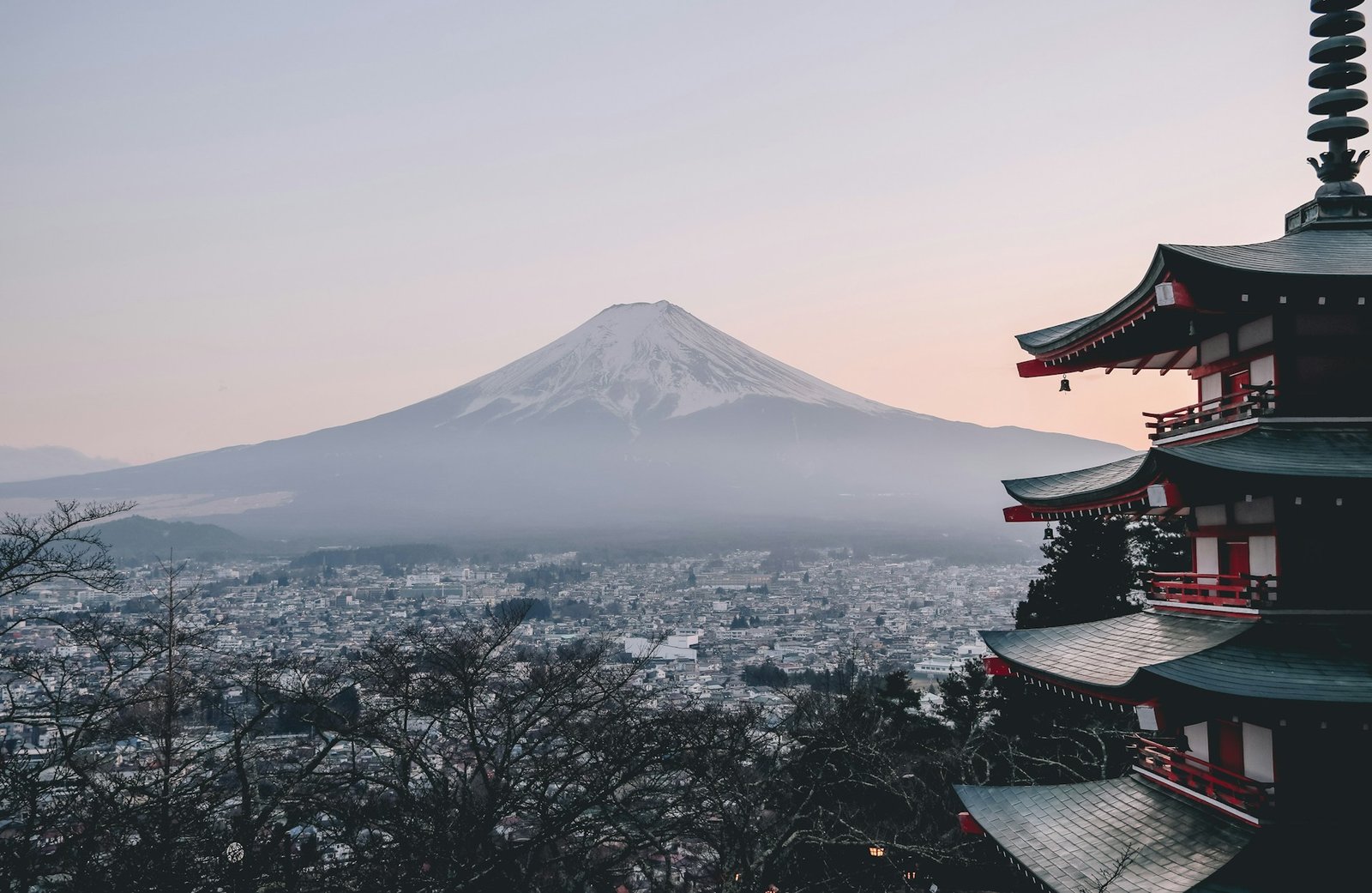
Mount Fuji
Visibility is highly dependent on weather and cloud cover. Spring and autumn can offer attractive scenery, but travellers should keep their plans flexible. Mountain access and climbing conditions are seasonal.
Hokkaido
Winter is ideal for skiing and snow activities. Summer offers cooler conditions than many parts of Japan, while autumn brings early foliage and beautiful countryside scenery.
Okinawa
Okinawa has a warmer climate than much of mainland Japan. It can be suitable for coastal and island experiences beyond the traditional spring, summer, autumn and winter travel pattern.
Month-by-Month Overview
January
January is suitable for skiing, snow scenery and hot springs. The New Year period can be busy, but travel may become quieter after the main holiday period.
February
February is a strong month for winter sports, snowy landscapes and winter festivals. Southern areas may begin showing early signs of spring.
March
March marks the beginning of spring in many regions. Temperatures become milder, although conditions can still be cool. Cherry blossoms may begin in warmer areas towards the end of the month.
April
April is associated with cherry blossoms in many popular destinations. It is a highly popular travel month, so visitors should expect crowds and book early.
May
May offers fresh greenery and generally pleasant sightseeing conditions. The period around Golden Week can be extremely busy, while later May may be more manageable.
June
June often brings the rainy season in many regions. The countryside becomes lush and green, and some destinations may be less crowded.
July
July marks the transition towards hotter summer conditions in many areas. Festivals, fireworks and mountain activities become important seasonal attractions.
August
August is a lively but often hot and humid month. Fireworks, festivals and beach trips are popular, although Obon can increase domestic travel demand.
September
September can remain warm, especially early in the month. Typhoons may affect travel, but conditions gradually begin to cool towards autumn.
October
October is often an excellent month for sightseeing, with cooler temperatures and changing foliage beginning in northern and mountainous areas.
November
November is popular for autumn colours, especially in Kyoto, Tokyo and other cultural destinations. It can be a beautiful time for scenic journeys and outdoor exploration.
December
December brings winter scenery and festive preparations. Ski areas begin attracting visitors, while the end of the month becomes increasingly busy because of the New Year holiday period.
Practical Tips for Choosing Your Travel Season
Consider Your Main Destinations
Japan’s climate varies from north to south. Check conditions in each region rather than relying only on a general national forecast.
Balance Crowds and Seasonal Experiences
The most famous seasonal experiences often attract the largest crowds. If you prefer a quieter trip, consider travelling on weekdays, visiting less-known locations or choosing shoulder periods.
Book Popular Travel Services Early
During cherry blossom season, autumn foliage periods, Golden Week and winter ski holidays, hotels and transport services may fill quickly.
Pack for Regional Conditions
A trip combining Tokyo, Kyoto and Hokkaido may require very different clothing from a holiday focused only on Okinawa.
Keep Outdoor Plans Flexible
Weather can affect mountain views, hiking routes, boat trips, festivals and scenic train journeys. Avoid planning every day too tightly.
Check Official Travel Information
Before departure, review current weather forecasts, transport updates, seasonal attraction information and entry requirements.
Frequently Asked Questions
What is the best month to visit Japan for the first time?
April and November can be attractive for first-time visitors because of seasonal scenery and generally suitable sightseeing conditions. However, both months can be busy in popular destinations.
Is spring or autumn better for visiting Japan?
Spring is ideal for cherry blossoms and fresh greenery, while autumn offers colourful foliage and cooler weather. The better choice depends on your preferred scenery and tolerance for crowds.
Is summer a good time to visit Japan?
Yes. Summer offers festivals, fireworks, beaches and mountain activities. However, many areas are hot and humid, and typhoons may affect travel plans.
Is winter a good time to visit Japan?
Winter is excellent for skiing, snowboarding, hot springs and snowy landscapes. Cities such as Tokyo and Osaka may have relatively dry winter weather, while northern and mountainous regions receive more snow.
When is cherry blossom season in Japan?
Cherry blossoms generally appear from late winter through spring, moving from warmer southern regions towards northern Japan. The timing varies by location and weather each year.
When is autumn foliage season in Japan?
Autumn colours generally begin earlier in Hokkaido and higher mountain areas before spreading southward. In many popular destinations, October and November are important foliage-viewing months.
Is Japan crowded during Golden Week?
Yes. Golden Week is one of Japan’s busiest domestic travel periods. Trains, hotels and popular attractions may be crowded, and prices may be higher.
What is the rainy season in Japan?
The rainy season, known as tsuyu, generally occurs around June and July in many regions. Conditions vary by location, and the season does not affect every part of Japan in the same way.
Can I visit Japan during the rainy season?
Yes. Rainy-season travel can offer lush scenery, fewer crowds at some attractions and opportunities to enjoy museums, cafés, gardens and cultural sites.
How far in advance should I plan a Japan holiday?
For peak periods such as cherry blossom season, autumn foliage, Golden Week and winter ski holidays, early planning is recommended. The ideal booking window depends on your destinations, accommodation preferences and travel dates.
Plan Your Japan Holiday with GlobalLink Suisse
Japan offers a different experience in every season. Spring brings cherry blossoms, summer introduces festivals and fireworks, autumn creates colourful landscapes, and winter offers snow, hot springs and mountain adventures.
The best time to visit Japan depends on your interests, destinations and preferred travel pace. With careful planning, each season can provide a memorable combination of culture, scenery, food and local experiences.
GlobalLink Suisse can help you plan a personalised Japan holiday based on your preferred travel dates, destinations, accommodation style and seasonal activities. Contact us to begin creating your Japan itinerary.