
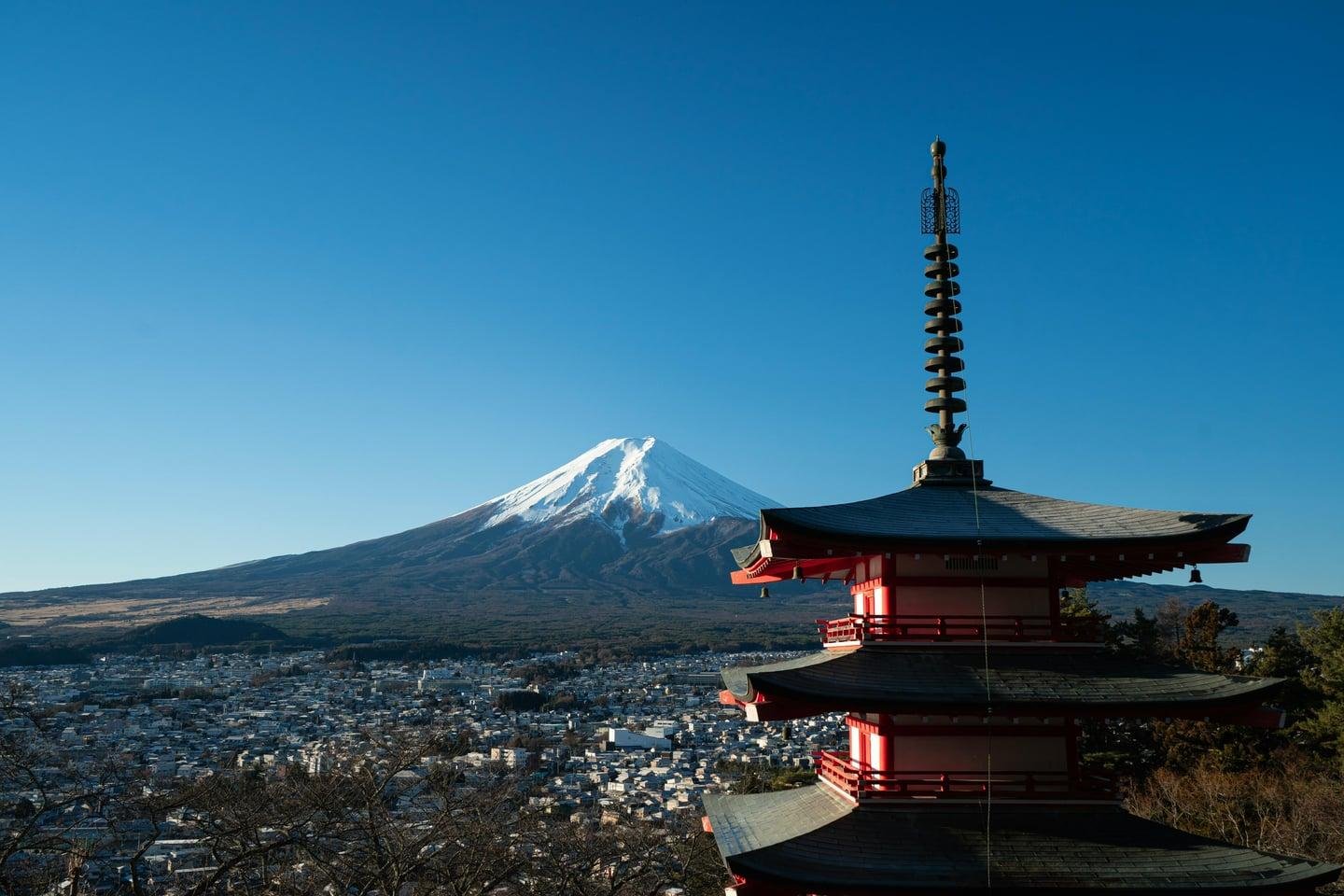
Japan is a destination where ancient traditions and modern life exist side by side. In the same day, travellers can explore centuries-old temples, participate in a traditional tea ceremony, enjoy regional Japanese cuisine and then experience the energy of a modern city.
A cultural holiday in Japan offers much more than sightseeing. It provides opportunities to understand Japanese history, appreciate local customs and experience everyday life through food, architecture, festivals, crafts and hospitality.
From the historic streets of Kyoto to the temples of Nara, the shrines of Tokyo and the traditional villages of the Japanese Alps, Japan offers cultural experiences for every type of traveller.
This Japan cultural travel guide explores:
- Important temples and shrines to visit
- Japanese customs and traditions
- Traditional food and dining experiences
- Tea ceremonies and cultural activities
- Local festivals and seasonal celebrations
- Historic towns and traditional neighbourhoods
- Practical etiquette for international visitors
Understanding Japanese Culture
Japanese culture has developed through centuries of history, with influences from Shinto, Buddhism, traditional arts, regional customs and contact with other parts of Asia and the wider world.
Japanese cultural experiences often place importance on:
- Respect and consideration for others
- Cleanliness and order
- Seasonal awareness
- Hospitality, often described as omotenashi
- Appreciation of craftsmanship
- Harmony between people and their surroundings
- Careful presentation of food, gardens and architecture
Culture also varies significantly between regions. Kyoto is strongly associated with traditional arts and historic architecture, Tokyo combines old neighbourhoods with contemporary culture, while rural areas often preserve distinctive local festivals, crafts and food traditions.
The Best Temples and Shrines to Visit in Japan
Japan has thousands of Buddhist temples and Shinto shrines. Some are major religious sites, while others are quiet local places of worship. Visitors should take time to appreciate the atmosphere, architecture and surrounding gardens rather than simply treating these sites as photo stops.
1. Senso-ji Temple in Tokyo
Located in Asakusa, Senso-ji is one of Tokyo’s most famous Buddhist temples. Its large entrance gate, traditional shopping street and historic atmosphere make it a popular introduction to Japan’s religious and cultural heritage.
The approach to the temple includes Nakamise, a lively street lined with shops selling:
- Traditional souvenirs
- Japanese sweets
- Crafts
- Decorative items
- Local snacks
- Seasonal gifts
Visitors can explore the temple grounds, admire the architecture and discover the historic streets of Asakusa.
The area is particularly attractive for travellers who want to experience a more traditional side of Tokyo.
2. Meiji Jingu in Tokyo
Meiji Jingu is a major Shinto shrine surrounded by a large forested area near Harajuku. Its peaceful setting offers a strong contrast to the busy streets of central Tokyo.
A visit may include:
- Walking through the forested approach
- Observing traditional shrine architecture
- Learning about Shinto customs
- Seeing visitors make offerings
- Exploring the surrounding Harajuku area
The shrine is an important place for understanding the continuing role of Shinto in Japanese life.
3. Kiyomizu-dera in Kyoto
Kiyomizu-dera is one of Kyoto’s most celebrated temples. It is known for its historic wooden architecture, elevated views and location in the Higashiyama district.
The surrounding streets of Ninenzaka and Sannenzaka are filled with traditional buildings, tea houses, craft shops and Japanese sweet shops.
Visitors can combine a temple visit with:
- A walk through historic Kyoto streets
- A tea or matcha experience
- Shopping for traditional crafts
- Exploring nearby temples
- Photographing traditional architecture
The area can become crowded, especially during cherry blossom and autumn foliage seasons, so early visits are often more comfortable.
4. Fushimi Inari Taisha in Kyoto
Fushimi Inari Taisha is famous for its long paths lined with vermilion torii gates. The shrine is dedicated to Inari, a deity associated with rice, prosperity and business.
The site extends into a wooded mountain area. Visitors can choose between a short walk through the main torii gates or a longer hike along the hillside trails.
When visiting:
- Wear comfortable shoes
- Allow extra time for walking
- Follow signs and shrine guidance
- Avoid blocking pathways for photographs
- Respect worshippers and ceremonial areas
Fushimi Inari is especially atmospheric early in the morning or later in the afternoon.
5. Todai-ji Temple in Nara
Nara is one of Japan’s most important historic cities and was an early capital of the country. Todai-ji is famous for its enormous wooden temple hall and large bronze Buddha statue.
A visit to Nara can also include:
- Nara Park
- Kasuga Taisha
- Traditional streets
- Historic gardens
- Local Japanese sweets
- Cultural museums
Nara is an excellent addition to a Japan cultural itinerary because many of its attractions are close together and can be explored on foot.
6. Kinkaku-ji in Kyoto
Kinkaku-ji, also known as the Golden Pavilion, is one of Kyoto’s most recognisable landmarks. The temple’s golden exterior is reflected in the surrounding pond and gardens.
The site demonstrates the relationship between architecture, landscape and visual harmony in traditional Japanese design.
Visitors should follow designated paths and allow time to appreciate the gardens rather than focusing only on the main building.
Japanese Traditions and Cultural Experiences
One of the best ways to understand Japan is to participate in a cultural activity. These experiences provide a more personal connection to the country’s history and everyday customs.
Experience a Traditional Tea Ceremony
The Japanese tea ceremony, often associated with matcha, is a carefully structured cultural practice involving tea preparation, utensils, movement and hospitality.
A tea ceremony may introduce visitors to:
- The preparation of matcha
- Traditional tea utensils
- Seasonal decoration
- Japanese sweets
- Tea-room etiquette
- The importance of calm and attention
The experience is not simply about drinking tea. It is also about appreciating the setting, the host’s preparation and the moment being shared.
Tea ceremonies are available in several cities, especially Kyoto, Tokyo and Kanazawa.
Try a Kimono or Yukata Experience
Wearing a kimono or summer yukata can be a memorable way to engage with Japanese clothing traditions.
Visitors may have the opportunity to:
- Select a colour and pattern
- Learn about traditional garments
- Receive assistance with dressing
- Walk through a historic district
- Take photographs in a cultural setting
When participating in a dressing experience, choose a reputable provider and follow guidance on how to wear and handle the clothing respectfully.
Learn Japanese Calligraphy
Japanese calligraphy, known as shodo, combines writing, brush technique and visual balance. A beginner’s session may introduce participants to:
- Brush handling
- Ink preparation
- Basic Japanese characters
- Stroke order
- Traditional paper
- The relationship between movement and composition
Calligraphy workshops are suitable for travellers seeking a quieter and more hands-on cultural activity.
Join a Japanese Cooking Class
Food is an important part of Japanese cultural identity. A cooking class can help visitors understand the ingredients, techniques and presentation behind popular dishes.
Depending on the location and class, participants may learn to prepare:
- Sushi
- Ramen
- Tempura
- Miso soup
- Japanese curry
- Gyoza
- Bento-style meals
- Wagashi, or traditional sweets
A cooking class also provides an opportunity to learn about Japanese dining customs and regional food traditions.
Explore Traditional Japanese Crafts
Japan has a strong culture of craftsmanship, with regional traditions in ceramics, textiles, lacquerware, woodworking, paper-making and metalwork.
Craft experiences may include:
- Pottery painting
- Ceramic making
- Gold-leaf decoration
- Traditional paper-making
- Textile dyeing
- Fan-making
- Woodblock printing
- Japanese knife craftsmanship
Kanazawa, Kyoto, Takayama, Mashiko and several other destinations are known for traditional crafts, although each region has its own specialties.
Japanese Food Culture: What Travellers Should Try
Japanese cuisine is diverse and varies by region. Food is often shaped by seasonality, local ingredients, presentation and careful preparation.
A cultural trip to Japan should include more than international versions of sushi. Travellers can discover a wide range of dishes and dining styles.
Sushi and Sashimi
Sushi and sashimi are among Japan’s best-known foods. Sushi combines seasoned rice with ingredients such as seafood, vegetables or egg, while sashimi generally refers to carefully prepared raw seafood served without sushi rice.
Visitors can try sushi in:
- Traditional restaurants
- Casual conveyor-belt restaurants
- Local markets
- Department-store food halls
- Speciality dining establishments
Ramen
Ramen is a popular noodle dish with regional variations in broth, toppings and preparation.
Different areas of Japan are associated with distinctive ramen styles. Travellers may encounter broths based on soy sauce, miso, salt or pork, along with different noodle textures and toppings.
Ramen is usually served as a casual meal and is widely available in cities and smaller towns.
Tempura
Tempura consists of ingredients such as seafood or vegetables coated in a light batter and fried. It may be served with dipping sauce, rice or noodles.
The dish highlights the Japanese emphasis on texture, freshness and careful preparation.
Kaiseki-Inspired Dining
Kaiseki is a traditional multi-course dining style associated with seasonal ingredients, presentation and balance.
A kaiseki-inspired meal may feature:
- Small seasonal dishes
- Carefully prepared vegetables
- Fish or seafood
- Rice and soup
- Pickles
- Seasonal desserts
The experience can be formal and may require advance reservations. Travellers should check menus and prices beforehand, particularly when dietary restrictions apply.
Matcha and Japanese Sweets
Matcha is powdered green tea often associated with Kyoto and other tea-producing regions. It is used in drinks, desserts and traditional tea experiences.
Visitors may try:
- Matcha tea
- Matcha ice cream
- Japanese cakes
- Mochi
- Dorayaki
- Seasonal wagashi
- Green tea desserts
Traditional sweets are often designed to complement tea and may reflect the season through their shape, colour or ingredients.
Historic Towns and Neighbourhoods to Explore
Japan’s cultural heritage is not limited to temples and museums. Historic neighbourhoods, preserved streets and traditional houses offer insight into local life.
Kyoto’s Gion and Higashiyama
Kyoto’s Gion and Higashiyama districts are known for traditional architecture, narrow lanes, tea houses and historic streets.
Travellers can enjoy:
- Traditional buildings
- Local craft shops
- Tea houses
- Historic temples
- Japanese sweets
- Evening walks
Visitors should be considerate in residential areas. Avoid entering private spaces, blocking narrow streets or photographing people without permission.
Kanazawa
Kanazawa is known for its historic districts, gardens, crafts and traditional cultural experiences.
Highlights may include:
- Kenrokuen Garden
- Higashi Chaya district
- Traditional craft shops
- Samurai-era neighbourhoods
- Local seafood
- Gold-leaf products
Kanazawa is a good choice for travellers who want to experience traditional Japan outside the most visited routes.
Takayama
Takayama, in the Japanese Alps, is known for its preserved old town, mountain setting and local festivals.
Visitors may explore:
- Traditional wooden buildings
- Morning markets
- Local food shops
- Historic merchant houses
- Regional crafts
- Nearby rural scenery
Takayama can be combined with other destinations in the Japanese Alps for a broader cultural and scenic journey.
Shirakawa-go
Shirakawa-go is known for traditional farmhouses with steeply pitched roofs designed to handle heavy snowfall. The village landscape offers a different perspective on rural Japanese architecture and community life.
The destination is particularly scenic in winter, but weather can affect transport and walking conditions.
Nara
Nara’s temples, shrines, parks and historic streets make it an accessible cultural destination. Its history as an early capital gives the city an important place in Japan’s heritage.
A day trip from Kyoto or Osaka can include major temples, traditional streets and local food experiences.
Japanese Festivals and Seasonal Traditions
Festivals, known as matsuri, are an important part of local culture. They may be connected to temples, shrines, agricultural cycles, historical events or seasonal celebrations.
Festival schedules vary by destination and year, so travellers should confirm dates before planning.
Cherry Blossom Season
Cherry blossoms are closely associated with spring in Japan. People often gather in parks and gardens to appreciate the flowers, enjoy food and spend time with friends or family.
This tradition is commonly known as hanami, or flower viewing.
Popular places for seasonal scenery include:
- Tokyo parks
- Kyoto temples and gardens
- Osaka parks
- Nara
- Lake Kawaguchiko
- Regional gardens and riversides
Cherry blossom timing varies by location and weather conditions.
Summer Festivals and Fireworks
Summer is associated with lively festivals, fireworks, food stalls and traditional performances.
Visitors may encounter:
- Lantern displays
- Festival parades
- Traditional dancing
- Street food
- Fireworks
- Yukata clothing
- Shrine celebrations
Summer festivals can be crowded, so arrive early and follow local instructions.
Autumn Foliage
Autumn brings colourful leaves to forests, temples, gardens and mountain areas. Many travellers visit Kyoto, Nikko, the Japanese Alps and other scenic destinations during this season.
Autumn foliage timing varies across Japan, with mountain and northern areas generally changing earlier than warmer southern locations.
Winter Illuminations and New Year Customs
Winter offers opportunities to see illuminated streets, seasonal decorations and snowy landscapes. New Year is one of Japan’s most important holiday periods.
Some people visit shrines and temples for the first visit of the year, a tradition known as hatsumode.
Travellers should remember that transport, accommodation and attraction opening hours may be affected during major holidays.
Japanese Cultural Etiquette for Visitors
Understanding a few basic customs can help international travellers feel more comfortable and show respect for local communities.
Remove Shoes When Required
Shoes may need to be removed in:
- Traditional accommodation
- Some restaurants
- Temples
- Private homes
- Certain cultural venues
- Some changing areas
Look for signs or follow the example of staff and local visitors.
Keep Quiet on Public Transport
Japanese trains and buses are generally orderly environments. Keep conversations at a moderate volume and avoid phone calls where prohibited.
Follow Queues
Queuing is common at stations, restaurants, attractions and shops. Stand in designated areas and allow passengers to exit before boarding.
Be Respectful at Temples and Shrines
Religious sites may have specific rules concerning photography, entry and behaviour.
Visitors should:
- Follow posted instructions
- Avoid disturbing worshippers
- Keep voices low
- Stay within permitted areas
- Ask before photographing ceremonies
- Avoid touching sacred objects
Avoid Eating While Walking in Certain Areas
Eating while walking is not universally prohibited, but some locations encourage visitors to eat in designated areas to avoid congestion and litter.
Follow local signs and instructions, especially around busy markets and cultural attractions.
Handle Chopsticks Carefully
Avoid pointing with chopsticks, waving them around or leaving them upright in a bowl of rice. If you are unsure, observe local dining etiquette or ask politely.
Respect Personal Space
Avoid photographing strangers without permission, especially in traditional neighbourhoods, restaurants and private settings.
Planning a Cultural Holiday in Japan
A cultural itinerary can be designed around one region or several destinations.
Tokyo and Kyoto
This is a popular combination for first-time visitors. Tokyo offers a mix of modern and historic experiences, while Kyoto provides temples, gardens, traditional streets and cultural activities.
Kyoto and Nara
This route is ideal for travellers interested in temples, Buddhist heritage, historic architecture and traditional Japanese culture.
Kanazawa and Takayama
These destinations are suitable for travellers interested in crafts, preserved neighbourhoods, rural landscapes and regional traditions.
Hiroshima and Miyajima
Hiroshima offers important historical and cultural experiences, while Miyajima is known for its scenic setting and shrine heritage.
Osaka and Kyoto
This combination provides a balance of food, entertainment, historic attractions and traditional culture. Osaka is known for its lively food scene, while Kyoto offers a more traditional atmosphere.
Tips for a More Meaningful Cultural Experience
To make the most of a cultural holiday in Japan:
- Spend time in smaller neighbourhoods rather than only visiting major landmarks.
- Take part in at least one hands-on cultural activity.
- Try regional food instead of eating only familiar international dishes.
- Visit museums or heritage centres to understand local history.
- Learn a few simple Japanese phrases.
- Travel by local train or bus when practical.
- Support local craft shops and independent businesses.
- Visit popular attractions early to avoid the busiest periods.
- Allow time for quiet observation.
- Respect local customs and community spaces.
A slower itinerary often creates more meaningful experiences than trying to visit too many attractions in a short time.
Frequently Asked Questions
What are the best cultural destinations in Japan?
Kyoto, Nara, Tokyo, Kanazawa, Takayama, Hiroshima and Miyajima are excellent choices for travellers interested in temples, history, traditional architecture, food and local experiences.
How can I experience traditional Japanese culture?
You can participate in a tea ceremony, wear a kimono or yukata, join a cooking class, try calligraphy, visit temples and shrines, explore historic neighbourhoods or attend a local festival.
What is the difference between a temple and a shrine in Japan?
Temples are generally associated with Buddhism, while shrines are associated with Shinto. Their architecture, rituals and cultural roles may differ, although both are important parts of Japan’s heritage.
Is Kyoto better than Tokyo for cultural travel?
Kyoto is particularly known for traditional architecture, temples, gardens and historic districts. Tokyo also offers important cultural experiences, including shrines, museums, historic neighbourhoods, food culture and modern Japanese arts.
What Japanese foods should I try on a cultural holiday?
Consider trying sushi, ramen, tempura, soba, regional seafood, Japanese sweets, matcha and traditional set meals. Food choices vary considerably by region.
When is the best time for a cultural trip to Japan?
Spring and autumn are popular for seasonal scenery and comfortable sightseeing. Summer offers festivals and fireworks, while winter provides opportunities for snowy landscapes, hot springs and seasonal celebrations.
Do I need to speak Japanese to travel around Japan?
You can travel without speaking Japanese, especially in major tourist destinations. However, learning basic phrases such as greetings, thank you and asking for assistance can make interactions easier and more respectful.
How should I behave at temples and shrines?
Dress respectfully, follow posted instructions, keep noise low, avoid disturbing worshippers and ask before taking photographs during ceremonies or in restricted areas.
Experience Japan with GlobalLink Suisse
Japan offers a rich combination of history, spirituality, food, craftsmanship and local traditions. Whether you are exploring Kyoto’s temples, joining a tea ceremony, discovering regional cuisine or walking through a historic village, cultural travel provides a deeper understanding of the country.
Contact GlobalLink Suisse to plan a personalised Japan cultural journey that combines iconic destinations with meaningful local experiences, traditional activities and carefully organised travel arrangements.