
Japan is a fascinating destination where ancient traditions, modern cities, beautiful landscapes and exceptional cuisine come together. For first-time travellers, the country offers an exciting mix of experiences, from exploring Tokyo’s energetic neighbourhoods and Kyoto’s historic temples to enjoying scenic mountain views, traditional food and peaceful gardens.
Japan can initially seem overwhelming because of its size, language, transport network and cultural differences. However, with a little planning, it is a rewarding and accessible destination for couples, families, solo travellers and groups.
This Japan travel guide introduces some of the best places to visit, explains what makes each destination special and provides practical advice for planning your first Japanese holiday.
Why Visit Japan?
Japan offers a remarkable variety of travel experiences within one country. Visitors can explore modern cities, ancient temples, mountain villages, tropical islands and world-famous food destinations.
Reasons to visit Japan include:
- A unique blend of traditional and contemporary culture
- Historic temples, shrines, castles and gardens
- Modern cities with excellent shopping and entertainment
- Beautiful mountains, lakes and coastlines
- Efficient rail and public transport connections
- Distinctive regional cuisines
- Seasonal experiences, including cherry blossoms and autumn colours
- Traditional hot springs and Japanese inns
- Family-friendly attractions and theme parks
- Opportunities to explore both famous cities and quieter regions
Japan is also a destination where the journey itself can be memorable. Travelling by high-speed train, staying in a traditional ryokan or enjoying a meal in a small local restaurant can become an important part of the holiday.
Best Places to Visit in Japan
Japan has many destinations to explore, but first-time visitors often begin with the country’s major cities and iconic attractions. The following destinations provide a strong introduction to Japan’s culture, scenery and modern lifestyle.
1. Tokyo: Japan’s Dynamic Capital
Tokyo is usually the first stop for many international visitors. It is a vast and energetic city where futuristic architecture, traditional neighbourhoods, shopping districts, museums and restaurants exist side by side.
The city can feel overwhelming at first, but its different districts each offer a distinct atmosphere.
Top Experiences in Tokyo
First-time visitors may want to explore:
- Shibuya: Known for its busy crossing, shopping, cafés and city atmosphere
- Shinjuku: A lively district with restaurants, entertainment and skyline views
- Asakusa: Home to Senso-ji Temple and traditional streets
- Ueno: A popular area for museums, parks and cultural attractions
- Harajuku: Known for youth culture, fashion and nearby green spaces
- Ginza: A refined shopping and dining district
- Tokyo Station and Marunouchi: An area of architecture, shopping and restaurants
- Odaiba: A modern waterfront district with entertainment and city views
Tokyo also offers many museums, gardens, observation decks, department stores and food experiences.
How Many Days Should You Spend in Tokyo?
First-time travellers should consider spending at least three or four days in Tokyo. A longer stay allows time to explore different neighbourhoods without rushing.
Possible day trips from Tokyo include:
- Mount Fuji and the Fuji Five Lakes region
- Hakone
- Kamakura
- Nikko
- Yokohama
2. Kyoto: Japan’s Traditional Heart
Kyoto is one of the most important cultural destinations in Japan. It was the country’s imperial capital for many centuries and remains known for its temples, shrines, gardens, traditional streets and historic districts.
Kyoto is an excellent place to experience a more traditional side of Japan.
Top Experiences in Kyoto
Important places and experiences include:
- Fushimi Inari Taisha: Famous for its long paths of red torii gates
- Kiyomizu-dera: A historic temple with impressive views over Kyoto
- Gion: A traditional district with narrow streets and historic architecture
- Higashiyama: A scenic area filled with temples, shops and traditional buildings
- Arashiyama: Known for its bamboo grove, river scenery and temples
- Kinkaku-ji: The celebrated Golden Pavilion
- Nijo Castle: A historic castle associated with Japan’s shogun-era history
- Philosopher’s Path: A pleasant walking route near temples and seasonal scenery
Kyoto is also a good destination for learning about Japanese tea culture, traditional crafts, gardens and seasonal celebrations.
How Many Days Should You Spend in Kyoto?
Three days is a useful starting point for first-time visitors. Four or more days allow additional time for quieter temples, cultural activities and nearby excursions.
Kyoto can become busy at popular attractions, so visiting early in the day may provide a more comfortable experience.
3. Osaka: Food, Entertainment and City Life
Osaka is known for its friendly atmosphere, lively streets and strong food culture. It offers a different experience from Tokyo and Kyoto, with a focus on entertainment, shopping and regional cuisine.
The city is also a convenient base for exploring nearby attractions.
Top Experiences in Osaka
Visitors may enjoy:
- Dotonbori: A lively entertainment and dining district
- Shinsaibashi: A popular shopping area
- Osaka Castle: A major historic landmark surrounded by parkland
- Kuromon Market: A food market with a variety of local specialities
- Umeda: A modern district with shopping, restaurants and observation points
- Shinsekai: A distinctive neighbourhood with a retro atmosphere
- Universal Studios Japan: A major theme park attraction
- Sumiyoshi Taisha: One of Osaka’s important Shinto shrines
Osaka is particularly appealing to travellers who enjoy street food and regional dishes. Popular foods associated with the city include takoyaki and okonomiyaki.
How Many Days Should You Spend in Osaka?
Two or three days may be sufficient for a first visit. Travellers interested in theme parks, shopping or day trips may prefer a longer stay.
Osaka is also a useful base for visiting Kyoto, Nara, Kobe and Himeji.
4. Mount Fuji: Japan’s Iconic Mountain
Mount Fuji is one of Japan’s most recognisable landmarks. Its symmetrical shape, cultural importance and surrounding scenery make it a popular highlight for first-time travellers.
The mountain can be viewed from several areas, although visibility depends on weather and seasonal conditions.
Best Places to Experience Mount Fuji
Travellers may consider:
- Fuji Five Lakes: A scenic area with lakeside views of the mountain
- Hakone: Known for hot springs, mountain scenery and possible Fuji views
- Kawaguchiko: A popular base for sightseeing around the mountain
- Chureito Pagoda: A famous viewpoint in the wider Fuji area
- Fujinomiya: A city located near the southern side of Mount Fuji
Mount Fuji is also a destination for outdoor activities. Depending on the season and official conditions, visitors may enjoy hiking, sightseeing, photography and lakeside excursions.
Tips for Visiting Mount Fuji
- Check the weather before planning a viewing excursion.
- Allow flexibility because clouds can obscure the mountain.
- Confirm seasonal access and hiking conditions.
- Consider staying overnight in the Fuji area rather than making a rushed day trip.
- Combine the visit with a hot spring or countryside experience.
5. Nara: Temples, Parks and Cultural Heritage
Nara was one of Japan’s early permanent capitals and is home to important historic sites, temples and cultural attractions.
The city is especially known for Nara Park, where visitors can encounter freely roaming deer. It is also home to significant Buddhist temples and traditional landmarks.
Top Experiences in Nara
Visitors may explore:
- Todai-ji Temple: Famous for its enormous Buddha statue
- Nara Park: A large park associated with the city’s deer
- Kasuga Taisha: A significant Shinto shrine
- Kofuku-ji: A historic temple complex
- Naramachi: A traditional neighbourhood with historic buildings and small shops
- Mount Wakakusa: A scenic area with views over Nara
Nara is often visited as a day trip from Kyoto or Osaka, but staying overnight can provide more time to enjoy the city’s quieter atmosphere.
6. Hiroshima: History, Peace and Island Scenery
Hiroshima is an important destination for understanding Japan’s modern history. It is known for its Peace Memorial sites and its connection to the history of the atomic bombing in 1945.
The city also offers museums, gardens, local food and access to the scenic island of Miyajima.
Top Experiences in Hiroshima
Important places to visit include:
- Hiroshima Peace Memorial Park
- Hiroshima Peace Memorial Museum
- Atomic Bomb Dome
- Hiroshima Castle
- Shukkeien Garden
- Miyajima Island
- Itsukushima Shrine
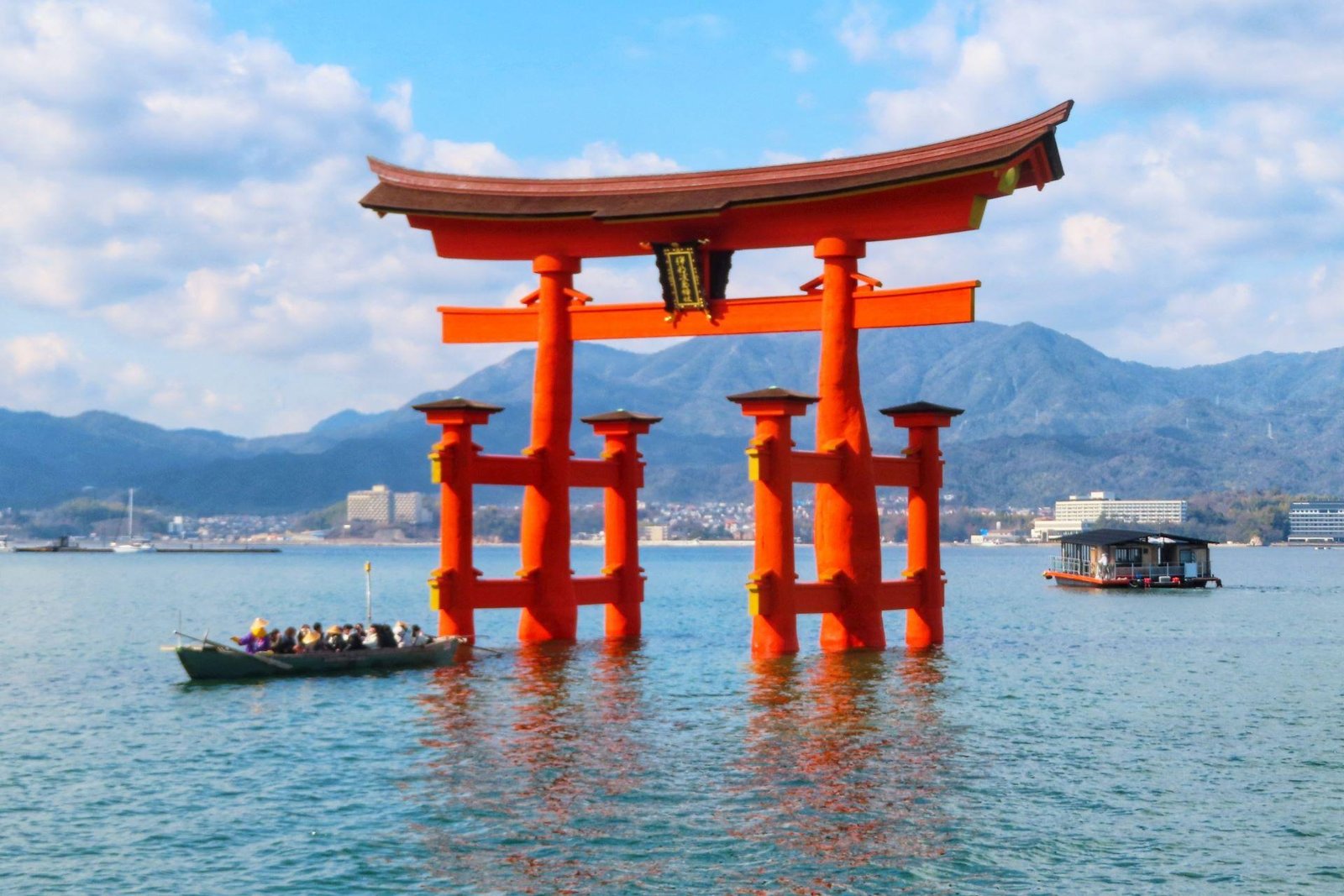
Miyajima is known for its beautiful coastal setting, traditional architecture and the large torii gate associated with Itsukushima Shrine.
Hiroshima offers a meaningful combination of history, culture and natural scenery.
7. Hakone: Hot Springs and Mountain Landscapes
Hakone is a popular destination for travellers seeking relaxation, nature and views of Mount Fuji. It is located within the wider Fuji-Hakone-Izu area and is accessible from Tokyo.
The area is known for its hot springs, traditional accommodation, museums, mountain scenery and lake experiences.
Top Experiences in Hakone
Visitors may enjoy:
- Staying in a traditional ryokan
- Experiencing an onsen
- Exploring Lake Ashi
- Taking a sightseeing boat
- Visiting the Hakone Open-Air Museum
- Travelling by cable car or ropeway, where operating
- Exploring local gardens
- Enjoying regional food and hospitality
Hakone is a good choice for couples, families and travellers who want a slower pace after exploring Tokyo.
8. Kanazawa: Traditional Culture and Elegant Gardens
Kanazawa offers a rich cultural experience without the scale of Tokyo or Kyoto. It is known for traditional neighbourhoods, historic districts, crafts, gardens and regional cuisine.
The city is a strong choice for travellers who want to explore beyond Japan’s most common tourist route.
Top Experiences in Kanazawa
Visitors may explore:
- Kenrokuen Garden: One of Japan’s celebrated landscape gardens
- Kanazawa Castle
- Higashi Chaya District: A historic teahouse area
- Omicho Market: A popular food market
- Nagamachi: A former samurai district
- 21st Century Museum of Contemporary Art
- Traditional craft workshops
Kanazawa can be included in a wider itinerary linking Tokyo and Kyoto, particularly for travellers interested in history, gardens and crafts.
9. Takayama and the Japanese Alps
Takayama is a charming mountain town known for its preserved historic streets, traditional architecture and access to the Japanese Alps.
The town provides a different perspective on Japan, with a more relaxed atmosphere and opportunities to explore regional traditions.
Top Experiences in Takayama
Visitors may enjoy:
- Walking through the historic old town
- Visiting morning markets
- Exploring local museums
- Sampling regional food
- Visiting nearby mountain villages
- Exploring traditional architecture
- Combining the trip with Shirakawa-go
Takayama is particularly appealing during spring and autumn, although each season offers a different experience.
10. Hokkaido: Nature, Food and Outdoor Adventures
Hokkaido is Japan’s northernmost major island and is known for its wide-open landscapes, national parks, food culture, flower fields and winter activities.
It may require additional travel time compared with the classic Tokyo–Kyoto–Osaka route, but it is rewarding for travellers who enjoy nature.
Top Places in Hokkaido
Visitors may consider:
- Sapporo: The island’s main city and a centre for food and festivals
- Otaru: A charming port town with a canal
- Furano: Known for seasonal flower landscapes
- Biei: Famous for scenic countryside
- Niseko: A popular winter sports destination
- Hakodate: Known for history, seafood and views
- Daisetsuzan National Park: A major natural area
- Noboribetsu: Known for hot springs and volcanic landscapes
Hokkaido is suitable for travellers who want to combine city experiences with outdoor exploration.
11. Okinawa: Beaches and Island Culture
Okinawa offers a different side of Japan, with subtropical scenery, beaches, coral reefs and a distinct regional culture.
It is a good option for travellers who want to add relaxation or coastal experiences to a Japan itinerary.
Possible experiences include:
- Beach visits
- Snorkelling and marine activities
- Exploring Okinawan history
- Visiting Shuri-related cultural sites
- Discovering local cuisine
- Exploring nearby islands
- Enjoying resort accommodation
Okinawa is geographically distant from Tokyo and Kyoto, so it is best included in a longer itinerary or treated as a separate holiday extension.
Suggested Japan Itineraries for First-Time Travellers
The ideal itinerary depends on the length of your trip and the experiences you want to enjoy.
Seven-Day Japan Itinerary
A seven-day trip could focus on Japan’s classic highlights.
Days 1–3: Tokyo
Explore Tokyo’s major neighbourhoods, cultural attractions, shopping districts and food scene.
Days 4–5: Kyoto
Travel to Kyoto and visit temples, historic districts and traditional streets.
Days 6–7: Osaka
Continue to Osaka for food, entertainment and shopping. Depending on your departure arrangements, you may also visit Nara.
This itinerary provides a useful introduction but involves a relatively fast pace.
Ten-Day Japan Itinerary
A ten-day itinerary allows more time for cultural experiences and day trips.
Possible route:
- Tokyo – three days
- Hakone or Mount Fuji region – one or two days
- Kyoto – three days
- Osaka – two days
- Nara or another nearby excursion – one day
Fourteen-Day Japan Itinerary
A two-week holiday offers greater flexibility and can include destinations beyond the classic route.
Possible route:
- Tokyo
- Mount Fuji or Hakone
- Kyoto
- Nara
- Osaka
- Hiroshima and Miyajima
- Kanazawa or Takayama
- Additional time in the Japanese Alps or another selected region
Travellers should avoid including too many destinations simply to cover more ground. A balanced itinerary is usually more enjoyable than a rushed one.
Best Time to Visit Japan
Japan is a year-round destination, but the experience varies considerably by season.
Spring: Cherry Blossoms and Mild Weather
Spring is one of Japan’s most popular travel seasons. Cherry blossoms create beautiful scenery in cities, parks and countryside areas.
Spring is suitable for:
- City sightseeing
- Garden visits
- Cultural attractions
- Photography
- Scenic rail journeys
- Outdoor walks
Cherry blossom timing varies by region and year, so travellers should check local forecasts when planning.
Summer: Festivals and Outdoor Activities
Summer brings warm weather, festivals and opportunities to explore mountain and coastal destinations.
Travellers may enjoy:
- Local festivals
- Hiking
- Coastal trips
- Outdoor attractions
- Mountain destinations
- Island holidays
Some areas can be hot and humid, while mountain regions may offer cooler conditions.
Autumn: Colourful Landscapes
Autumn is popular for its red, orange and golden foliage. Parks, temples, gardens and mountain regions can be particularly beautiful during this season.
Autumn is suitable for:
- Temple visits
- Scenic walks
- Photography
- Mountain excursions
- Cultural sightseeing
- Food-focused travel
The timing of autumn colours varies by location and altitude.
Winter: Snow, Skiing and Hot Springs
Winter is ideal for travellers interested in snow activities, winter scenery and traditional hot spring experiences.
Popular winter experiences include:
- Skiing and snowboarding
- Visiting snow-covered villages
- Enjoying hot springs
- Exploring winter festivals
- Eating seasonal dishes
- Visiting Hokkaido or the Japanese Alps
Winter conditions vary across Japan, so destinations should be selected according to the activities you want to enjoy.
Practical Travel Tips for First-Time Visitors
Plan Your Main Route Before Arrival
Japan is easier to navigate when you have a basic plan. Decide which regions you want to visit and avoid adding too many destinations to a short trip.
Learn a Few Useful Japanese Expressions
English is often understood in major tourist areas, but learning a few Japanese phrases can be helpful and respectful.
Useful expressions include:
- Arigatou gozaimasu: Thank you
- Sumimasen: Excuse me or sorry
- Ohayou gozaimasu: Good morning
- Konnichiwa: Hello
- Onegaishimasu: Please
Understand Public Transport
Japan has an extensive transport network, including trains, subways, buses and high-speed rail.
Before travelling, consider:
- How to reach your accommodation from the airport
- Whether an IC travel card is useful for local transport
- Whether a regional or national rail pass suits your itinerary
- How to reserve seats on long-distance trains
- How to manage luggage during transfers
Transport options and ticket value depend on the exact route, so compare them before purchasing.
Travel with Comfortable Shoes
Many Japanese cities and attractions involve considerable walking. Comfortable shoes are especially useful when visiting temples, gardens, stations and historic neighbourhoods.
Respect Local Customs
Travellers should be aware of common etiquette, including:
- Removing shoes where required
- Speaking quietly on public transport
- Following rules at temples and shrines
- Waiting patiently in queues
- Avoiding littering
- Asking before photographing people
- Following bathing rules at hot springs
Carry Some Cash
Cards are widely accepted in many parts of Japan, but smaller businesses, local restaurants and rural areas may still prefer cash. It is useful to have a combination of payment methods.
Reserve Popular Experiences
Some restaurants, attractions, trains, theme parks and accommodation options can become busy during peak periods. Book important experiences in advance where necessary.
Allow Time for Transfers
Large railway stations can be confusing, particularly when changing lines or travelling with luggage. Allow extra time for connections.
Check Entry and Visa Requirements
Entry requirements depend on your nationality, passport and travel purpose. Confirm the latest requirements with the relevant Japanese embassy or official government sources before departure.
Frequently Asked Questions
What are the best places to visit in Japan for first-time travellers?
Tokyo, Kyoto and Osaka are excellent starting points. Mount Fuji, Hakone, Nara and Hiroshima can also add scenery, history and cultural variety to a first trip.
How many days do you need for a first trip to Japan?
Seven to ten days can provide an introduction to the major destinations. Fourteen days allows a more relaxed itinerary and additional destinations.
Is Japan suitable for families?
Yes. Japan offers museums, theme parks, gardens, cultural attractions, scenic train journeys and a variety of family-friendly experiences. The itinerary should allow regular breaks and manageable travel days.
What is the best time to visit Japan?
Spring and autumn are popular for pleasant sightseeing conditions and seasonal scenery. Summer is suitable for festivals and outdoor activities, while winter is ideal for snow and hot spring experiences.
Is Japan expensive to visit?
Costs vary depending on accommodation, transport, dining and activities. Travellers can choose from budget, mid-range and luxury options, but major cities and popular attractions may be more expensive.
Do I need to speak Japanese to travel around Japan?
No. Many major tourist areas have English signage and some English-language assistance. However, learning basic Japanese phrases can make communication easier and show cultural respect.
Should I visit Tokyo, Kyoto and Osaka on my first trip?
For many travellers, this is a practical introduction to Japan. The route combines modern city life, traditional culture, food, shopping and convenient transport connections.
Is Mount Fuji always visible?
No. Visibility depends on weather, cloud cover and seasonal conditions. It is useful to keep your schedule flexible when planning a Mount Fuji viewing trip.
Can I travel around Japan by train?
Yes. Trains are an important way to travel between many Japanese cities and regions. High-speed trains connect major destinations, while local trains and buses serve smaller areas.
Plan Your Japan Journey with GlobalLink Suisse
Japan offers something for every type of traveller, from Tokyo’s modern energy and Kyoto’s historic beauty to Mount Fuji’s scenic landscapes, Osaka’s food culture and Hiroshima’s important history.
The best Japan holiday combines carefully selected destinations with enough time to enjoy each experience. Whether you are planning a seven-day introduction, a two-week cultural journey or a tailor-made family adventure, GlobalLink Suisse can help you organise a comfortable and memorable itinerary.
Contact GlobalLink Suisse to begin planning your Japan travel experience, including destinations, accommodation, transport arrangements and activities suited to your interests.