Switzerland is famous for its dramatic Alpine scenery, beautiful lakes, charming villages, historic cities and highly efficient public transport. From the mountain landscapes of Interlaken and Zermatt to the cultural attractions of Zurich, Geneva and Lucerne, the country offers a wide range of experiences for first-time visitors.
However, planning a holiday in Switzerland requires more than choosing a few scenic destinations. Travellers should understand the country’s seasons, transport system, currency, languages, entry requirements and general travel costs before arriving.
This Switzerland travel guide explains what to know before your first visit and provides practical tips for planning a comfortable and memorable Swiss holiday.
Why Visit Switzerland?
Switzerland combines natural beauty, culture, outdoor activities and modern infrastructure in a relatively compact country. Travellers can enjoy mountain excursions, lake cruises, city sightseeing, scenic train journeys and cultural experiences within the same trip.
Some of the main reasons to visit Switzerland include:
- Spectacular views of the Swiss Alps
- Scenic lakes and mountain villages
- Historic cities and well-preserved old towns
- Reliable trains, buses, boats and mountain transport
- Hiking, skiing and other outdoor activities
- Swiss chocolate, cheese and regional cuisine
- Museums, galleries and cultural attractions
- Luxury hotels, wellness experiences and scenic resorts
- Easy connections to neighbouring European countries
Switzerland is suitable for different types of travellers, including couples, families, solo travellers, seniors, adventure seekers and visitors looking for a luxury holiday.
What Is Switzerland Like?
Switzerland is a landlocked country in Central Europe, bordered by France, Germany, Austria, Liechtenstein and Italy. It has a varied landscape that includes the Swiss Plateau, the Jura Mountains, the Alps and numerous lakes.
The country has four national languages:
- German
- French
- Italian
- Romansh
The language spoken depends largely on the region. German is common in cities such as Zurich and Lucerne, French is widely spoken in Geneva and Lausanne, while Italian is particularly common in the canton of Ticino.
English is often understood in hotels, tourist attractions, transport hubs and major cities, although learning a few basic local greetings can be helpful and appreciated.
Best Time to Visit Switzerland
Switzerland can be visited throughout the year, but the best time depends on the type of holiday you want.
Spring: March to May
Spring brings milder temperatures, blooming flowers and the gradual return of outdoor activities in many areas. It can be a good time for city breaks, sightseeing and enjoying quieter travel conditions.
At higher elevations, however, snow may still be present, and some mountain excursions may operate on seasonal schedules.
Spring is suitable for travellers who want to:
- Explore Swiss cities
- Enjoy scenic walks
- Visit museums and cultural attractions
- Experience blooming landscapes
- Avoid some of the busiest summer periods
Summer: June to August
Summer is one of the most popular seasons for visiting Switzerland. The days are generally longer, mountain trails become more accessible and lakeside destinations are ideal for sightseeing and outdoor activities.
Popular summer experiences include:
- Hiking in the Swiss Alps
- Visiting Interlaken and Lauterbrunnen
- Exploring Lucerne and its lake
- Taking scenic mountain rail journeys
- Enjoying lake cruises
- Visiting mountain villages
- Exploring Swiss cities and historic old towns
Summer can be busy, particularly during peak holiday periods. Accommodation and popular excursions may require advance planning.
Autumn: September to November
Autumn offers colourful landscapes, changing mountain scenery and a calmer atmosphere in many destinations. It is a good season for travellers interested in photography, culture, food and scenic journeys.
Autumn can be especially attractive for:
- Scenic train trips
- Countryside walks
- City sightseeing
- Vineyard and harvest experiences
- Photography
- Relaxed cultural holidays
Weather conditions can change quickly, particularly in mountainous areas, so travellers should pack layers and remain flexible.
Winter: December to February
Winter is ideal for snow-related activities and festive experiences. Ski resorts, mountain villages and cities offer different kinds of winter attractions.
Popular winter activities include:
- Skiing and snowboarding
- Snowshoeing
- Visiting Christmas markets
- Scenic mountain excursions
- Staying in Alpine resorts
- Enjoying winter wellness experiences
- Exploring cities during the festive season
Snow conditions vary according to altitude and location. A destination in the lowlands may have very different weather from a mountain resort.
How Many Days Do You Need in Switzerland?
The ideal length of a Switzerland holiday depends on your interests and the number of regions you want to visit.
Three to Four Days
A short trip can focus on one region or a small number of destinations. For example, travellers may combine Zurich, Lucerne and a mountain excursion.
A shorter itinerary is suitable for:
- First-time city breaks
- Weekend holidays
- Business and leisure combinations
- Travellers with limited time
Five to Seven Days
A five- to seven-day itinerary allows visitors to experience several of Switzerland’s most popular destinations without rushing excessively.
A possible route could include:
- Zurich
- Lucerne
- Mount Titlis or another mountain excursion
- Interlaken
- Lauterbrunnen
- Bern or Geneva
The exact route should be adapted to the season, transport connections and personal interests.
Eight to Ten Days
An eight- to ten-day holiday allows more time for scenic journeys, cultural experiences and different regions. Travellers may combine central Switzerland with the Bernese Oberland, Geneva, Montreux or the Italian-speaking region.
This length of stay can work well for:
- Families
- Couples
- Luxury travellers
- Scenic rail holidays
- Travellers interested in several Swiss regions
Ten Days or More
A longer holiday provides more flexibility and makes it easier to include lesser-known destinations, longer mountain excursions and rest days.
Travellers may also combine Switzerland with nearby countries such as France, Italy, Germany or Austria.
Best Places to Visit in Switzerland
Switzerland has many destinations worth exploring. Your choice should depend on whether you prefer cities, mountains, lakes, culture, shopping or outdoor activities.
Zurich
Zurich is Switzerland’s largest city and an important international transport and business centre. It offers a combination of modern urban life, historic streets, museums, shopping areas and lakeside scenery.
Things to experience in Zurich include:
- Exploring the Old Town
- Walking along the Limmat River
- Visiting Lake Zurich
- Discovering museums and galleries
- Shopping along Bahnhofstrasse
- Enjoying cafés and restaurants
- Using Zurich as a starting point for regional excursions
Zurich is often a convenient arrival point for international visitors.
Lucerne
Lucerne is known for its attractive Old Town, lake views and proximity to mountain destinations. It is one of the most popular stops on a first-time Switzerland itinerary.
Highlights include:
- Chapel Bridge
- Lucerne Old Town
- Lake Lucerne
- The Lion Monument
- Mount Pilatus
- Mount Rigi
- Mount Titlis, accessible through regional transport connections
Lucerne is particularly suitable for families, couples and travellers who want to combine culture with mountain scenery.
Interlaken
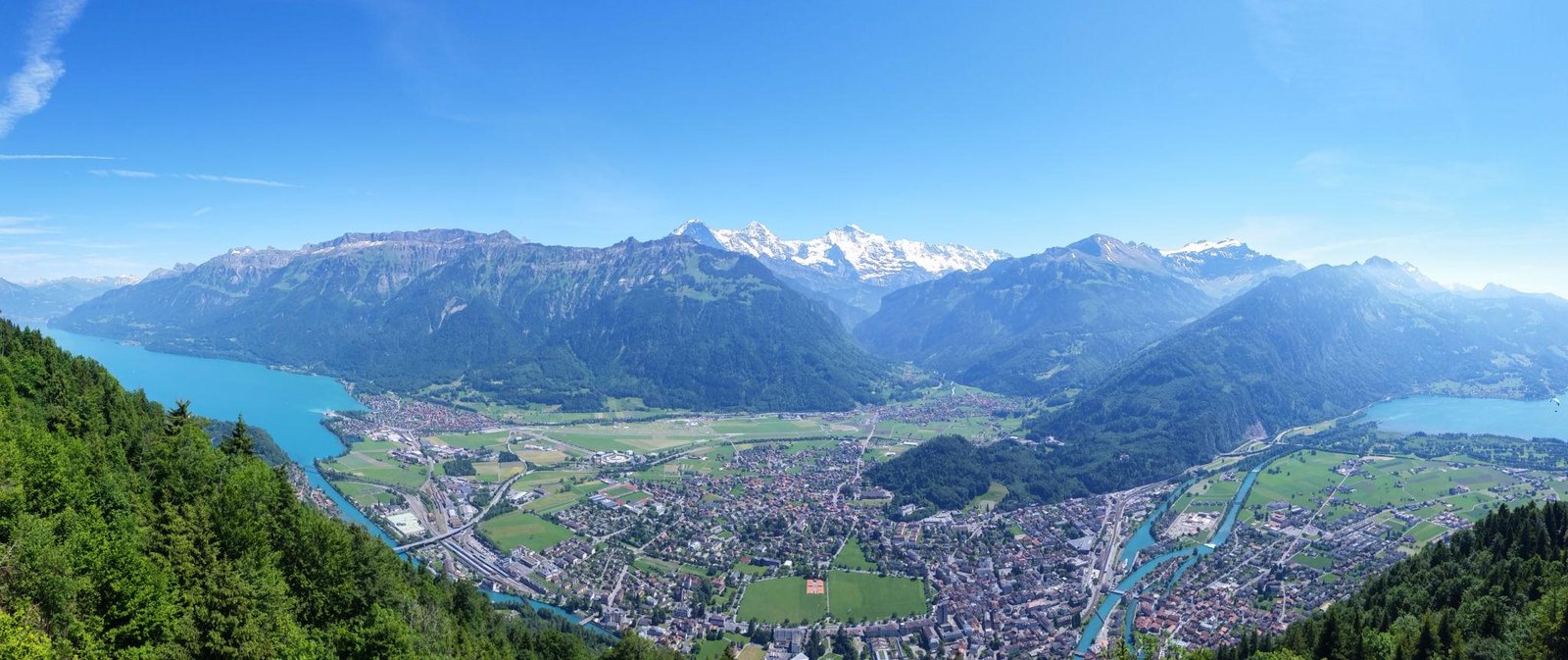
Interlaken is located between Lake Thun and Lake Brienz and is a major base for exploring the Bernese Oberland.
It is popular for:
- Mountain excursions
- Scenic rail journeys
- Hiking
- Adventure activities
- Lake experiences
- Day trips to nearby villages
Interlaken also provides access to destinations such as Lauterbrunnen, Grindelwald and Wengen.
Lauterbrunnen
Lauterbrunnen is famous for its valley scenery, waterfalls and surrounding Alpine landscapes. It is a popular destination for travellers seeking dramatic natural views.
Visitors can enjoy:
- Scenic walks
- Waterfall viewpoints
- Mountain excursions
- Village exploration
- Photography
- Connections to nearby mountain communities
The weather can change quickly in the valley and surrounding mountains, so appropriate clothing is important.
Geneva
Geneva is located beside Lake Geneva and is known for international institutions, cultural attractions and lakeside scenery.
Popular experiences include:
- Exploring the Old Town
- Visiting the Jet d’Eau area
- Walking beside Lake Geneva
- Discovering museums
- Enjoying cafés and restaurants
- Exploring nearby towns and countryside
Geneva is also a useful base for exploring the French-speaking part of Switzerland.
Bern
Bern is Switzerland’s federal city and is known for its historic Old Town, covered arcades and distinctive medieval character.
Visitors can explore:
- The UNESCO-listed Old Town
- The Zytglogge clock tower
- The Federal Palace area
- Historic streets and arcades
- Museums and cultural attractions
- Scenic viewpoints over the Aare River
Bern is a good choice for travellers interested in Swiss history, architecture and culture.
Zermatt
Zermatt is a mountain resort famous for its views of the Matterhorn. It is associated with skiing, hiking, mountain excursions and Alpine tourism.
Depending on the season, visitors may enjoy:
- Matterhorn viewpoints
- Mountain railways
- Hiking trails
- Skiing and snow activities
- Alpine restaurants
- Scenic village walks
Zermatt is a mountain destination, so travel times, weather and seasonal operating schedules should be checked before visiting.
Montreux
Montreux sits on the shores of Lake Geneva and is known for its lakeside promenade, mountain views and cultural atmosphere.
Things to explore include:
- The lakeside promenade
- Chillon Castle
- Local vineyards
- Boat trips
- Nearby mountain viewpoints
- Cultural and music-related attractions
Montreux can be combined with Lausanne, Geneva or other destinations in western Switzerland.
Getting Around Switzerland
One of the biggest advantages of travelling in Switzerland is its extensive public transport network. Trains, buses, boats and mountain transport connect many cities, towns and tourist destinations.
Travelling by Train
Trains are often the most convenient way to travel between major destinations. They provide access to cities, mountain regions and scenic routes.
Train travel is useful for routes such as:
- Zurich to Lucerne
- Lucerne to Interlaken
- Geneva to Montreux
- Zurich to Bern
- Interlaken to nearby mountain destinations
Swiss timetables are generally reliable, but travellers should still check departure platforms, connections and seasonal changes.
Swiss Travel Pass
International visitors may consider a Swiss Travel Pass, depending on their itinerary and the number of journeys planned. Depending on the selected pass and its conditions, it may provide access to parts of the Swiss public transport network and additional visitor benefits.
Before purchasing a pass, compare:
- The duration of your stay
- The destinations you plan to visit
- The number of train journeys
- Mountain excursions included or excluded
- Discounts and additional benefits
- Whether point-to-point tickets would be more economical
Not every mountain railway or excursion is necessarily covered in the same way, so always check the specific terms.
Travelling by Car
A car can be useful for reaching smaller villages and rural areas, particularly when travelling outside major rail corridors. However, driving in mountainous regions may involve narrow roads, steep routes, tunnels and changing weather conditions.
A car may be less convenient in major cities because of:
- Parking costs
- Limited parking availability
- Traffic
- Restricted access in some historic areas
- The efficiency of public transport
For many first-time visitors, a combination of trains and local transport is practical.
Currency and Paying in Switzerland
The official currency of Switzerland is the Swiss franc, abbreviated as CHF.
Although some businesses may accept euros, travellers should not assume that euros will always be accepted or that the exchange rate will be favourable.
Before travelling:
- Check the exchange rate between your currency and CHF
- Carry a small amount of Swiss franc cash
- Confirm whether your bank card works internationally
- Inform your bank about overseas travel if necessary
- Check foreign transaction and ATM fees
- Keep a backup payment method
Cards are commonly used in many hotels, restaurants, shops and transport locations, but cash may still be useful for smaller purchases, markets or rural areas.
Switzerland can be an expensive destination, particularly in major cities, mountain resorts and popular tourist areas. Planning a daily budget in advance can help avoid unexpected costs.
Understanding Travel Costs
The total cost of a Switzerland holiday depends on the season, accommodation standard, transport choices, activities and dining preferences.
Common travel expenses include:
- Flights
- Accommodation
- Train and local transport tickets
- Mountain excursions
- Meals and drinks
- Travel insurance
- Entrance fees
- Shopping
- Optional guided activities
To manage costs, consider:
- Booking accommodation early
- Comparing different travel periods
- Using public transport efficiently
- Planning major excursions in advance
- Choosing a mix of restaurants and casual dining
- Staying slightly outside the most expensive tourist centres
- Checking whether a transport pass offers value for your itinerary
A clear itinerary helps you estimate the cost of transport and activities before departure.
Food and Drink in Switzerland
Swiss cuisine varies by region and reflects German, French and Italian influences.
Some foods and drinks visitors may encounter include:
- Cheese fondue
- Raclette
- Rösti
- Swiss chocolate
- Birchermüesli
- Regional breads and pastries
- Alpine cheeses
- Local wines
- Swiss-style cakes and desserts
Food experiences can be part of a broader cultural itinerary. Travellers should also remember that restaurant prices may be higher in central tourist areas and mountain destinations.
If you have dietary restrictions or allergies, communicate them clearly when ordering.
What to Pack for Switzerland
Your packing list should depend on the season, the regions you plan to visit and the activities you intend to do.
Useful items include:
- Comfortable walking shoes
- Weather-resistant clothing
- Warm layers
- A light jacket
- An umbrella or rain protection
- Sunglasses
- Sunscreen
- A reusable water bottle
- A power adaptor
- Necessary medicines
- Travel documents
- A small day bag
Mountain weather can be considerably cooler than conditions in cities. Even during warmer months, visitors travelling to higher elevations should bring warm clothing.
Comfortable footwear is particularly important because many Swiss destinations involve walking on cobbled streets, paths, slopes and station platforms.
Electricity and Connectivity
Switzerland uses its own style of electrical sockets, so visitors should check whether they need a travel adaptor.
Before departure, consider:
- Whether your devices support the local voltage
- Whether your accommodation provides adaptors
- Mobile roaming charges
- Travel eSIM options
- Access to Wi-Fi
- Offline maps and transport information
Downloading important travel documents and maps before leaving home can be useful if mobile coverage is limited during mountain excursions.
Entry Requirements and Visas
Entry requirements depend on your nationality, the purpose of your visit and the length of your stay.
Travellers should check:
- Whether a visa is required
- Passport validity requirements
- The permitted duration of stay
- Travel insurance requirements
- Proof of accommodation
- Evidence of sufficient funds
- Return or onward travel arrangements
- Any additional documentation required for minors
Switzerland is part of the Schengen Area, but visa and entry rules still depend on the traveller’s nationality and circumstances.
The Swiss State Secretariat for Migration provides official information on entry requirements by nationality. Travellers should confirm the latest rules before booking flights or submitting a visa application.
Do not rely solely on general travel blogs or outdated visa information, as requirements and procedures can change.
Travel Insurance
Travel insurance is an important part of preparing for a Switzerland holiday.
A suitable policy may provide protection for situations such as:
- Medical emergencies
- Trip cancellation
- Delayed or interrupted travel
- Lost or delayed baggage
- Emergency transportation
- Other covered travel disruptions
Travellers should read the policy carefully and confirm whether it covers planned activities such as skiing, hiking or other adventure experiences.
If a visa application requires proof of insurance, ensure that the policy meets the relevant requirements before submitting documents.
Swiss Culture and Travel Etiquette
Switzerland is known for its organisation, punctuality and respect for personal space. Visitors can make their trip smoother by observing a few simple etiquette guidelines.
Be Punctual
If you have a scheduled tour, transfer, appointment or train connection, arrive early. Transport schedules are an important part of travelling around Switzerland.
Respect Quiet Areas
Some residential neighbourhoods, trains and public spaces may have a calm atmosphere. Keep noise levels reasonable, particularly late at night.
Follow Local Rules
Observe signs relating to hiking paths, protected landscapes, swimming areas, public transport and photography.
Greet People Politely
A simple greeting in the local language can be useful. Depending on the region, you may hear greetings such as “Grüezi,” “Bonjour” or “Buongiorno.”
Understand Tipping
Tipping is not always compulsory in Switzerland. If the service is good, travellers may choose to leave a modest tip or round up the bill.
Practical Safety Tips
Switzerland is generally considered a well-organised destination, but visitors should still take ordinary travel precautions.
Keep the following in mind:
- Keep passports and valuables secure
- Be aware of belongings in busy stations
- Follow mountain safety instructions
- Check weather forecasts before hiking
- Stay on marked trails
- Avoid travelling into unfamiliar mountain areas without preparation
- Keep emergency contact details accessible
- Follow instructions from local authorities
- Check transport updates during bad weather
Mountain environments can present risks even when conditions appear calm in towns and cities.
Planning Your First Switzerland Holiday
A successful first visit usually begins with a realistic itinerary. Switzerland offers many attractions, but trying to cover too much in a short period can make a trip tiring.
When planning your holiday:
- Decide whether you prefer cities, mountains, lakes, culture or outdoor activities.
- Choose the best travel season for your interests.
- Select an arrival city and departure point.
- Identify the main destinations you want to visit.
- Check train and mountain transport connections.
- Compare accommodation options.
- Review entry and visa requirements.
- Prepare a realistic daily budget.
- Book popular excursions in advance where necessary.
- Leave some flexibility for weather and unexpected discoveries.
A balanced itinerary should include sightseeing, travel time and opportunities to relax.
Exploring Switzerland with GlobalLink Suisse
Planning a Switzerland holiday can be easier with support from a travel company familiar with the country’s destinations, transport connections and travel experiences.
GlobalLink Suisse provides travel planning and curated tour experiences for visitors interested in discovering Switzerland. Depending on your preferences, a Swiss itinerary can combine cities, lakes, mountain excursions, cultural attractions and comfortable accommodation arrangements.
Whether you are planning a short city break, a family holiday, a scenic Alpine journey or a longer Swiss experience, professional itinerary support can help you organise the trip around your schedule and interests.
Frequently Asked Questions
Is Switzerland a good destination for first-time travellers?
Yes. Switzerland offers reliable transport, well-developed tourist infrastructure, diverse destinations and a wide range of activities. First-time visitors can choose between cities, mountain resorts, lakeside towns and guided itineraries.
How many days should I spend in Switzerland?
Five to seven days is a useful starting point for a first visit. Shorter trips can focus on one region, while trips of eight to ten days or more allow visitors to explore several parts of the country.
What is the best month to visit Switzerland?
The best month depends on your interests. Summer is suitable for hiking and sightseeing, winter is popular for snow activities, spring offers flowers and city breaks, while autumn provides colourful scenery and a quieter atmosphere in many areas.
Is Switzerland expensive to visit?
Switzerland can be relatively expensive, especially in major cities, mountain resorts and popular tourist areas. Travellers should budget for accommodation, transport, meals, excursions and entrance fees.
Do I need a visa to visit Switzerland?
Visa requirements depend on your nationality, the purpose of your visit and the duration of your stay. Check the latest information from the Swiss authorities before travelling.
What currency is used in Switzerland?
The official currency is the Swiss franc, abbreviated as CHF. Some businesses may accept euros, but using Swiss francs or a suitable payment card is generally more practical.
Can I travel around Switzerland by train?
Yes. Trains are one of the most convenient ways to travel between many Swiss cities and tourist destinations. Buses, boats and mountain transport provide additional connections.
Is English spoken in Switzerland?
English is commonly understood in many hotels, tourist attractions, transport hubs and major cities. However, the main local languages are German, French, Italian and Romansh.
What should I wear in Switzerland?
Wear comfortable walking shoes and pack layers. Weather can vary between cities, valleys and mountain areas, so a waterproof jacket and warm clothing may be useful even during warmer seasons.
Is travel insurance necessary for Switzerland?
Travel insurance is strongly recommended. Depending on your nationality and visa requirements, proof of suitable insurance may also be necessary.
Plan Your Switzerland Experience
Switzerland offers an impressive combination of Alpine scenery, historic cities, lakeside landscapes, cultural attractions and efficient transport. With the right preparation, first-time visitors can enjoy a smooth and rewarding holiday.
From Zurich and Lucerne to Interlaken, Geneva, Bern and the Swiss Alps, every region offers something different. The key is to choose an itinerary that matches your interests, travel season and available time.
Ready to explore Switzerland? Contact GlobalLink Suisse to discuss your travel plans and begin organising a memorable Swiss holiday tailored to your preferences.