
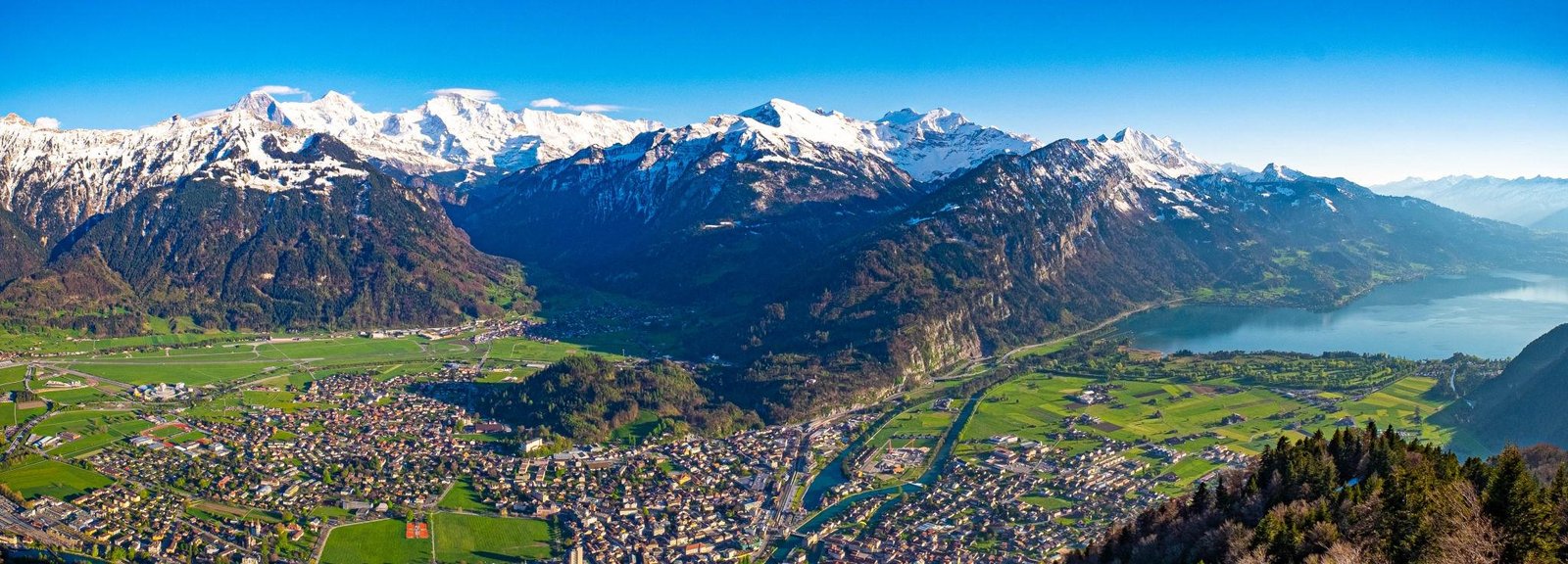
Switzerland is a relatively compact country, but its mountains, lakes, valleys and scenic railway routes make it difficult to experience everything in just a few days. The ideal length of a Switzerland holiday depends on your interests, travel style, budget and the number of destinations you want to visit.
A short trip can introduce you to Swiss cities and mountain scenery, while a longer holiday allows you to explore several regions at a more relaxed pace.
For most first-time visitors, five to seven days is a practical starting point. Travellers who want to experience more of the country should consider 10 to 14 days.
This guide explains what you can realistically see during different trip lengths and how to choose the right Switzerland itinerary.
How Long Should You Spend in Switzerland?
The following guide provides a general idea of what each trip length can offer:
| Holiday Duration | Best For | What You Can Experience |
|---|---|---|
| 3–4 days | Short breaks | One region, a city and one mountain excursion |
| 5–7 days | First-time visitors | Major cities, lakes and two or more mountain experiences |
| 8–10 days | More comprehensive holidays | Several regions, scenic journeys and additional excursions |
| 10–14 days | Relaxed exploration | Swiss cities, Alpine areas, lakes, villages and regional culture |
| 14 days or more | Slow travel | Deeper exploration and less-visited destinations |
There is no single correct duration. A traveller interested mainly in Zurich and Lucerne may be satisfied with four days, while someone hoping to combine the Bernese Oberland, Zermatt, Geneva and the Engadin will need considerably longer.
Is Three or Four Days Enough for Switzerland?
A three- or four-day holiday can be worthwhile, but it is best to focus on one region rather than trying to cross the entire country.
Switzerland’s mountainous geography means that journeys may take longer than expected. Even when destinations look close on a map, train connections, mountain railways, weather conditions and sightseeing stops can take up much of the day.
Option 1: Zurich and Lucerne
A short city-focused itinerary could include:
- Arrival in Zurich
- Zurich Old Town and Lake Zurich
- Travel to Lucerne
- Lucerne Old Town and Chapel Bridge
- Lake Lucerne
- A mountain excursion to Mount Rigi, Mount Pilatus or another nearby destination
This option is suitable for travellers who want a combination of urban sightseeing, lake views and accessible mountain experiences.
Option 2: Lucerne and the Bernese Oberland
Another option is to focus on central Switzerland and the Interlaken area.
Possible experiences include:
- Lucerne Old Town
- Lake Lucerne
- Interlaken
- Lauterbrunnen
- Grindelwald
- A mountain excursion in the Jungfrau region
This itinerary provides a stronger focus on Alpine scenery and outdoor experiences.
Who Should Choose a Short Trip?
A three- or four-day holiday may suit:
- Travellers with limited annual leave
- Visitors combining Switzerland with another European country
- Business travellers adding leisure days
- People interested in one specific region
- Repeat visitors returning to a favourite destination
For a first visit, however, a short itinerary should be carefully planned to avoid spending most of the holiday in transit.
Why Five Days Can Be a Good Starting Point
A five-day Switzerland holiday offers enough time to combine several major experiences without creating an overly demanding schedule.
A possible route could include:
- Zurich
- Lucerne
- Interlaken
- The Bernese Oberland
- A final night near the departure city or another selected destination
Travellers may also choose to include Zermatt, although adding it can increase travel time and make the itinerary more demanding.
Example Five-Day Switzerland Itinerary
Day 1: Arrive in Zurich
Spend the first day exploring Zurich’s Old Town, shopping streets, riverfront and lakeside areas.
Depending on your arrival time, you may prefer a relaxed walking tour rather than a packed sightseeing schedule.
Day 2: Zurich to Lucerne
Travel to Lucerne and explore its historic centre.
Possible activities include:
- Visiting Chapel Bridge
- Walking along the River Reuss
- Exploring the Old Town
- Enjoying views of Lake Lucerne
- Visiting museums or local attractions
Stay overnight in Lucerne.
Day 3: Lucerne and a Mountain Excursion
Use Lucerne as a base for a mountain excursion. Possible choices include Mount Rigi, Mount Pilatus or Mount Titlis, depending on the season and your preferred experience.
Allow sufficient time for transport, sightseeing and weather changes.
Day 4: Lucerne to Interlaken
Travel towards Interlaken and explore the town or nearby lakes.
If time allows, visit a nearby destination such as Lauterbrunnen or Grindelwald.
Stay overnight in the Interlaken area.
Day 5: Bernese Oberland or Departure
Depending on your departure arrangements, you may have time for:
- A short excursion
- A scenic walk
- A visit to a nearby village
- A relaxed breakfast beside a lake
If your flight departs from Zurich or Geneva, allow enough time for the journey to the airport.
Is Seven Days Enough for a Switzerland Holiday?
For many first-time visitors, seven days provides a good balance between sightseeing and relaxation. It allows travellers to explore two or three bases and include a mixture of cities, lakes and mountain destinations.
A week-long holiday can include:
- Zurich
- Lucerne
- Interlaken or Grindelwald
- Lauterbrunnen
- Bern
- A mountain excursion
- A scenic train or lake journey
The most important planning principle is to avoid changing hotels every night. Staying two or three nights in a destination gives you more time to explore and reduces the stress of packing and moving.
Example Seven-Day Switzerland Itinerary
Day 1: Zurich
Arrive in Zurich and explore the Old Town, Bahnhofstrasse, the Limmat River and Lake Zurich.
Day 2: Zurich to Lucerne
Travel to Lucerne and spend the day discovering the Old Town, Chapel Bridge and lakeside areas.
Day 3: Lucerne Mountain Experience
Choose a mountain excursion such as Mount Pilatus, Mount Rigi or Mount Titlis.
Mountain trips can take several hours, so avoid scheduling too many additional activities on the same day.
Day 4: Lucerne to Interlaken
Travel to Interlaken and enjoy the scenery along the way. Spend the afternoon exploring the town or relaxing beside Lake Thun or Lake Brienz.
Day 5: Lauterbrunnen and Grindelwald
Explore the Bernese Oberland, with possible visits to Lauterbrunnen, Grindelwald or another nearby mountain village.
Day 6: Flexible Mountain or Cultural Day
Keep this day flexible for:
- A mountain excursion
- A scenic train journey
- A lake cruise
- A village visit
- A cultural attraction
- Rest and relaxation
A flexible day is useful because mountain weather can affect visibility and transport operations.
Day 7: Return or Continue
Depending on your departure point, return towards Zurich or Geneva, or continue to another Swiss destination.
How Many Days Do You Need for the Swiss Alps?
The Swiss Alps deserve several days if mountain scenery is a major reason for your trip.
A single mountain excursion may take most of a day once you include:
- Travel to the departure station
- Cable cars or mountain railways
- Walking and sightseeing
- Meals
- Weather delays
- The return journey
For this reason, travellers interested in the Alps should consider spending at least three or four nights in an Alpine region rather than visiting several mountain destinations in quick succession.
Popular Alpine Bases
Interlaken
Interlaken is a convenient base for exploring the Bernese Oberland, including Lauterbrunnen, Grindelwald and other mountain communities.
It is suitable for travellers interested in:
- Mountain excursions
- Hiking
- Scenic villages
- Lakes
- Adventure activities
- Rail journeys
Zermatt
Zermatt is known for its Alpine setting and views of the Matterhorn. It is particularly attractive to travellers who want a dedicated mountain-resort experience.
Because reaching Zermatt takes time, it is generally better to stay for at least two nights if it is included in an itinerary.
Lucerne
Lucerne offers easy access to several mountain destinations and combines Alpine scenery with a historic lakeside city.
It is a practical choice for travellers who want mountain experiences without staying in a remote resort.
Is Ten Days a Good Length for Switzerland?
A ten-day holiday allows visitors to explore Switzerland more thoroughly and reduce the pressure of moving quickly between destinations.
With ten days, travellers may be able to combine:
- Zurich
- Lucerne
- Bern
- Interlaken or Grindelwald
- Zermatt
- Geneva or Montreux
- A scenic railway journey
- Additional lake or mountain excursions
Ten days is particularly suitable for travellers who want a broad introduction to Switzerland while still having time for relaxed meals, walks and unplanned discoveries.
Example Ten-Day Switzerland Itinerary
Days 1–2: Zurich
Explore Zurich’s Old Town, museums, shopping areas and lakeside scenery.
Days 3–4: Lucerne
Discover Lucerne and enjoy a full-day mountain excursion.
Days 5–6: Interlaken and the Bernese Oberland
Visit Interlaken, Lauterbrunnen, Grindelwald or another nearby Alpine destination.
Days 7–8: Zermatt
Travel to Zermatt and explore the village, mountain viewpoints and seasonal activities.
Day 9: Geneva or Montreux
Continue towards the Lake Geneva region and explore a lakeside destination.
Day 10: Departure
Travel to the relevant airport or continue your European journey.
This itinerary is only a framework. The exact route should be adjusted according to flight schedules, seasonal transport, weather and personal interests.
When Should You Spend 14 Days or More in Switzerland?
A two-week holiday is ideal for travellers who want to explore Switzerland at a slower pace.
It can allow time for:
- Multiple mountain regions
- Scenic train journeys
- Lake Geneva
- Central Switzerland
- The Bernese Oberland
- Zermatt
- Ticino
- Graubünden or the Engadin
- Smaller towns and villages
- Additional rest days
A longer stay is also useful for travellers who prefer not to change accommodation frequently.
Benefits of a Longer Holiday
A 14-day trip offers several advantages:
- More flexibility when weather changes
- Less time spent rushing between destinations
- More opportunities for hiking and outdoor activities
- Time to explore local food and culture
- Easier inclusion of scenic railway routes
- Opportunities to visit lesser-known areas
- More relaxed mornings and evenings
Longer holidays can also be useful for families, seniors and travellers who prefer a comfortable pace.
Should You Include Zermatt, Geneva and Lucerne in One Trip?
Yes, but the number of days matters.
These destinations offer different experiences:
- Lucerne: Historic city, lake scenery and nearby mountains
- Zermatt: Alpine resort and Matterhorn views
- Geneva: International city, Lake Geneva and French-speaking Switzerland
Trying to include all three in a short holiday may result in long travel days and limited time at each destination.
For a more comfortable itinerary, consider:
- Five to seven days for Lucerne and the Bernese Oberland
- Eight to ten days for Lucerne, the Bernese Oberland, Zermatt and one additional region
- Ten to fourteen days for a broader combination of central, western and Alpine Switzerland
How Many Nights Should You Spend in Each Destination?
As a general planning principle, staying at least two nights in a destination is often more comfortable than moving every day.
A possible distribution could be:
| Destination or Region | Suggested Nights |
|---|---|
| Zurich | 1–2 |
| Lucerne | 2 |
| Interlaken or Bernese Oberland | 3–4 |
| Zermatt | 2 |
| Geneva or Montreux | 2–3 |
| Ticino or Engadin | 2–3 |
These are planning estimates rather than fixed requirements. Your final distribution should reflect your arrival and departure points, travel interests and available time.
How Travel Time Affects Your Itinerary
Switzerland has an efficient public transport system, but journeys still require time. Travellers should consider more than the scheduled train duration.
Allow time for:
- Walking to and from stations
- Checking into accommodation
- Waiting for connections
- Carrying luggage
- Mountain transport
- Weather-related delays
- Stops for meals and sightseeing
It is usually better to plan fewer destinations and enjoy them fully than to create an itinerary that looks impressive but leaves little time for actual experiences.
How the Season Affects the Number of Days You Need
Your travel season can influence how much you can comfortably do.
Summer
Summer is suitable for hiking, lake activities, scenic train journeys and mountain villages. Popular destinations can be busy, so advance planning may be helpful.
Winter
Winter holidays may focus on skiing, snow activities, festive markets and Alpine resorts. Weather and snow conditions can affect mountain transport and outdoor plans.
Spring and Autumn
Spring and autumn can be attractive for city sightseeing, cultural experiences and scenic travel. Some mountain activities may operate according to seasonal schedules, so check availability before booking.
How to Choose the Right Switzerland Holiday Duration
Consider the following questions before deciding how many days to spend in Switzerland:
What Are Your Main Interests?
If you mainly want to visit cities and museums, a shorter trip may be sufficient. If you want hiking, mountain railways, lake cruises and scenic villages, plan additional days.
Are You Travelling with Children or Seniors?
Families and senior travellers may benefit from a slower itinerary with fewer hotel changes and more rest periods.
Are You Visiting Other Countries?
If Switzerland is part of a larger European holiday, four to seven days may be practical. If Switzerland is your main destination, ten days or more can provide a more complete experience.
What Is Your Budget?
Longer holidays require more spending on accommodation, meals, transport and activities. However, staying longer in one place may reduce the cost and inconvenience of frequent transfers.
What Is Your Arrival and Departure Point?
Flying into Zurich and departing from Geneva, for example, may allow a more efficient route than returning to the same airport. Your transport arrangements should influence the itinerary.
Planning Your Switzerland Holiday with GlobalLink Suisse
Choosing the right holiday duration is the first step towards creating a successful Switzerland experience. GlobalLink Suisse can help travellers organise itineraries around their available time, preferred destinations and travel interests.
Whether you are planning a short Swiss city break, a seven-day Alpine journey, a luxury holiday or a longer multi-region adventure, a carefully structured itinerary can help you make the most of your time.
A tailored Switzerland holiday may combine:
- Scenic cities
- Mountain excursions
- Lakeside destinations
- Cultural experiences
- Comfortable accommodation
- Local sightseeing
- Flexible travel arrangements
Frequently Asked Questions
Is seven days enough for Switzerland?
Yes. Seven days is a good length for many first-time visitors. It allows you to combine destinations such as Zurich, Lucerne and Interlaken while including mountain and lake experiences.
Is five days enough for a Switzerland holiday?
Five days can be enough for a focused itinerary. It is best to choose two or three bases and avoid trying to cover the entire country.
How many days are ideal for a first trip to Switzerland?
For many travellers, seven to ten days provides a comfortable introduction to Switzerland. This allows time for cities, lakes, mountains and scenic journeys.
Can I see Switzerland in three days?
You can experience one region or a short selection of highlights in three days. However, it is not realistic to explore the entire country in that time.
How many days do I need for the Swiss Alps?
If the Alps are your main interest, plan at least three or four nights in a suitable mountain region. This allows time for excursions and flexibility in case of poor weather.
Should I spend two nights in Zermatt?
Two nights can be a useful starting point, especially if you want to experience the village and enjoy a mountain excursion. Longer stays may be preferable for hiking, skiing or a slower holiday.
Can I visit Zurich, Lucerne, Interlaken and Zermatt in one week?
It may be possible, but the itinerary could feel rushed. Consider prioritising two or three regions, especially if you want time for mountain excursions.
Is Switzerland suitable for a two-week holiday?
Yes. Two weeks allows travellers to explore several regions at a more relaxed pace and include destinations that may be difficult to fit into a shorter itinerary.
Should I book a Swiss Travel Pass?
A Swiss Travel Pass may be useful depending on your route and the number of journeys you plan to make. Compare its benefits and conditions with individual tickets before purchasing.
Is it better to stay in one Swiss city or move around?
Staying in one base can be relaxing and economical, but moving between two or three regions allows you to experience more of Switzerland. For most first-time visitors, a combination of bases works well.
Final Thoughts
The best length for a Switzerland holiday depends on how much you want to see and how quickly you prefer to travel.
- Choose three to four days for a focused regional break.
- Choose five to seven days for a balanced first visit.
- Choose eight to ten days for a more comprehensive itinerary.
- Choose 10 to14 days for a relaxed multi-region experience.
- Choose two weeks or more for deeper exploration and slower travel.
For many visitors, seven days is an excellent starting point, while ten days or longer allows more freedom to explore Switzerland’s cities, lakes, mountains and cultural regions.
Ready to plan your Switzerland holiday? Contact GlobalLink Suisse to create a Swiss itinerary that matches your time, interests and travel preferences.