
Australia is one of the world’s largest countries, so trying to cover too many destinations during a single holiday can result in long journeys and limited time at each destination.
Sydney and Melbourne provide two very different city experiences, while the Great Ocean Road adds a scenic road-trip component.
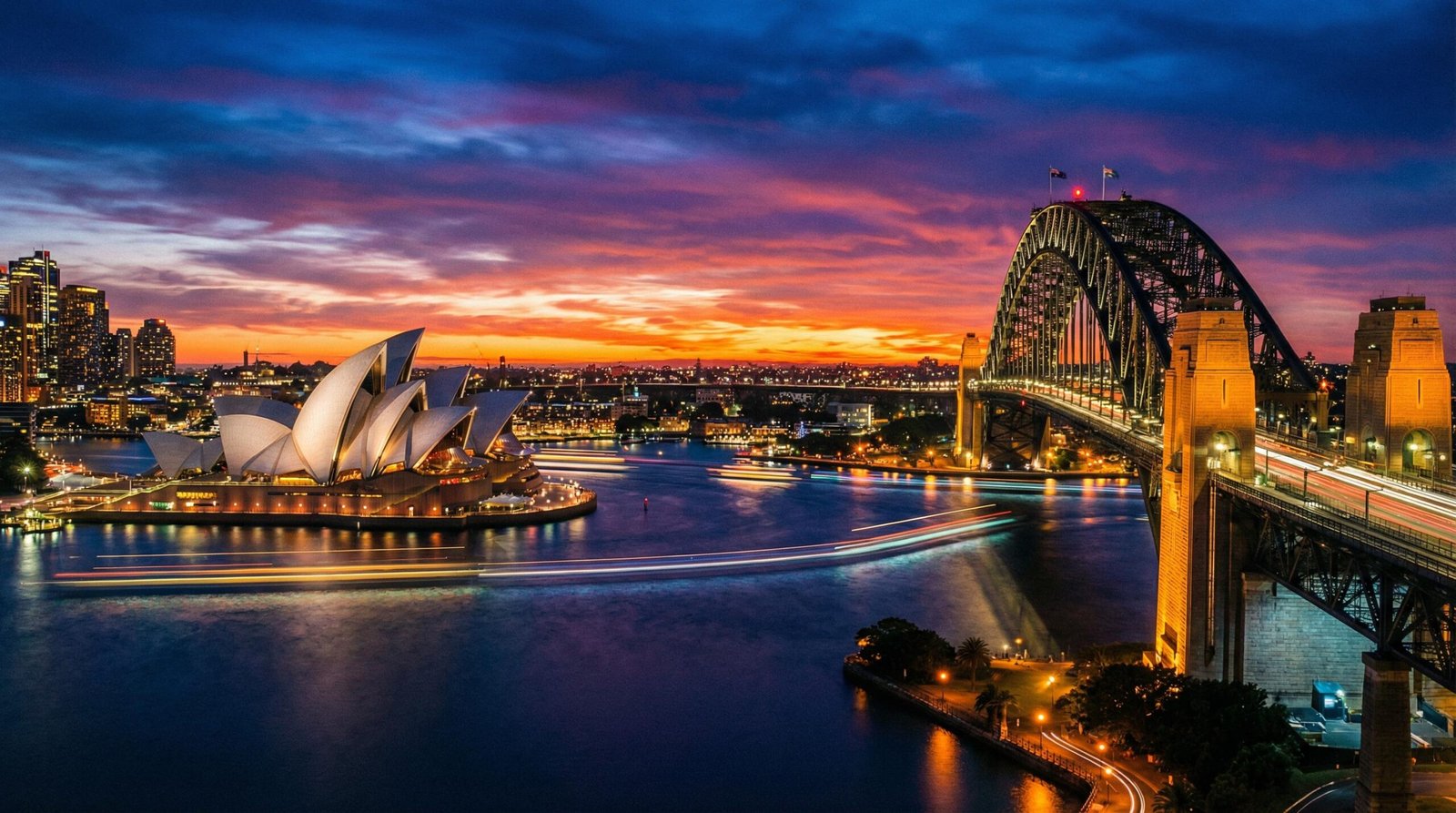
Sydney is known for its harbour, beaches and internationally recognised architecture. Tourism Australia highlights the Sydney Opera House, Sydney Harbour Bridge, Bondi and Manly beaches, ferry experiences and First Nations cultural experiences among the city’s attractions.
Melbourne has a different character, with laneways, cafés, restaurants, galleries, sporting venues, gardens and cultural attractions.
The Great Ocean Road then takes travellers beyond the cities into coastal Victoria, with beaches, forests, wildlife, small towns and the famous 12 Apostles.
Together, these destinations can create a well-rounded Australia itinerary.
Sydney Travel Guide
Sydney, also known by its Aboriginal name Warrane, is one of Australia’s best-known destinations.
The city combines a spectacular natural harbour with beaches, urban neighbourhoods, cultural attractions and outdoor experiences.
Sydney Harbour
Sydney Harbour is the natural centrepiece of the city.
Visitors can admire the Sydney Opera House and Sydney Harbour Bridge, explore Circular Quay or take a ferry across the harbour.
A ferry ride is particularly useful because it combines transportation with sightseeing, offering changing views of the harbour and city skyline.
Sydney Opera House
The Sydney Opera House is one of Australia’s most recognisable landmarks.
Visitors can admire its distinctive architecture from around the harbour, explore the building or attend a performance depending on the programme during their visit.
For first-time visitors, the Opera House is an obvious addition to a Sydney itinerary.
Sydney Harbour Bridge
The Harbour Bridge provides another defining view of Sydney.
Travellers can admire it from Circular Quay, The Rocks and other harbour viewpoints, while adventure experiences can provide opportunities to experience the bridge from a different perspective.
The Rocks
The Rocks is a historic precinct close to Circular Quay and the Harbour Bridge.
It is a convenient area to explore alongside the Opera House and harbour because several major attractions are within walking distance.
Visitors can explore historic streets, restaurants, shops and waterfront areas.
Bondi Beach
Sydney’s beaches are another major part of the city’s appeal.
Bondi Beach is particularly well known internationally and provides opportunities for swimming, surfing, relaxing and enjoying the surrounding restaurants and cafés.
Travellers who enjoy walking can also explore sections of Sydney’s coastal walking routes.
Manly
Manly provides another well-known beach experience and can be reached from Circular Quay by ferry.
The journey across Sydney Harbour is itself part of the experience, making Manly a useful addition to a longer Sydney itinerary.
First Nations Experiences
Sydney and the surrounding region have deep Aboriginal heritage.
Tourism Australia highlights opportunities to learn about First Nations culture through tours, exhibitions and events.
Travellers interested in Australia’s history should consider including a cultural experience rather than focusing exclusively on landmarks and beaches.
Melbourne Travel Guide
Melbourne offers a contrasting experience to Sydney.
The city is known for its food, coffee culture, arts, sports, historic architecture, gardens and colourful laneways. Official Melbourne tourism information describes the city as a destination filled with restaurants, cafés, cultural activities, parks, sporting venues and laneways.
Melbourne’s Laneways
Melbourne’s laneways are among the city’s most distinctive features.
Visitors can discover cafés, restaurants, bars, boutiques and street art tucked away within the central city.
Walking through the laneways is a simple way to experience Melbourne beyond its major landmarks.
Federation Square
Federation Square sits beside the Yarra River and opposite Flinders Street Station.
It functions as an important gathering place and cultural precinct, with attractions including ACMI, The Ian Potter Centre: NGV Australia and the Koorie Heritage Trust.
Its central location makes it a useful starting point for exploring Melbourne.
Melbourne’s Food Scene
Food is an important part of Melbourne’s travel experience.
The city offers restaurants and cafés representing cuisines from around the world, while its laneways contain everything from casual cafés to fine dining.
Travellers can build food experiences naturally into their sightseeing itinerary rather than treating dining as a separate activity.
Arts and Culture
Melbourne offers museums, galleries, theatres, festivals and other cultural experiences.
The city also has a strong sporting culture, with major events and venues forming an important part of its identity.
Parks and Gardens
Melbourne also offers numerous parks and gardens, providing a change of pace from the central business district.
Travellers staying several days can combine city attractions with outdoor spaces and neighbourhood exploration.
The Great Ocean Road
The Great Ocean Road is one of Victoria’s most famous scenic journeys.
Tourism Australia describes it as one of the world’s scenic coastal drives. The official starting point is Torquay, just over an hour’s drive from Melbourne under typical conditions.
The route combines dramatic cliffs, beaches, forests, wildlife, coastal towns and natural attractions.
The Great Ocean Road itself stretches for more than 243 kilometres, from Torquay to Allansford near Warrnambool.
Torquay
Torquay is the official starting point of the Great Ocean Road and is closely associated with Victoria’s surfing culture.
It is a natural first stop for travellers beginning their journey from Melbourne.
Anglesea
Anglesea is known for its beaches, walking opportunities, river environment and wildlife.
It provides an opportunity to slow down after leaving Melbourne and begin experiencing the coastal character of the region.
Lorne
Lorne is one of the best-known seaside towns along the route.
Visitors can explore the beach, cafés, shops and surrounding natural attractions.
The town is also a useful base for exploring nearby waterfalls and rainforest.
Apollo Bay
Apollo Bay lies between the coast and the Otways.
Its coastal setting, food experiences and access to nearby forests make it an appealing overnight stop on a longer Great Ocean Road itinerary.
The Otways
The Great Ocean Road experience is not limited to the coast.
The Otways provide forests, waterfalls, walking trails and opportunities to experience native Australian wildlife.
Tourism Australia highlights koalas, kangaroos and emus among the wildlife that visitors may encounter in the region.
The 12 Apostles
The 12 Apostles are among Australia’s most recognisable natural landmarks.
These limestone stacks rise from the Southern Ocean and form one of the defining sights along the Great Ocean Road.
They are located within the broader Port Campbell region and are one of the major reasons travellers include this route in an Australian holiday.
Should You Visit the Great Ocean Road as a Day Trip?
It is technically possible to travel from Melbourne to the 12 Apostles and return on the same day.
However, the official Great Ocean Road tourism organisation advises travellers to slow down because the region contains many attractions, beaches, forests, wildlife experiences and towns that are easy to miss on a rushed day trip.
A multi-day itinerary allows visitors to experience more of the region rather than spending most of the day driving.
Official regional itineraries currently include options ranging from two days to seven days, demonstrating how the region can be adapted to different travel styles and available time.
For a first-time visitor, three to four days can provide a comfortable introduction to the major coastal highlights.
How to Get to the Great Ocean Road
Travellers have several options.
By Car
Driving is one of the most flexible ways to explore the Great Ocean Road.
It allows visitors to stop at viewpoints, beaches and towns along the way.
The official regional tourism authority currently estimates the drive from Melbourne CBD to Torquay at approximately 1 hour 17 minutes, although actual journey times depend on traffic and conditions.
By Organised Tour
Travellers who prefer not to drive can join organised tours from Melbourne.
This can simplify transport and allow visitors to concentrate on the scenery and attractions.
By Public Transport
Train and bus connections can also be used to access sections of the region.
However, services do not provide the same flexibility as a private vehicle, particularly when visiting multiple coastal viewpoints.
Travellers should check current timetables before planning a public-transport itinerary.
A Suggested Australia Itinerary
A two-week holiday provides enough time to explore these destinations without making the entire trip feel rushed.
Days 1–4: Sydney
Spend four days exploring:
- Sydney Harbour
- Sydney Opera House
- Sydney Harbour Bridge
- The Rocks
- Bondi Beach
- Manly
- Coastal walks
- First Nations cultural experiences
Day 5: Travel to Melbourne
Fly from Sydney to Melbourne and use the remainder of the day to settle into your accommodation and explore the surrounding neighbourhood.
Days 6–8: Melbourne
Explore:
- Federation Square
- Flinders Street
- Melbourne’s laneways
- Cafés and restaurants
- Museums and galleries
- Parks and gardens
- Sporting or cultural experiences
Days 9–12: Great Ocean Road
Travel west from Melbourne towards:
Torquay → Anglesea → Lorne → Apollo Bay → Otways → 12 Apostles → Port Campbell
Consider staying overnight along the route rather than returning to Melbourne every evening.
Days 13–14: Return to Melbourne
Return to Melbourne using either the coastal or inland route and allow time for additional sightseeing before departure.
Best Time to Visit Sydney, Melbourne and the Great Ocean Road
Australia’s seasons are opposite to those in Europe and North America.
Summer: December to February
Summer is popular for beaches and outdoor activities.
Tourism Australia identifies summer as the high season for the Great Ocean Road, with generally clear skies making coastal scenery particularly appealing.
Autumn: March to May
Autumn can be a comfortable period for exploring cities and undertaking a road trip.
It can also provide a good balance between outdoor activities and city sightseeing.
Winter: June to August
Winter is cooler, particularly in Melbourne and along the Great Ocean Road.
However, the Great Ocean Road remains open and can be explored throughout the season. Tourism Australia identifies winter as the region’s low season.
Spring: September to November
Spring brings opportunities for outdoor sightseeing, city exploration and nature experiences.
Travellers should still check local weather forecasts because conditions can change between regions.
What to Eat in Australia
Australia’s food culture reflects its multicultural population and diverse regions.
In Sydney and Melbourne, travellers can enjoy international cuisines, cafés, seafood, modern Australian dishes and a wide range of casual and fine-dining experiences.
The Great Ocean Road adds a regional food experience, with local seafood, cafés, breweries, artisan producers and restaurants.
The official Great Ocean Road tourism organisation highlights the region’s paddock-to-plate dining, seafood, craft breweries and artisan food experiences.
Australia Travel Tips for First-Time Visitors
Australia Is Larger Than It Looks
Distances between destinations can be substantial.
Plan domestic flights and road journeys carefully and avoid trying to fit too many destinations into one itinerary.
Allow Enough Time for the Great Ocean Road
Do not treat the 12 Apostles as the only reason to visit.
The coastal towns, beaches, forests, wildlife and food experiences are part of the journey.
Check Road Conditions
Weather and road conditions can affect driving.
The regional tourism authority recommends checking current Victorian safety and traffic information before travelling.
Drive Carefully
Parts of the Great Ocean Road are winding.
Drivers should follow local road rules, remain on the left and stop only in appropriate designated areas.
Respect Wildlife
Australia’s wildlife is one of its major attractions, but wild animals should be observed responsibly.
Do not feed wildlife and maintain a safe distance.
Book Ahead During Busy Periods
Popular attractions, tours and accommodation can become busy during peak travel periods.
Advance planning is particularly useful if travelling during Australian summer or around major events.
Who Is This Australia Itinerary Suitable For?
Couples
Sydney’s harbour, Melbourne’s restaurants and the Great Ocean Road’s coastal scenery create a varied holiday for couples.
Families
Families can combine beaches, museums, wildlife experiences and outdoor attractions.
First-Time Visitors
The itinerary provides a broad introduction to Australia’s major urban and natural experiences.
Road-Trip Travellers
The Great Ocean Road is particularly suitable for travellers who enjoy scenic driving and flexible stops.
Nature Lovers
The Otways, beaches, forests, coastal cliffs and wildlife provide numerous opportunities to experience Australia’s natural environment.
Frequently Asked Questions
How many days do I need for Sydney, Melbourne and the Great Ocean Road?
Around 10 to 14 days is a practical starting point for combining the three destinations. A shorter trip is possible, but a longer itinerary allows more time for the Great Ocean Road.
Is Sydney or Melbourne better for first-time visitors?
They offer different experiences. Sydney is particularly associated with its harbour, beaches and iconic architecture, while Melbourne is known for food, culture, laneways, arts and sport.
How far is the Great Ocean Road from Melbourne?
Torquay, the official starting point of the Great Ocean Road, is just over an hour’s drive from Melbourne under typical conditions.
Can I do the Great Ocean Road in one day?
It is possible to make a one-day trip from Melbourne to the 12 Apostles and back, but the regional tourism organisation does not recommend rushing the journey because there is much more to see along the route.
What are the main stops on the Great Ocean Road?
Popular destinations include Torquay, Anglesea, Lorne, Apollo Bay, the Otways, Port Campbell and the 12 Apostles.
What is the best time to visit the Great Ocean Road?
The Great Ocean Road can be visited throughout the year. Summer is the high season, while winter is the low season. Your preferred season will depend on weather, crowds and the type of activities you want to enjoy.
Do I need a car to explore the Great Ocean Road?
A car provides the most flexibility, but organised tours and public transport connections are also available for travellers who prefer not to drive.
What are the 12 Apostles?
The 12 Apostles are limestone rock formations rising from the Southern Ocean along Victoria’s Great Ocean Road. They are one of the region’s best-known natural attractions.
Plan Your Australia Holiday with GlobalLink Suisse
An Australia holiday can combine iconic cities, beautiful beaches, cultural experiences, wildlife and spectacular natural scenery.
From Sydney’s harbour and beaches to Melbourne’s laneways and cultural attractions, followed by the dramatic coastline of the Great Ocean Road, this itinerary offers a varied introduction to Australia.
GlobalLink Suisse can help travellers organise an Australia holiday around their preferred destinations, travel duration and interests.
Ready to explore Australia? Contact GlobalLink Suisse to start planning your Australian journey.