
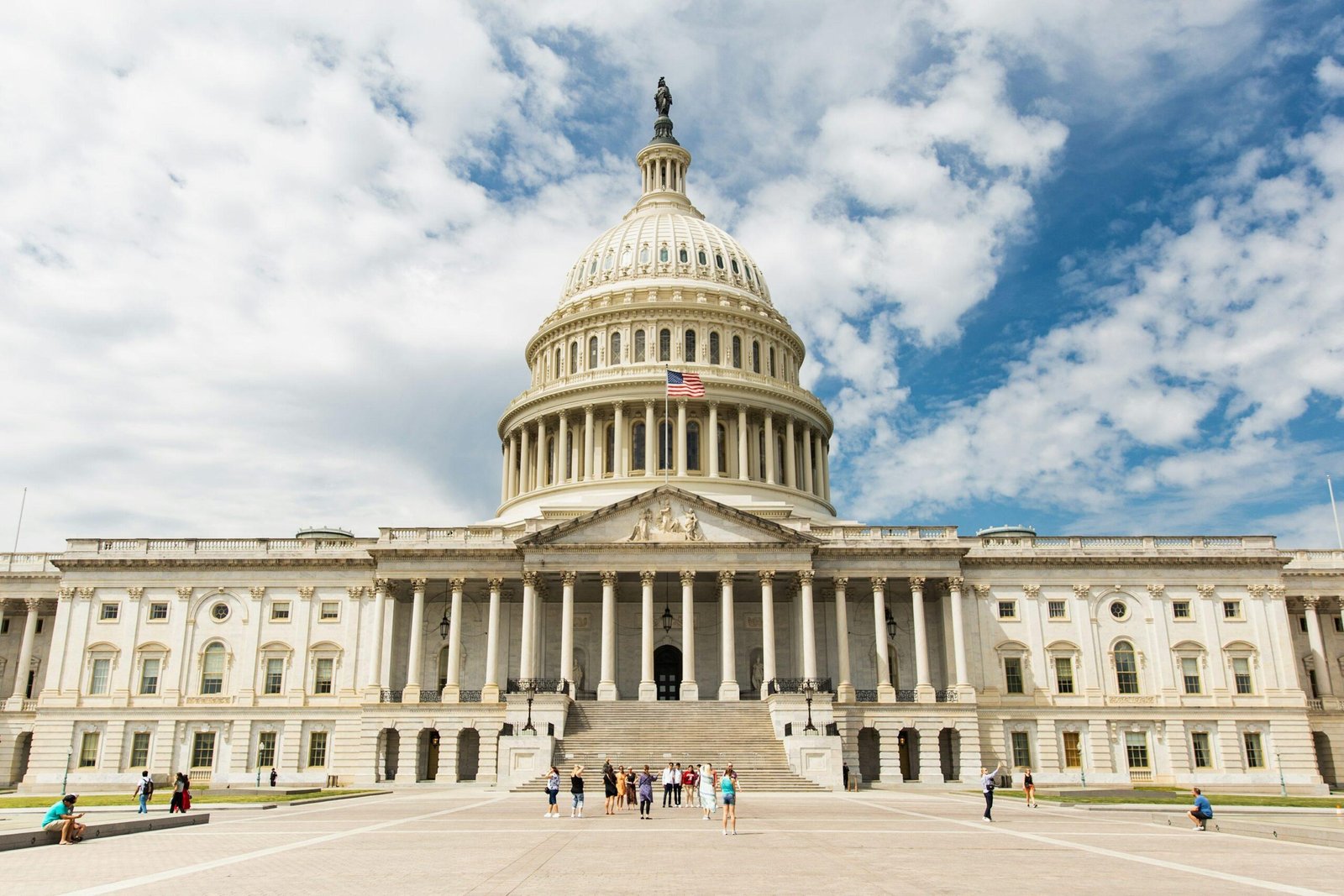
There is no single best time to visit the United States.
The USA is enormous, stretching across multiple climate zones and geographic regions. A pleasant spring day in New York can coincide with very different conditions in California, Florida or the Rocky Mountains.
That means the best time to travel depends on where you are going and what you want to do.
For example, summer can be ideal for national parks and northern cities, while Florida can be particularly attractive during the cooler months. Autumn is popular for New England’s fall colours, and spring can be excellent for city sightseeing and outdoor travel.
The U.S. National Weather Service provides climate information through regional offices across the country, reflecting the considerable differences in weather from one part of the USA to another.
This guide explains the four main travel seasons and how they affect different parts of the country.
When Is the Best Time to Visit the USA?
For many first-time travellers, spring and autumn can provide a good balance of sightseeing conditions in several parts of the country.
However, the answer changes depending on your itinerary.
| Travel Goal | Period to Consider |
|---|---|
| New York and East Coast cities | Spring or autumn |
| New England fall colours | September–October |
| California | Spring, summer or autumn |
| National parks | Depends on the park |
| Florida and Miami | Winter and spring |
| Las Vegas and Southwest | Spring or autumn |
| Skiing | Winter |
| Alaska | Summer |
| Hawaii | Year-round, depending on priorities |
| Road trips | Spring, summer or autumn |
These are broad planning guidelines. Weather can vary from year to year, and conditions within the same region can differ considerably.
Understanding the Four Seasons in the USA
The United States experiences four traditional seasons across much of the country:
- Spring: March to May
- Summer: June to August
- Autumn: September to November
- Winter: December to February
The exact experience varies by location.
The National Weather Service notes that seasonal conditions are influenced by latitude, geography, elevation and regional weather patterns.
For travellers, this means it is important to think about the specific destination, rather than treating the entire USA as having one climate.
Spring in the USA: March to May
Spring is one of the most versatile seasons for travelling around the United States.
Temperatures begin to rise across much of the country, landscapes become greener and outdoor attractions reopen or become more accessible after winter.
It can be a particularly useful season for travellers interested in:
- City sightseeing
- National parks
- Road trips
- Gardens and nature
- Cultural attractions
- Food and festivals
- Outdoor activities
March
March is a transition month.
Southern destinations can already be experiencing warmer conditions, while northern states may still have winter weather.
This makes March particularly suitable for destinations where you want relatively mild conditions rather than a specific summer experience.
April
April can be a good month for city breaks and cultural travel.
Destinations such as Washington, D.C., New York, California and parts of the South can be attractive during this period.
Washington, D.C. is particularly famous for its cherry blossoms, although the exact timing varies from year to year.
Spring also provides opportunities to explore outdoor attractions before some summer destinations reach their busiest periods.
May
May is often a useful shoulder-season month.
Many destinations are warming up, while summer crowds have not yet reached their peak.
May can work well for:
- New York
- Washington, D.C.
- California
- Southern national parks
- Las Vegas
- Road trips
However, mountain destinations can still have significant snow at higher elevations.
Summer in the USA: June to August
Summer is one of the busiest travel periods in the United States.
It is especially popular for:
- Family holidays
- National parks
- Road trips
- Beach holidays
- Outdoor activities
- Festivals
- City breaks
- Alaska travel
Visit The USA highlights summer festivals, outdoor experiences, food events and activities across different regions of the country.
June
June can be an excellent month for many northern destinations and national parks.
Alaska is also entering its main summer travel period.
In the Southwest, temperatures can already become very high, so travellers should consider the conditions before planning strenuous outdoor activities.
July
July is the heart of the American summer.
It can be particularly good for:
- National parks
- Mountain destinations
- Northern cities
- Alaska
- Beach holidays
- Family vacations
However, July can also bring high temperatures in places such as Arizona, Nevada and parts of the southern United States.
For desert destinations, travellers should plan outdoor activities carefully and follow local heat-safety guidance.
The National Weather Service notes that central U.S. summers can include heat waves and periods of extreme heat and humidity, illustrating why conditions should be checked for the specific region.
August
August remains firmly within the summer travel season.
It can be a good month for national parks and northern destinations, but conditions can be hot and humid in many parts of the country.
Popular parks and attractions can also be busy.
If travelling during August, book important accommodation and transportation in advance and check conditions close to departure.
Autumn in the USA: September to November
Autumn is one of the most attractive travel seasons in many parts of the United States.
The weather begins to cool, summer heat gradually decreases and parts of the country become famous for changing foliage.
Visit The USA specifically highlights New England in the fall as a seasonal travel experience.
September
September can be an excellent transition month.
Many destinations remain warm while the intense summer heat begins to ease.
It can work well for:
- New York
- California
- New England
- Las Vegas
- National parks
- Road trips
In northern parts of the country, the first signs of autumn may begin to appear.
October
October is particularly attractive for travellers interested in autumn scenery.
New England is one of the best-known regions for fall foliage, although the timing varies according to location and weather.
The Northeast can also be excellent for city breaks during October.
The National Weather Service notes that fall represents a gradual transition away from summer heat, although the timing of cooling varies from one location to another.
November
November brings cooler conditions across much of the northern United States.
It can still be a good month for:
- City breaks
- Southern destinations
- Cultural travel
- Food experiences
- Pre-winter travel
For travellers seeking warm weather, destinations such as South Florida can become increasingly attractive as temperatures fall elsewhere.
Winter in the USA: December to February
Winter creates some of the biggest contrasts in American travel.
While northern states can experience snow and freezing conditions, Florida, parts of California and Hawaii can provide much warmer alternatives.
Winter is particularly suitable for:
- Ski holidays
- Snow experiences
- Christmas and holiday travel
- Southern U.S. escapes
- City breaks
- Desert destinations
December in the USA
December brings holiday events and winter experiences across the country.
New York City is particularly popular for its festive atmosphere, shopping, decorations and entertainment.
Mountain destinations also enter their winter season, depending on snow conditions.
Southern Florida and Hawaii offer warmer alternatives for travellers looking to escape colder weather.
January in the USA
January is one of the coldest months in many northern and central parts of the country.
It is an important month for ski destinations.
It can also be a useful period for visiting:
- Miami
- South Florida
- Hawaii
- Southern California
- Las Vegas
- Other warmer destinations
Travel conditions in northern states can be significantly affected by snow and winter storms, so check local forecasts before travelling.
February in the USA
February remains winter across much of the country.
It is still a strong month for skiing and winter activities.
For travellers interested in warmer destinations, Florida, Hawaii and parts of the Southwest can provide alternatives to the colder northern states.
Best Time to Visit New York City
New York can be visited throughout the year, but spring and autumn can be particularly appealing for sightseeing.
Spring
Spring offers increasingly mild conditions for walking around Manhattan, exploring Central Park and visiting outdoor attractions.
Summer
Summer brings long days and numerous outdoor events, but temperatures and humidity can be high.
Autumn
September and October can be particularly enjoyable for city sightseeing, with cooler conditions and autumn scenery.
Winter
Winter brings colder conditions but also the city’s famous holiday atmosphere.
Your choice should therefore depend on whether you prioritise outdoor sightseeing, summer events, autumn weather or the festive season.
Best Time to Visit Washington, D.C.
Washington, D.C. is primarily a cultural and historical destination.
Spring and autumn can be particularly comfortable for walking between the National Mall, monuments and museums.
Spring is also associated with the city’s famous cherry blossom season.
Summer can be hot and humid, while winter is colder.
If extensive outdoor sightseeing is important to your itinerary, consider the shoulder seasons.
Best Time to Visit California
California is so large that weather varies significantly between different parts of the state.
Los Angeles and Southern California generally have a different climate from San Francisco and Northern California, while the Sierra Nevada has its own mountain climate.
Los Angeles
Spring, summer and autumn can all work well, depending on your interests.
Summer is popular for beaches and outdoor activities.
San Francisco
Spring and autumn can be useful for city sightseeing, although San Francisco’s weather can differ from inland California.
Yosemite and the Sierra Nevada
The best travel period depends on the specific area, road access and elevation.
Some higher-elevation areas remain snow-covered well into the year.
Always check current National Park Service information before travelling to Yosemite or other national parks. The NPS provides park-specific information on conditions, access and planning.
Best Time to Visit Las Vegas
Las Vegas is a year-round destination, but the desert climate should be considered when planning outdoor activities.
Spring
A useful period for combining the city with nearby outdoor destinations.
Summer
Very hot conditions can occur, particularly during the daytime.
Autumn
Often useful for combining Las Vegas with a Southwest road trip.
Winter
Cooler temperatures can make outdoor exploration more comfortable, although nights can be cold.
If you plan to combine Las Vegas with the Grand Canyon, Zion or Bryce Canyon, consider the conditions at each destination rather than planning around Las Vegas alone.
Best Time to Visit Miami and Florida
Florida is particularly attractive during the cooler months.
Winter can be a popular period for travellers looking for warm weather while much of the northern USA is experiencing winter.
Miami can be combined with:
- Miami Beach
- South Beach
- Little Havana
- Everglades National Park
- Florida Keys
Summer is hot and humid, and weather conditions can be more variable.
For any Florida trip, check current forecasts and official weather information close to departure.
Best Time to Visit the USA National Parks
There is no universal national-park season.
The country contains parks at very different elevations and latitudes.
For example:
- Desert parks can become extremely hot in summer.
- Mountain parks may have snow into late spring.
- Northern parks have shorter summer access windows.
- Some parks are particularly attractive during autumn.
- Southern parks may be accessible for much of the year.
The National Park Service advises visitors to check individual park information before travelling because conditions, roads, reservations and access can change.
Grand Canyon
Spring and autumn can be useful periods for comfortable sightseeing, while summer remains popular but can be hot, particularly in lower elevations.
Yellowstone
Summer is a major travel season because some roads and facilities have seasonal operating periods.
Autumn can offer cooler conditions and changing scenery, although visitors should check current access information.
Yosemite
The best time depends heavily on the areas you want to visit, elevation and current road conditions.
Zion
Spring and autumn can be attractive for hiking and sightseeing, while summer can bring significant heat.
Always consult the National Park Service for the specific park before travelling.
Best Time for a USA Road Trip
The ideal season depends on your route.
East Coast Road Trip
Spring and autumn can be particularly attractive for:
Boston → New York → Philadelphia → Washington, D.C.
California Road Trip
Spring, summer and autumn can all work depending on the route.
A possible journey is:
Los Angeles → Big Sur → San Francisco
Southwest Road Trip
Spring and autumn can be useful for:
Las Vegas → Grand Canyon → Zion → Bryce Canyon
Temperatures can become extreme in parts of the Southwest during summer, so plan carefully if your route involves extensive outdoor activity.
Pacific Northwest Road Trip
Summer can be particularly useful for mountain and national-park travel, although conditions vary by elevation.
Best Time to Visit the USA by Travel Style
| Travel Style | Period to Consider | Destinations |
|---|---|---|
| City sightseeing | Spring or autumn | New York, Washington, Boston, Chicago |
| Beach holiday | Winter or spring | Miami, Florida, Hawaii |
| National parks | Depends on park | Grand Canyon, Yellowstone, Yosemite, Zion |
| Road trip | Spring, summer or autumn | California, Southwest, Northeast |
| Skiing | Winter | Colorado, Utah, Wyoming, Vermont |
| Fall foliage | September–October | New England, Northeast |
| Family holiday | Summer or school holidays | Orlando, California, New York |
| Warm-weather escape | Winter | Florida, Hawaii, Southern California |
| Alaska | Summer | Alaska |
| Christmas holiday | December | New York, major U.S. cities |
These periods are general guides. Specific weather and operating conditions should always be checked for the destination and dates you choose.
Is Summer the Best Time to Visit the USA?
Summer is one of the most convenient seasons for a broad range of American travel, particularly for families and travellers interested in national parks.
However, it is not automatically the best choice for every destination.
Summer can mean:
- Hot weather
- Higher demand
- Busy attractions
- Crowded national parks
- Long daylight hours
- Extensive event calendars
For destinations such as the Southwest, extreme heat can also affect outdoor activities.
If your main goal is city sightseeing or a road trip through several regions, spring or autumn may offer more comfortable conditions in some locations.
Is Winter a Good Time to Visit the USA?
Yes, depending on your itinerary.
Winter is particularly useful if you want:
- Skiing
- Snow
- Holiday experiences
- New York in December
- Florida beaches
- Hawaii
- Southern destinations
It is less suitable for certain northern road trips because snow and ice can affect roads and attractions.
Winter travel therefore works best when the itinerary is designed around the season.
Is Spring a Good Time to Visit the USA?
Spring is one of the most versatile seasons.
It can be particularly suitable for:
- Washington, D.C.
- New York
- California
- Southern national parks
- Road trips
- Outdoor activities
However, northern mountain areas can still have winter conditions, especially at higher elevations.
Is Autumn a Good Time to Visit the USA?
Autumn is an excellent option for travellers interested in cooler temperatures, changing foliage and sightseeing.
New England is particularly famous for fall colours, while September and October can also be useful months for cities and national parks.
Visit The USA specifically promotes New England’s autumn festivals and fall travel experiences.
USA Weather by Month
A simplified overview can help when beginning your planning.
| Month | General Travel Pattern |
|---|---|
| January | Winter; skiing and warmer southern destinations |
| February | Winter; skiing, Florida and Hawaii |
| March | Spring transition; southern USA becomes warmer |
| April | Spring; good for many cities and outdoor destinations |
| May | Late spring; increasingly suitable for road trips |
| June | Summer; national parks and northern destinations |
| July | Peak summer; parks, Alaska, beaches and northern cities |
| August | Summer; outdoor travel but hot in many regions |
| September | Early autumn; good for many cities and road trips |
| October | Autumn; foliage and comfortable conditions in many areas |
| November | Late autumn; cooler northern weather, warmer South |
| December | Winter and holiday season |
This table is deliberately broad because the USA has major regional climate differences.
How to Choose the Right Travel Season
Before booking your trip, ask yourself four questions.
1. Where am I going?
New York, Miami, Los Angeles, Alaska and Yellowstone all have different seasonal patterns.
2. What do I want to do?
Beach holidays, skiing, hiking, city sightseeing and national-park road trips each favour different conditions.
3. How much heat or cold can I comfortably handle?
This can significantly affect your experience, particularly during summer in desert regions or winter in northern states.
4. Are seasonal attractions important?
If you want fall foliage, skiing, cherry blossoms or specific festivals, your travel dates need to match the season.
Visit The USA maintains a current calendar of major events and seasonal experiences across different U.S. regions.
Practical Weather Tips for USA Travel
Check the destination, not just the country
Searching for “USA weather” is not enough.
Check the specific city, national park or region you are visiting.
Check elevation
Mountain destinations can be much colder than nearby cities.
Check conditions shortly before departure
Long-range averages are useful for planning, but actual conditions can vary.
The National Weather Service provides current forecasts, climate data and regional information through its weather offices.
Plan outdoor activities around the weather
If visiting a hot destination, consider hiking early in the day and carrying adequate water.
If visiting a cold destination, prepare for winter travel conditions.
Build flexibility into road trips
Snow, storms, heat and other weather conditions can affect driving and access to attractions.
Frequently Asked Questions
What is the best month to visit the USA?
There is no single best month for the entire country. May, September and October can be useful months for many itineraries, but the ideal time depends on your destination and activities.
What is the best season to visit the USA?
Spring and autumn can provide comfortable sightseeing conditions in many parts of the country. Summer is particularly useful for national parks and northern destinations, while winter is attractive for skiing and warmer destinations such as Florida and Hawaii.
What is the best time to visit New York?
Spring and autumn can be particularly comfortable for sightseeing. Summer offers longer days and outdoor events, while December is popular for the city’s holiday atmosphere.
What is the best time to visit California?
California can be visited throughout the year, but the ideal period depends on where you are going. Coastal cities, deserts and mountain regions have different conditions.
When is the best time to visit the Grand Canyon?
Spring and autumn can offer comfortable sightseeing conditions, but the appropriate season depends on which part of the canyon you plan to explore and the activities you want to undertake.
When is the best time to visit the USA for a road trip?
Spring, summer and autumn can all work depending on the route. Summer is useful for northern and mountain destinations, while spring and autumn can be attractive for the Southwest and many city-to-city routes.
Is December a good time to visit the USA?
Yes, depending on your plans. December is suitable for winter experiences, holiday events, skiing and warmer destinations such as Florida and Hawaii.
Is January a good month to visit America?
January can be excellent for skiing and winter travel, as well as warm-weather destinations such as Florida and Hawaii. Northern cities can be very cold and may experience snow.
When is the best time to visit the USA national parks?
It depends entirely on the park. Some parks are most accessible during summer, while desert parks can be more comfortable in spring and autumn. Always check the National Park Service for the specific park before travelling.
Plan Your USA Holiday with GlobalLink Suisse
The best time to visit the USA depends less on the country as a whole and more on the specific experience you want to create.
For a city-focused holiday, spring and autumn can be attractive. For national parks and northern destinations, summer may provide the greatest access. For skiing, winter is the obvious season, while Florida and Hawaii can offer warm-weather alternatives during the colder months.
The USA’s size means that choosing the right season should be part of your itinerary planning from the beginning.
Whether you are planning an East Coast city tour, a California adventure, a Southwest road trip or a national-park journey, GlobalLink Suisse can help you coordinate the destinations, travel dates and experiences around your holiday plans.
Ready to explore the USA? Contact GlobalLink Suisse to start planning your American journey.