
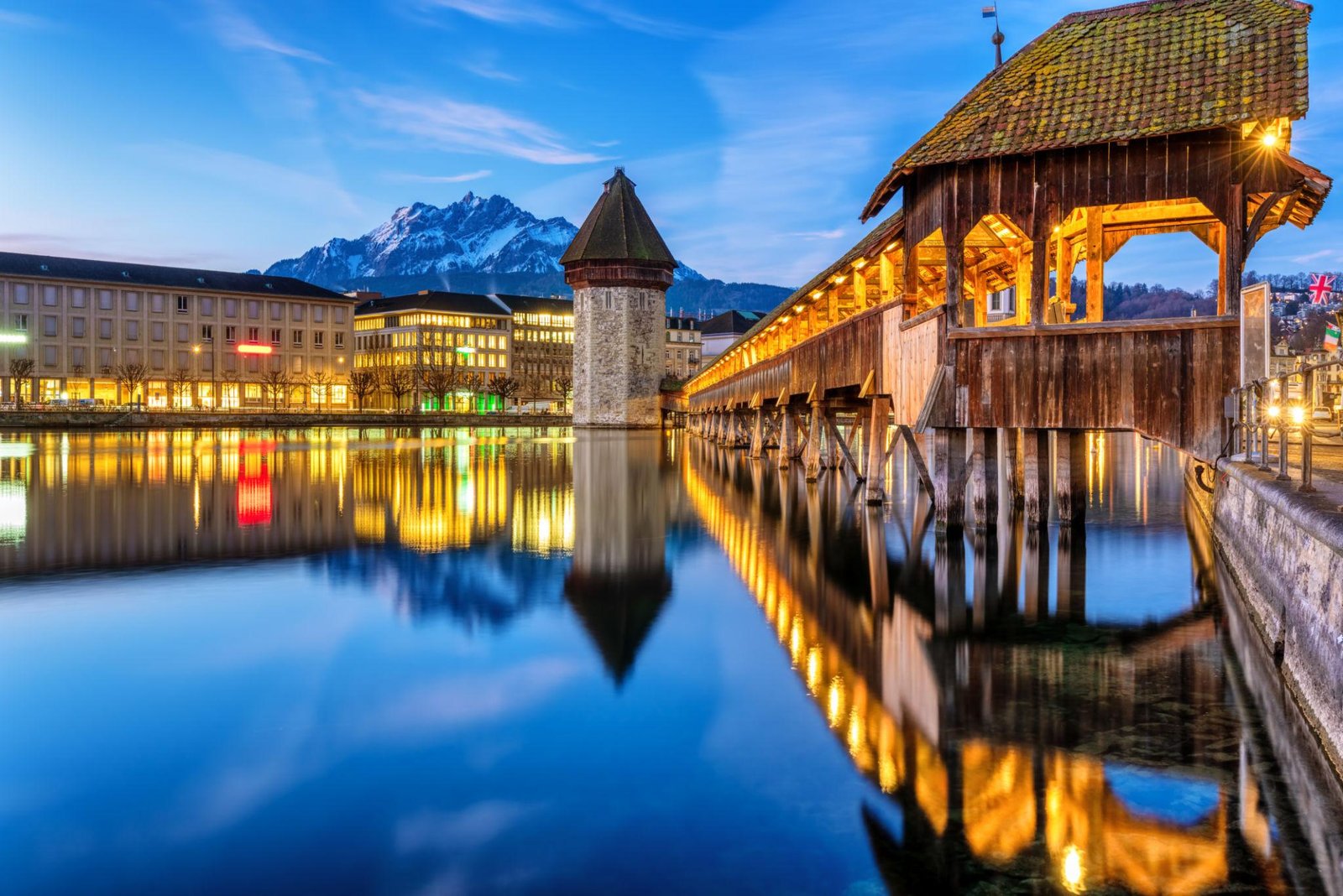
Europe offers an extraordinary concentration of history, culture, architecture, cuisine and natural landscapes.
Within relatively short distances, travellers can move between countries with completely different languages, traditions and environments.
The European Union describes the EU as the world’s leading tourist destination and highlights its cultural and linguistic diversity.
A single holiday could include:
- Historic cities
- Alpine mountains
- Mediterranean islands
- Art museums
- Medieval towns
- Castles and palaces
- World-famous cuisine
- Beaches and coastal landscapes
- Scenic train journeys
- Cultural festivals
- Luxury shopping
- Wine and food experiences
For a first visit, the most important decision is not how many countries you can technically visit. It is choosing destinations that work well together and giving yourself enough time to experience them.
1. France
France is one of Europe’s most recognisable travel destinations and a strong option for first-time visitors.
The country combines historic cities, art, architecture, gastronomy, countryside, wine regions, mountains and Mediterranean coastline.
Paris
For many first-time travellers, Paris is the natural starting point.
The French tourism authority highlights attractions including the Eiffel Tower, Notre-Dame, Arc de Triomphe, Champs-Élysées, Louvre Museum and the historic neighbourhoods of Montmartre and the Latin Quarter.
Paris is also convenient for travellers who enjoy walking, museums, architecture, food and cultural experiences.
A first visit could include:
- Eiffel Tower
- Louvre Museum
- Notre-Dame
- Montmartre
- Arc de Triomphe
- Champs-Élysées
- Seine River cruise
- Latin Quarter
Beyond Paris
France offers considerably more than its capital.
Travellers can explore destinations such as:
- French Riviera
- Provence
- Loire Valley
- Normandy
- Bordeaux
- Lyon
- Strasbourg
- French Alps
France’s extensive rail network also makes it possible to combine Paris with other regions without relying entirely on a rental car.
Why Include France?
France is particularly suitable for travellers interested in:
- Art and museums
- History
- Architecture
- Food and wine
- Romance
- Luxury travel
- Culture
- Shopping
2. Italy
Italy is another excellent introduction to Europe because it combines ancient history, Renaissance art, beautiful cities, dramatic landscapes and world-famous cuisine.
Italy’s official tourism platform highlights cities, UNESCO sites, food and wine, villages, landscapes and cultural attractions across the country.
Rome
Rome provides an opportunity to explore thousands of years of history within one city.
Major experiences include:
- Colosseum
- Roman Forum
- Pantheon
- Trevi Fountain
- Vatican City
- St Peter’s Basilica
- Piazza Navona
Italy’s official tourism site describes Rome as the Eternal City and highlights its enormous artistic and historical heritage.
Florence
Florence is particularly important for travellers interested in Renaissance art and architecture.
The historic centre is a UNESCO World Heritage Site, and the city provides access to major museums, historic buildings, churches, food experiences and the surrounding Tuscan countryside.
Venice
Venice provides a completely different experience.
The city is built across a network of islands connected by bridges and surrounded by canals.
Travellers can explore:
- St Mark’s Square
- St Mark’s Basilica
- Grand Canal
- Rialto Bridge
- Doge’s Palace
- Traditional Venetian neighbourhoods
Italy’s official tourism site describes Venice as a city of 118 islands connected by more than 400 bridges.
Why Include Italy?
Italy is particularly appealing for:
- History
- Art
- Architecture
- Food
- Romance
- Fashion
- Luxury
- Cultural tourism
3. Switzerland
Switzerland offers a very different European experience.
Instead of focusing primarily on large historic cities, Switzerland combines attractive urban centres with lakes, mountains, Alpine villages and some of Europe’s most scenic rail journeys.
For travellers visiting Europe for the first time, Switzerland can also work particularly well as part of a multi-country itinerary.
Zurich
Zurich is one of Switzerland’s major international gateways.
The city combines historic areas with modern shopping, restaurants, museums and access to the surrounding lake and mountains.
Lucerne
Lucerne is one of the most popular destinations for visitors exploring central Switzerland.
Its location beside Lake Lucerne and its proximity to mountain attractions make it a useful base for sightseeing.
Interlaken
Interlaken provides access to the Jungfrau Region and surrounding Alpine experiences.
Switzerland Tourism highlights the route between Zurich, Lucerne and Interlaken as part of its Grand Train Tour, with the journey between Lucerne and Interlaken featuring mountain scenery, lakes and waterfalls.
Travellers can also explore destinations around:
- Grindelwald
- Lauterbrunnen
- Jungfraujoch
- Lake Geneva
- Zermatt
- Montreux
Why Include Switzerland?
Switzerland is particularly suitable for:
- Scenic travel
- Mountain experiences
- Luxury holidays
- Romantic trips
- Family holidays
- Train journeys
- Nature
- Photography
4. Greece
Greece combines ancient history, Mediterranean landscapes, islands, beaches, food and distinctive local culture.
It is particularly attractive for travellers who want to combine sightseeing with relaxation.
Athens
Athens provides an excellent starting point for exploring Greek history.
The Acropolis and surrounding historic areas can form the foundation of a first visit.
Visitors can combine ancient monuments with museums, neighbourhoods, restaurants and modern Greek city life.
Santorini
Santorini is one of Greece’s most famous islands.
The official Greek tourism organisation highlights its volcanic landscape, caldera views, traditional settlements, beaches and local gastronomy.
Popular experiences include:
- Oia
- Fira
- Caldera viewpoints
- Sunset experiences
- Volcanic beaches
- Local food and wine
Crete
Crete offers a broader combination of beaches, mountains, villages, history and food.
The island’s destinations include historic towns, archaeological sites, beaches and mountain landscapes.
Why Include Greece?
Greece is particularly suitable for:
- Island holidays
- History
- Beaches
- Honeymoons
- Food
- Mediterranean culture
- Cruises
- Summer holidays
5. Spain
Spain offers an extensive variety of travel experiences.
Travellers can combine historic cities, Mediterranean beaches, architecture, food, nightlife and regional cultures.
Barcelona
Barcelona combines architecture, Mediterranean atmosphere and urban culture.
Visitors can explore:
- Sagrada Família
- Gothic Quarter
- Park Güell
- La Rambla
- Barceloneta
- Modernist architecture
Madrid
Madrid offers major museums, historic neighbourhoods, restaurants, parks and cultural attractions.
The city is also a useful base for exploring central Spain.
Seville
Seville provides a different perspective on Spanish culture, with historic architecture, traditional neighbourhoods, plazas and Andalusian influences.
Why Include Spain?
Spain is particularly suitable for:
- City breaks
- Beaches
- Food
- Architecture
- Culture
- Nightlife
- Family holidays
6. Germany
Germany can be an excellent choice for first-time European visitors interested in history, architecture, cities and scenic landscapes.
Berlin
Berlin offers museums, historic landmarks, contemporary culture and important sites connected to twentieth-century European history.
Munich
Munich provides access to Bavarian culture, historic architecture and nearby Alpine destinations.
It can also work well as a base for exploring southern Germany.
Romantic Road and Bavaria
Travellers with additional time can explore smaller towns and castles across Bavaria.
The region provides a different experience from Germany’s major cities, with historic towns, countryside and traditional architecture.
Why Include Germany?
Germany is particularly suitable for:
- History
- Culture
- Christmas markets
- Architecture
- Family travel
- Scenic road trips
- City breaks
How to Choose the Right European Countries
The best countries for your first Europe trip depend heavily on the type of holiday you want.
For History and Culture
Consider:
Italy + France + Greece
This combination offers ancient sites, museums, historic cities, architecture and Mediterranean culture.
For Mountains and Scenic Travel
Consider:
Switzerland + France + Italy
This combination can combine the Swiss Alps with French and Italian cities and landscapes.
For Romance
Consider:
France + Switzerland + Italy
Paris, Swiss Alpine destinations, Florence, Venice and other Italian destinations can create a varied romantic itinerary.
For Beaches and Mediterranean Experiences
Consider:
Greece + Italy + Spain
This combination provides opportunities for islands, beaches, historic cities, food and coastal experiences.
For First-Time City Breaks
Consider:
France + Italy + Spain
Paris, Rome, Florence, Barcelona and Madrid provide a strong combination of major European cities.
How Many Countries Should You Visit on Your First Europe Trip?
One of the biggest mistakes first-time travellers make is trying to visit too many countries.
Europe may look compact on a map, but travelling between cities takes time.
Every change of country can involve:
- Packing
- Checking out
- Travelling to a station or airport
- Waiting for transportation
- Travelling
- Checking into another hotel
- Getting familiar with another city
For this reason, a slower itinerary can often produce a better travel experience.
A 7-Day Europe Trip
For one week, consider two countries rather than trying to see five or six.
Example:
France + Switzerland
Paris → Zurich → Lucerne → Interlaken
Or:
Italy + France
Rome → Florence → Paris
A 10-Day Europe Itinerary
Ten days gives you more flexibility.
Option 1: France, Switzerland and Italy
Days 1–3: Paris
Days 4–6: Switzerland
Days 7–10: Northern Italy
This provides a mixture of major cities, mountains, lakes and culture.
Option 2: Italy and Greece
Days 1–4: Rome and Florence
Days 5–7: Athens
Days 8–10: Greek island experience
This combines ancient history with Mediterranean scenery.
A 14-Day Europe Itinerary
Two weeks can comfortably accommodate three or four countries if the destinations are planned geographically.
France, Switzerland and Italy
Days 1–4: Paris
Days 5–8: Switzerland
Days 9–14: Italy
Possible route:
Paris → Zurich → Lucerne → Interlaken → Milan → Florence → Rome
This itinerary combines some of Europe’s best-known urban and scenic experiences.
France, Italy and Greece
Another possibility is:
Paris → Rome → Florence → Athens → Santorini
This itinerary places greater emphasis on history, culture, food and Mediterranean experiences.
How to Travel Between European Countries
Europe offers several transportation options.
Trains
Rail travel can be one of the most convenient ways to move between major European cities.
It is particularly useful for routes such as:
- Paris to other French cities
- Zurich to Lucerne
- Lucerne to Interlaken
- Milan to Florence
- Florence to Rome
Switzerland is especially well suited to scenic rail travel, with Switzerland Tourism promoting routes connecting cities, lakes and Alpine destinations.
Flights
Flights can be useful when travelling longer distances or between destinations that are not efficiently connected by rail.
However, remember to account for airport transfers, security and boarding time when comparing flights with trains.
Road Trips
A rental car can be useful for exploring rural areas, smaller towns and regions where public transport is less convenient.
It is generally more useful for regional exploration than for moving between major European capitals.
When Is the Best Time to Visit Europe?
Europe can be visited throughout the year, but the best season depends on your destinations and interests.
Spring
Spring can be ideal for:
- City sightseeing
- Gardens
- Cultural attractions
- Walking tours
- Countryside
Popular destinations may also feel less busy than during the peak summer period.
Summer
Summer is popular for:
- Mediterranean beaches
- Greek islands
- Alpine holidays
- Outdoor activities
- European festivals
However, popular destinations can become busy during the peak summer months.
Autumn
Autumn can be excellent for:
- City breaks
- Food and wine travel
- Scenic landscapes
- Cultural tourism
- Photography
Winter
Winter opens up different experiences, including:
- Christmas markets
- Ski resorts
- Alpine holidays
- Winter city breaks
- Festive events
Switzerland, Germany, Austria and parts of France and Italy are particularly interesting during winter.
Practical Tips for Your First Europe Trip
Check Entry Requirements
Visa and entry requirements depend on your nationality, destination and travel circumstances.
Check the current official requirements for every country on your itinerary before booking your trip.
Do not assume that entry requirements are identical for every European country.
Plan Your Route Geographically
Avoid unnecessary backtracking.
For example:
Paris → Switzerland → Northern Italy
is generally more logical than travelling from Paris to Italy, back to Switzerland and then returning to Italy.
Don’t Overpack the Itinerary
A city deserves more than a few hours.
Allow enough time to walk, eat, explore neighbourhoods and discover experiences beyond the main attractions.
Book Popular Attractions in Advance
Major attractions may have timed-entry arrangements or sell out during busy periods.
Research important attractions before travelling and book where necessary.
Consider Travel Time
When building your itinerary, count travel days and transfer time.
A four-hour journey can effectively consume a large part of a sightseeing day.
Keep Some Flexibility
Do not schedule every hour.
Leave room for:
- Unexpected discoveries
- Weather changes
- Rest
- Longer meals
- Local events
- Shopping
- Additional sightseeing
Europe for Different Types of Travellers
Couples
France, Italy, Switzerland and Greece provide many opportunities for romantic experiences.
Think:
- Paris
- Venice
- Swiss lakes and mountains
- Santorini
- French Riviera
- Italian countryside
Families
Families may prefer destinations with a mixture of attractions, parks, museums and easy transportation.
Switzerland, France, Italy and Germany can provide varied experiences suitable for different ages.
Luxury Travellers
Luxury experiences can be found throughout Europe.
Potential destinations include:
- Paris
- Swiss Alpine resorts
- Lake Como
- French Riviera
- Venice
- Santorini
History Lovers
Consider:
- Italy
- Greece
- France
- Germany
These destinations provide opportunities to explore ancient, medieval and modern European history.
Nature Lovers
Consider:
- Switzerland
- Greece
- Italy
- France
The Alps, Mediterranean islands, lakes, coastlines and countryside provide very different natural environments.
Sample First Europe Trip
For someone visiting Europe for the first time, one balanced itinerary could be:
Days 1–4: France
Paris
Explore the Eiffel Tower, Louvre, Notre-Dame, Montmartre, Seine and historic neighbourhoods.
Days 5–8: Switzerland
Zurich → Lucerne → Interlaken
Experience Swiss cities, lakes, mountains and scenic rail travel.
Days 9–14: Italy
Milan → Florence → Rome
Experience Italian food, architecture, art and history.
This itinerary covers three countries while keeping the route relatively logical.
Frequently Asked Questions
Which countries are best for a first trip to Europe?
Popular first-trip choices include France, Italy, Switzerland, Greece, Spain and Germany. The right combination depends on whether your priorities are history, beaches, mountains, culture, food, shopping or relaxation.
How many countries should I visit in Europe for the first time?
For a first trip, two or three countries can provide a more comfortable pace than trying to visit many countries in a short period.
Is 7 days enough for Europe?
Seven days is enough for a focused trip, but it is better to choose one or two countries rather than attempting to see the entire continent.
Is Switzerland worth including in a Europe itinerary?
Switzerland can add a different dimension to a European holiday through its mountains, lakes, Alpine towns and scenic rail journeys. The Zurich–Lucerne–Interlaken route is one example of how several Swiss destinations can be connected by rail.
Should I travel around Europe by train or plane?
It depends on the route. Trains can be particularly convenient between nearby major cities, while flights may make more sense for longer distances or destinations without convenient rail connections.
What is the best month to visit Europe?
There is no single best month for the entire continent. Spring and autumn can be comfortable for city sightseeing, summer suits many Mediterranean holidays, while winter is attractive for Christmas markets and Alpine experiences.
Is Italy good for a first Europe trip?
Italy offers a broad range of experiences, including ancient history in Rome, Renaissance art in Florence, canals and architecture in Venice, food and wine, coastal destinations and mountain landscapes.
Is Greece good for a first Europe trip?
Greece can be particularly appealing if you want to combine history, beaches, islands, food and Mediterranean culture. Destinations such as Athens and Santorini offer very different experiences within the same country.
Plan Your European Holiday with GlobalLink Suisse
Your first European holiday does not need to cover the entire continent.
The most memorable trips often come from selecting a few destinations that complement each other and allowing enough time to experience them properly.
Whether you want to discover Paris and Rome, experience the Swiss Alps, explore the Greek islands, enjoy Mediterranean beaches or build a multi-country European journey, GlobalLink Suisse can help you structure your itinerary around your interests, travel duration and preferred experiences.
Ready to explore Europe? Contact GlobalLink Suisse to start planning your European journey.