
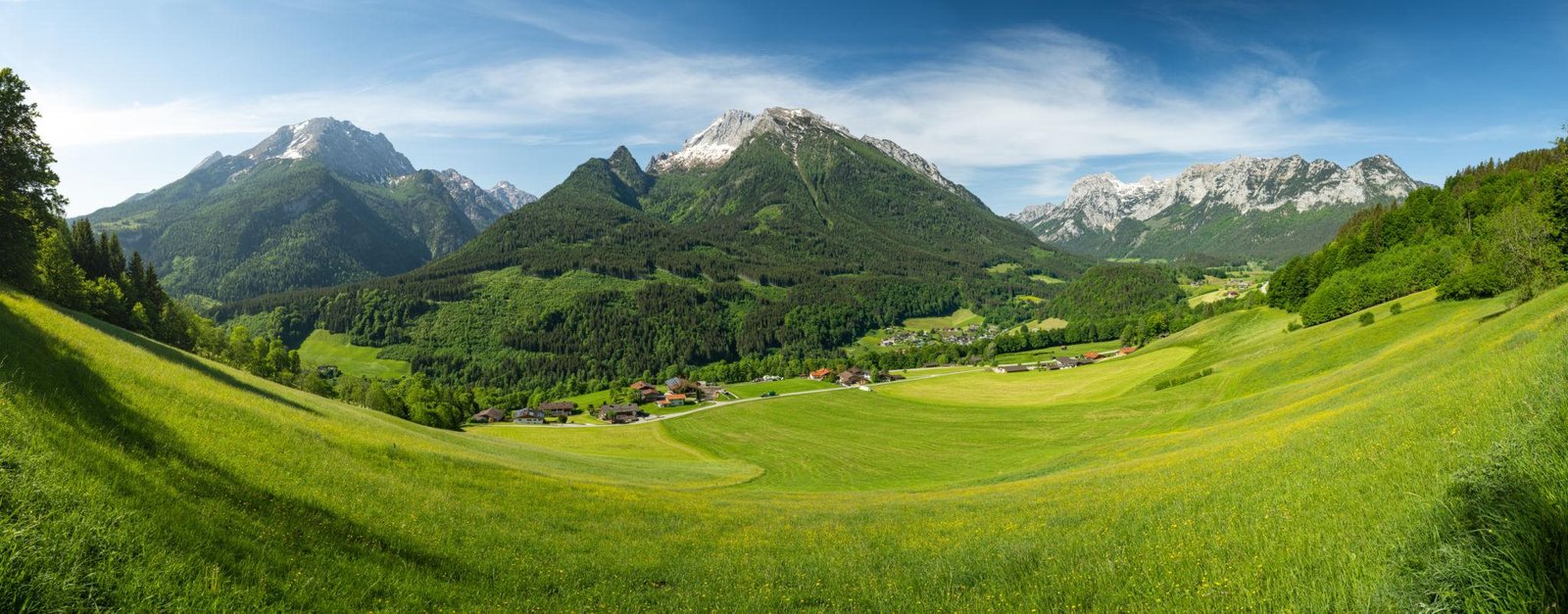
One of Europe’s greatest advantages for travellers is the ability to experience several countries within one holiday.
A journey can move from the cafés and museums of Paris to the mountains of Switzerland and then continue to the historic cities of northern Italy.
Another itinerary could combine:
Paris → Switzerland → Italy → Greece
This creates a journey that includes major cities, Alpine scenery, Mediterranean culture, historic attractions and coastal destinations.
The European Union currently comprises 27 member countries, while Europe as a geographical destination extends beyond the EU. This means travellers have an enormous number of possible combinations when planning a European holiday.
The challenge is therefore not finding destinations. It is choosing a route that is practical.
How Many Countries Should You Visit?
One of the first decisions is determining how many countries to include.
More countries do not necessarily mean a better holiday.
Every additional destination can involve:
- Packing and unpacking
- Hotel check-in and check-out
- Transfers
- Train or flight time
- Waiting at stations or airports
- Learning a new local transport system
- Adjusting to a different city
For a 7-day Europe holiday, one or two countries may be enough.
For 10 to 14 days, two to four countries can work depending on the route.
For three weeks or more, travellers have greater flexibility to create a longer multi-country journey.
A useful rule is to think about experiences and regions rather than simply counting countries.
Start With Your Travel Priorities
Before choosing countries, decide what you want from the holiday.
History and Culture
Consider destinations such as:
- France
- Italy
- Greece
- Germany
These countries provide opportunities to explore historic cities, museums, monuments, architecture and cultural traditions.
Mountains and Nature
Consider:
- Switzerland
- Austria
- Northern Italy
- France
Switzerland is particularly suited to scenic travel. Its Grand Train Tour connects destinations including Zurich, Lucerne, Interlaken, Montreux, Zermatt and St. Moritz through a network of scenic rail routes.
Beaches and Mediterranean Travel
Consider:
- Greece
- Italy
- Spain
- France
These destinations can be combined with city sightseeing and coastal experiences.
Food and Wine
Italy, France, Spain and Greece offer very different culinary traditions and can form the foundation of a food-focused European holiday.
Italy’s official tourism platform, for example, highlights food and wine alongside cities, villages, landscapes and cultural attractions as major elements of travel around the country.
Luxury Travel
Consider combinations such as:
France + Switzerland + Italy
This route can combine luxury hotels, fine dining, shopping, Alpine resorts, scenic rail travel and historic cities.
Choose Destinations That Connect Logically
Once you know what you want to experience, look at the geography.
Avoid creating an itinerary that constantly moves backwards and forwards.
For example:
Paris → Switzerland → Milan → Florence → Rome
is a more logical progression than:
Paris → Rome → Switzerland → Milan → Paris
The second itinerary creates additional travel and backtracking.
A good multi-country itinerary should generally move in one broad direction.
Popular Multi-Country Europe Routes
France + Switzerland + Italy
This is one of the most varied combinations for a first European holiday.
France
Begin in Paris and explore:
- Eiffel Tower
- Louvre
- Notre-Dame
- Montmartre
- Seine
- Historic neighbourhoods
France’s official tourism website highlights Paris’s major monuments, museums, neighbourhoods, gastronomy and cultural attractions.
Switzerland
Continue to:
- Zurich
- Lucerne
- Interlaken
- Montreux
This introduces lakes, mountains, Alpine villages and scenic rail travel.
Italy
Finish in:
- Milan
- Florence
- Rome
Italy then adds Renaissance art, ancient history, architecture, food and urban culture.
This combination works particularly well because the experiences are significantly different without requiring an enormous geographical detour.
France + Switzerland
For travellers with only a week or slightly longer, a two-country itinerary can be more comfortable.
Suggested Route
Paris → Zurich → Lucerne → Interlaken
You can begin with museums, architecture and French culture before moving into the Swiss Alps.
Switzerland’s Grand Train Tour demonstrates how destinations such as Zurich, Lucerne and Interlaken can be connected through scenic rail travel.
Italy + Switzerland
This is another excellent combination for travellers interested in mountains, lakes, architecture, food and culture.
Suggested Route
Milan → Lake Como → Lucerne → Interlaken → Zurich
The route can combine northern Italy with central Switzerland.
Italy’s official tourism platform highlights northern destinations such as the Aosta Valley and Piedmont for their mountains, villages, history and landscapes.
Italy + Greece
This combination is particularly attractive for travellers who want history and Mediterranean experiences.
Suggested Route
Rome → Florence → Athens → Santorini
Start with Italy’s ancient and Renaissance heritage before continuing to Athens and the Greek islands.
Greece’s official tourism organisation highlights Athens, island destinations, beaches, cultural heritage, villages, nature and gastronomy among the country’s travel experiences.
France + Italy + Greece
For a longer Mediterranean-focused holiday, consider:
Paris → Rome → Athens → Santorini
This combines three major European travel cultures.
However, because Greece is farther east and involves additional travel, this itinerary works better with around two weeks or more.
How to Build a 7-Day Multi-Country Europe Holiday
A week is relatively short, so resist the temptation to visit four or five countries.
Option 1: France + Switzerland
Days 1–3: Paris
Day 4: Travel to Switzerland
Days 5–7: Lucerne and Interlaken
This provides a combination of city sightseeing and Alpine scenery.
Option 2: Italy + France
Days 1–3: Paris
Days 4–7: Rome
This is better suited to travellers prioritising major European cities and cultural attractions.
Option 3: Switzerland + Italy
Days 1–3: Switzerland
Days 4–7: Northern Italy
This works particularly well for travellers interested in mountains, lakes, food and scenic travel.
How to Build a 10-Day Europe Holiday
Ten days provides considerably more flexibility.
France + Switzerland + Italy
Days 1–3: Paris
Days 4–6: Switzerland
Days 7–10: Northern Italy
A possible route is:
Paris → Zurich → Lucerne → Interlaken → Milan
This provides three countries without attempting to see too many cities.
How to Build a 14-Day Europe Holiday
Two weeks allows a more extensive journey.
Option 1: France + Switzerland + Italy
Days 1–4: Paris
Days 5–8: Switzerland
Days 9–14: Italy
Possible Italian destinations include:
Milan → Florence → Rome
This itinerary provides a balance between major cities and scenic destinations.
Option 2: France + Italy + Greece
Days 1–4: Paris
Days 5–8: Rome and Florence
Days 9–11: Athens
Days 12–14: Santorini
This is particularly suited to travellers interested in history, culture, food and Mediterranean scenery.
How to Travel Between European Countries
Transportation is one of the most important parts of planning a multi-country trip.
Travel by Train
Rail travel can be particularly convenient when destinations are relatively close.
Examples include:
- Paris → Switzerland
- Zurich → Lucerne
- Lucerne → Interlaken
- Switzerland → Northern Italy
- Milan → Florence
- Florence → Rome
Switzerland is particularly well suited to scenic rail travel. Its Grand Train Tour covers around 1,280 kilometres, with eight sections, 11 large lakes and five UNESCO World Heritage Sites.
Travel by Plane
Flying can make sense when destinations are far apart.
For example, travelling between northern Europe and Greece may be considerably more practical by air than attempting to make the entire journey by train.
However, remember that a flight involves more than the time spent in the air.
Allow for:
- Airport transfers
- Check-in
- Security
- Boarding
- Baggage
- Arrival transfers
For shorter journeys, a train can sometimes provide a more convenient door-to-door experience.
Travel by Car
A rental car can be useful when exploring:
- Small towns
- Countryside
- Wine regions
- Mountain villages
- Rural destinations
It is less convenient for major city centres where parking can be expensive or restricted.
Should You Buy a Rail Pass?
A rail pass can be useful for some travellers, but it is not automatically the cheapest option.
Compare:
- Individual ticket prices
- Rail-pass cost
- Seat reservations
- Number of journeys
- Travel class
- Flexibility
Switzerland, for example, offers several public transport ticket options, while some panoramic services require additional reservations. Switzerland Tourism specifically notes reservation requirements for services such as the Glacier Express and Bernina Express.
For a trip involving several countries, calculate the actual routes before deciding whether a pass makes sense.
Don’t Underestimate Travel Time
One of the most common problems with multi-country itineraries is treating travel time as if it does not count.
Suppose you have:
Day 1 – Paris
Day 2 – Paris
Day 3 – Travel to Switzerland
Day 4 – Switzerland
The third day is not necessarily a full sightseeing day.
You may need to:
- Check out
- Reach the station
- Travel
- Find your accommodation
- Check in
- Get settled
Therefore, avoid filling travel days with too many attractions.
Stay Longer in Fewer Cities
Instead of visiting:
Paris → Brussels → Amsterdam → Berlin → Zurich → Milan
in 10 days, consider:
Paris → Switzerland → Milan
The second route may provide a more relaxed experience.
You will have more time to:
- Explore neighbourhoods
- Enjoy local restaurants
- Visit museums
- Take day trips
- Rest
- Handle unexpected delays
Plan Your Accommodation Around Transport
When choosing hotels, location can make a major difference.
In major cities, consider staying relatively close to:
- Main railway stations
- Metro stations
- Major attractions
- Airport connections
If you are travelling by train, staying close to the station can make an early departure much easier.
However, do not choose a hotel solely because it is beside a station. Consider the overall neighbourhood and how convenient it is for sightseeing.
Create a Flexible Daily Schedule
A good itinerary should provide structure without becoming a timetable that leaves no room for spontaneity.
A useful approach is to select:
2–3 major activities per day
and leave some time between them.
For example:
Paris Day
Morning:
- Louvre
Afternoon:
- Seine
- Notre-Dame
Evening:
- Montmartre
This leaves room for meals, transport and unexpected discoveries.
Book the Most Important Attractions First
Some major attractions can become busy, particularly during peak travel periods.
Once your itinerary is confirmed, identify attractions that require or benefit from advance booking.
These might include:
- Major museums
- Popular viewpoints
- Scenic trains
- Special exhibitions
- Guided tours
- Popular cruises
Then build the rest of the itinerary around those fixed commitments.
Plan Around the Seasons
The same itinerary can feel very different depending on when you travel.
Spring
Spring can be suitable for:
- City sightseeing
- Walking tours
- Gardens
- Cultural attractions
- Countryside
Summer
Summer is particularly popular for:
- Mediterranean destinations
- Greek islands
- Alpine travel
- Outdoor activities
- Beaches
Popular destinations can also be significantly busier.
Autumn
Autumn can work well for:
- European city breaks
- Food and wine travel
- Scenic landscapes
- Cultural trips
Winter
Winter offers a different type of European experience.
Consider:
- Christmas markets
- Alpine skiing
- Winter resorts
- Festive city breaks
Check Visa and Entry Requirements
Entry requirements depend on your nationality, destination and travel circumstances.
Do not assume that one visa or entry rule automatically applies to every European country.
If your itinerary includes countries in the Schengen Area, check the current official rules applicable to your nationality and circumstances before booking.
Also check:
- Passport validity
- Visa requirements
- Length-of-stay rules
- Travel insurance requirements
- Transit requirements
- Entry conditions
Italy’s official tourism portal similarly advises travellers to check documentation requirements because the applicable rules vary according to the traveller’s country of origin.
For Greece, the official tourism authority also provides current information on passports and visas and advises non-EU travellers to check the relevant requirements before travelling.
Because entry rules can change, always verify requirements using the relevant government or official consular source before departure.
Budgeting for a Multi-Country Europe Trip
Your budget should account for more than hotels and flights.
Consider:
Transportation
- International flights
- European trains
- Domestic flights
- Airport transfers
- Local public transport
- Taxis or rideshares
Accommodation
Hotel prices vary significantly between countries and cities.
Major destinations can also become more expensive during peak periods.
Food
Allow for:
- Breakfast
- Lunch
- Dinner
- Coffee and snacks
- Special dining experiences
Attractions
Budget for:
- Museum tickets
- Guided tours
- Scenic trains
- Cruises
- Mountain lifts
- Cultural attractions
Travel Insurance
Travel insurance can provide protection against certain unexpected travel costs. Check the policy carefully to understand its coverage, exclusions and conditions.
Pack for Multiple Destinations
A multi-country trip often involves different climates and activities.
Your packing list may need to cover:
- Comfortable walking shoes
- Light clothing
- Layers
- Rain protection
- A warmer jacket
- Travel adapters
- Medication and personal essentials
- Small day bag
- Appropriate clothing for religious or cultural sites
Packing light is particularly useful when moving between several hotels.
Keep Digital Copies of Important Documents
Before departure, keep accessible copies of:
- Passport
- Visa documents where applicable
- Travel insurance
- Flight reservations
- Hotel bookings
- Train reservations
- Emergency contacts
It is also sensible to retain access to your original documents and not rely solely on digital copies.
Leave Room for Unexpected Changes
Travel does not always go according to plan.
Trains can be delayed, flights can change and weather can affect activities.
A good multi-country itinerary therefore includes some flexibility.
Avoid booking every hotel, activity and transfer so tightly that one delay disrupts the entire trip.
Example: A 14-Day France, Switzerland and Italy Journey
For travellers wanting a classic multi-country Europe experience, consider:
Days 1–4: Paris, France
Explore:
- Eiffel Tower
- Louvre
- Notre-Dame
- Montmartre
- Seine
- Latin Quarter
Paris provides the cultural and historical opening to the journey.
Days 5–8: Switzerland
Possible route:
Zurich → Lucerne → Interlaken
Spend time experiencing:
- Swiss lakes
- Alpine scenery
- Mountain excursions
- Scenic rail travel
Switzerland Tourism’s Grand Train Tour specifically includes the Zurich–Lucerne–Interlaken section.
Days 9–14: Italy
Possible route:
Milan → Florence → Rome
Explore:
- Milan’s city centre
- Florence’s historic and artistic heritage
- Rome’s ancient monuments
- Italian food and culture
Italy’s official tourism platform provides destination information covering cities, UNESCO sites, villages, landscapes, food and wine across the country.
Example: A Mediterranean Europe Holiday
For travellers who prefer warmer destinations and coastal experiences, consider:
Rome → Florence → Athens → Santorini
This itinerary combines:
- Italian history
- Renaissance culture
- Greek history
- Mediterranean scenery
- Island experiences
- Food and local culture
Greece’s official tourism platform highlights its islands, beaches, villages, cultural heritage, nature and gastronomy, making it well suited to a Mediterranean-focused itinerary.
Multi-Country Europe Travel for Different Travellers
Couples
Consider:
France → Switzerland → Italy
This combination offers cities, mountains, lakes, scenic rail journeys and romantic destinations.
Families
Consider:
France → Switzerland → Italy
The route provides museums, cultural attractions, scenic experiences and family-friendly destinations.
Luxury Travellers
Consider:
Paris → Swiss Alps → Northern Italy
This can be built around luxury accommodation, fine dining, scenic rail travel, shopping and private experiences.
Students and Young Travellers
Consider focusing on fewer cities with good transport connections and a mix of cultural attractions, local food and social experiences.
Nature Lovers
Consider:
Switzerland → Austria → Northern Italy
This creates an itinerary focused more heavily on mountains, lakes and Alpine scenery.
A Simple Formula for Planning Your Europe Holiday
If you are unsure where to start, use this process:
Step 1: Choose Your Main Experience
Ask:
What do I most want from Europe?
History? Food? Mountains? Beaches? Culture? Luxury?
Step 2: Choose 2–4 Countries
Select destinations that support your travel goals.
Step 3: Check the Geography
Put the destinations on a map and look for the most logical direction of travel.
Step 4: Choose Transportation
Compare trains, flights and driving.
Step 5: Allocate Nights
Give more nights to destinations with more to see.
Step 6: Book Essential Experiences
Secure popular attractions and transport where advance booking is appropriate.
Step 7: Leave Flexibility
Do not schedule every hour.
Step 8: Recheck Requirements
Before departure, confirm visas, passports, insurance, transport schedules and entry requirements.
Frequently Asked Questions
How many countries can I visit in two weeks in Europe?
Two to four countries can be possible in two weeks, depending on the destinations and transportation. A smaller number generally allows more time for sightseeing.
What is the best route for a first multi-country Europe trip?
There is no single route that suits every traveller. A combination such as France, Switzerland and Italy offers a broad mix of cities, culture, mountains, food and scenic travel.
Is it better to travel Europe by train or plane?
It depends on the route. Trains can be particularly convenient between nearby cities, while flights may be more practical for longer distances such as northern Europe to Greece.
How many nights should I spend in each European city?
There is no fixed rule, but two or three nights is a useful starting point for many major cities. Longer stays may be appropriate for destinations with numerous attractions or day-trip opportunities.
Should I visit several countries or explore one country deeply?
Both approaches can work. A multi-country trip provides variety, while a single-country holiday can provide a deeper experience and reduce travel time.
Is Switzerland easy to include in a European itinerary?
Yes. Switzerland has extensive rail connections and several scenic routes. Its Grand Train Tour provides a structured example of connecting major Swiss destinations by rail, bus and boat.
Do I need a visa for a multi-country Europe holiday?
That depends on your nationality, the countries you plan to visit and the applicable entry rules. Check the official government or consular information for your specific circumstances before booking.
What should I book first?
Flights and accommodation are usually important starting points, followed by major intercity transportation and attractions with limited availability. Keep some flexibility around the rest of your schedule.
Plan Your Multi-Country Europe Holiday with GlobalLink Suisse
A multi-country Europe holiday can bring together some of the continent’s most memorable experiences in one journey.
You could begin with Paris, travel through the Swiss Alps, continue to Italy’s historic cities, and finish with the Greek islands. Alternatively, you can create a shorter itinerary focused on two neighbouring countries.
The key is to balance destinations, travel time, experiences and relaxation rather than trying to see as much as possible.
GlobalLink Suisse can help you design a European journey around your preferred countries, travel dates, interests and itinerary style.
Ready to explore Europe across multiple countries? Contact GlobalLink Suisse to start planning your European journey.