
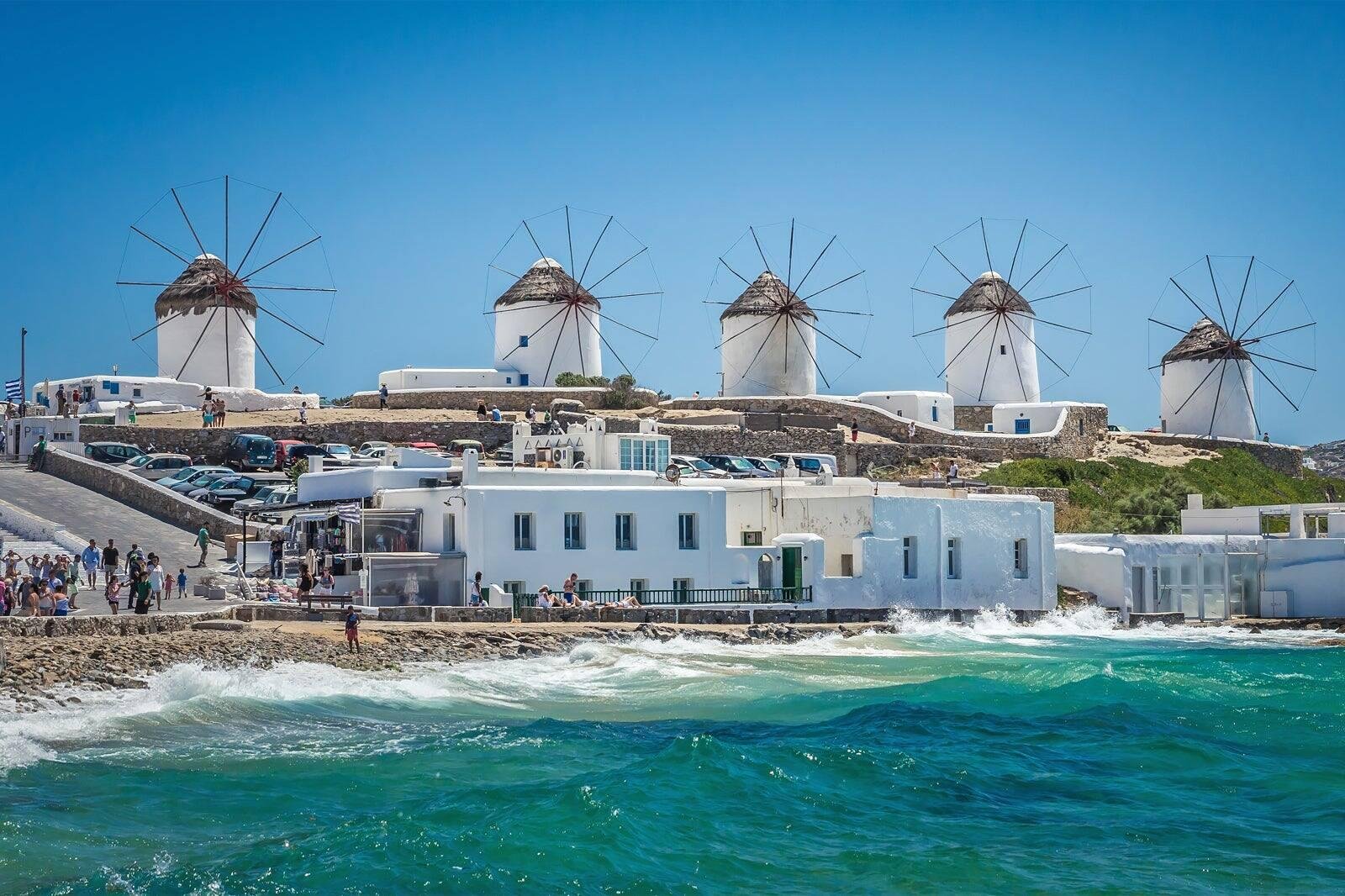
Choosing the best time to visit Greece depends on what you want from your holiday.
For many travellers, Greece means sunny beaches, island hopping, long lunches by the sea and warm summer evenings. But Greece is much more than a summer destination. Spring can be excellent for sightseeing and outdoor activities, autumn can combine pleasant conditions with cultural exploration, and winter offers a quieter experience of mainland cities and some islands.
Greece has a Mediterranean climate, with plenty of sunshine, generally mild temperatures and relatively limited rainfall. However, the country’s geography creates considerable regional variation between the mainland, islands, coastal areas and mountains.
The best time for your trip therefore depends on your destination, activities, budget and tolerance for heat and crowds.
When Is the Best Time to Visit Greece?
For many travellers, May to June and September to October can be attractive periods for exploring Greece, particularly if you want a balance between warm weather, sightseeing and outdoor experiences.
July and August are the core summer months and are particularly popular for beach holidays and island travel.
Spring is well suited to sightseeing, hiking and exploring historical sites.
Autumn can be particularly appealing for combining beaches, cultural attractions, food and outdoor activities.
Winter is quieter and can be a good opportunity to explore Athens, Thessaloniki and mainland destinations without planning a traditional beach holiday.
There is no single best month for everyone. Greece’s official tourism organisation emphasises that the country’s climate varies considerably because of its geography, terrain and relationship between mainland and sea.
Greece Weather by Season
Spring in Greece: March to May
Spring brings increasingly warmer temperatures and longer days across Greece.
March can still feel relatively cool, particularly in northern Greece and mountainous areas, while April and May generally become more suitable for outdoor exploration.
Spring can be an excellent season for travellers interested in:
- Historical sightseeing
- Archaeological sites
- Walking tours
- Hiking
- Cultural experiences
- Food and village visits
- Photography
- Exploring cities
The official Visit Greece website highlights spring as one of the country’s distinct travel seasons and promotes experiences beyond the traditional summer holiday.
Why visit Greece in spring?
One of the main advantages is that you can spend more time outdoors without the intense heat that can occur during the height of summer.
This can be especially useful when visiting archaeological sites, walking through historic towns or hiking on islands.
For example, Visit Greece describes hiking on Hydra as a year-round activity, while identifying spring and autumn as particularly suitable seasons and recommending that summer hikes avoid the hottest part of the day.
Best spring destinations
Consider:
- Athens
- Crete
- Rhodes
- Corfu
- Santorini
- Hydra
- Peloponnese
- Thessaloniki
Spring is particularly attractive if your holiday combines cities, history and outdoor activities rather than focusing exclusively on swimming.
Summer in Greece: June to August
Summer is the traditional peak travel season in Greece.
June, July and August are especially popular for island holidays, beach trips, sailing, swimming and outdoor dining.
Greece’s summer climate is generally hot and dry, although conditions vary by location. Seasonal winds known as meltemi or etesian winds can help moderate hot conditions in some areas. Mountainous regions are generally cooler than coastal areas.
June in Greece
June can be an appealing month for travellers who want warm weather without travelling at the height of the summer season.
It is suitable for:
- Island hopping
- Beach holidays
- Sailing
- Swimming
- Outdoor dining
- Sightseeing
- Romantic holidays
For many itineraries, June provides a useful balance between summer conditions and the peak of July and August.
July in Greece
July is firmly within Greece’s summer season.
It is particularly suitable for travellers whose priority is a classic Mediterranean island holiday.
Expect:
- Hot weather
- Long sunny days
- Beach activities
- Swimming
- Island excursions
- Outdoor dining
- Busy popular destinations
If you are visiting archaeological sites or planning hikes during very hot weather, schedule outdoor activities for the morning or later in the day where appropriate.
Visit Greece specifically advises visitors undertaking summer hikes to avoid the midday heat when conditions are unsuitable.
August in Greece
August remains one of the busiest periods for Greek tourism.
It can be an excellent choice for travellers who want the full summer island experience, but popular destinations can be busy.
Santorini, Mykonos and other well-known islands attract large numbers of visitors during the summer season.
If travelling in August, consider:
- Booking accommodation early
- Reserving popular activities in advance
- Allowing flexibility for transportation
- Avoiding overly ambitious island-hopping schedules
- Planning sightseeing around the heat
Autumn in Greece: September to November
Autumn is one of the most interesting seasons for travellers who want a mixture of warm-weather experiences and cultural exploration.
September can still feel very much like summer in many coastal destinations, while October generally brings more comfortable conditions for sightseeing and outdoor activities.
November is cooler, particularly on the mainland and in northern areas.
Why visit Greece in autumn?
Autumn can be ideal for:
- Island holidays
- Cultural tours
- Food experiences
- Hiking
- Photography
- Village exploration
- Historical sightseeing
- Romantic holidays
Visit Greece currently highlights autumn as one of its four major travel seasons, alongside summer, winter and spring.
September in Greece
September is particularly attractive for travellers who want warm weather while moving away from the height of the summer season.
It can work well for:
- Santorini
- Mykonos
- Crete
- Rhodes
- Corfu
- Athens
- Island hopping
It is also a useful month for combining beaches with cultural sightseeing.
October in Greece
October can be a particularly good month for travellers who prefer exploration to intense summer heat.
The weather can vary considerably between regions, so your exact destination matters.
It is a good period to consider:
- Athens city breaks
- Cultural tours
- Mainland Greece
- Crete
- Rhodes
- Hiking
- Food and wine experiences
The official tourism organisation notes that Greece can experience different climatic conditions during the same season, including warmer coastal conditions and cooler mountain weather.
Winter in Greece: December to February
Winter is often overlooked by travellers planning a Greece holiday.
Although the Greek islands are strongly associated with summer tourism, Greece remains a year-round destination.
Winter conditions vary significantly. Lowland areas generally have mild winters, while mountainous regions can receive snow.
What can you do in Greece during winter?
Winter is suitable for:
- Athens sightseeing
- Museums
- Historical attractions
- Thessaloniki city breaks
- Mountain destinations
- Cultural tourism
- Food experiences
- Religious and heritage tourism
- Winter sports in suitable mountain areas
It is a very different experience from a summer island holiday.
If your priority is swimming and beach time, summer or the warmer shoulder seasons are generally more appropriate. If your priority is history, culture and city exploration, winter can offer a different perspective.
Best Time to Visit the Greek Islands
Greece has thousands of islands and islets spread across several island groups, with 227 currently inhabited according to the official tourism organisation. These include the Cyclades, Dodecanese, Ionian Islands, Sporades, North Aegean, Saronic islands and Crete.
Because the islands differ in geography and climate, the best time to visit can vary.
Santorini
Santorini is one of Greece’s most famous destinations, known for its volcanic landscape, caldera views, traditional settlements and sunsets.
For a classic Santorini holiday, the warmer months from late spring through early autumn are particularly suitable.
Spring and autumn can be appealing if you want to combine sightseeing and walking with the island’s scenery.
Visit Greece’s Santorini routes specifically describe spring through autumn as an ideal period, while recommending that summer hiking be planned around the heat.
Best for:
Romance, scenery, photography, food, island experiences and relaxation.
Mykonos
Mykonos is particularly associated with beaches, nightlife, luxury travel, shopping and its distinctive Cycladic architecture.
Summer is the island’s major season, making it suitable for travellers looking for a lively beach holiday.
For a quieter experience, shoulder-season travel can be worth considering depending on the activities and services you want available.
Best for:
Beach holidays, nightlife, luxury travel, couples and social experiences.
Crete
Crete is Greece’s largest island and offers considerably more variety than a short island getaway.
Visitors can combine:
- Beaches
- Historic towns
- Archaeological sites
- Mountains
- Villages
- Food
- Outdoor activities
Because of its size and geographical diversity, Crete can work particularly well in spring and autumn as well as summer.
Best for:
Longer holidays, families, food, beaches, history and outdoor exploration.
Rhodes
Rhodes combines beaches with substantial historical and cultural attractions.
Its medieval heritage, archaeological sites, traditional settlements and coastal resorts make it suitable for travellers who want more than a beach holiday.
Spring through autumn can be attractive for exploring the island, with summer particularly suited to classic beach holidays.
Best for:
History, beaches, couples, families and longer island holidays.
Corfu and the Ionian Islands
The Ionian Islands have a somewhat different landscape from the Cyclades.
Official Greek tourism information describes the Ionian Islands as greener and more heavily vegetated, with a mild climate and rugged coastlines.
Corfu, Kefalonia, Zakynthos, Lefkada and other Ionian destinations offer opportunities for beaches, nature, food, villages and cultural exploration.
The Ionian Islands can therefore be particularly interesting for travellers who want a greener island landscape rather than the dry, white-and-blue aesthetic associated with parts of the Cyclades.
Best for:
Nature, beaches, families, food, road trips and relaxed island holidays.
Best Time to Visit Greece for Different Types of Holidays
The best travel month depends heavily on what you want to do.
| Holiday Type | Recommended Period | Destinations to Consider |
|---|---|---|
| Beach holiday | June–September | Crete, Rhodes, Mykonos, Corfu |
| Island hopping | May–June, September | Cyclades, Dodecanese, Ionian Islands |
| Sightseeing | March–May, September–October | Athens, Thessaloniki, mainland Greece |
| Hiking | Spring and autumn | Crete, Hydra, Corfu, mainland Greece |
| Romantic holiday | May–June, September–October | Santorini, Mykonos, Crete |
| Family holiday | May–June, September | Crete, Rhodes, Corfu |
| Luxury island holiday | June–September | Santorini, Mykonos, Crete |
| Cultural holiday | Spring, autumn and winter | Athens, Thessaloniki, mainland Greece |
| Food and village experiences | Spring and autumn | Crete, Corfu, Peloponnese |
| Winter city break | December–February | Athens, Thessaloniki |
These periods are general planning guidelines rather than guarantees of specific weather conditions. Greece’s climate varies between regions and from year to year.
When Is the Best Time for a Greek Islands Cruise?
If you are planning a Greek islands cruise, the shoulder seasons can offer an interesting balance between pleasant weather and sightseeing conditions.
May and June can be attractive for travellers who want to explore islands before the height of summer.
September and early October can also be appealing, particularly for travellers who want warm-weather experiences combined with cultural exploration.
Summer remains popular for cruising because of the classic combination of sunshine, swimming and outdoor activities.
When choosing a cruise, however, consider more than the month. Check the actual itinerary, ports, sailing dates and time available at each destination.
Is Greece Too Hot in Summer?
Greece can become very hot during summer, particularly during periods of high temperatures.
This does not necessarily mean summer is a bad time to visit. It simply means travellers should plan activities accordingly.
For example:
- Visit archaeological sites earlier in the day.
- Carry water when sightseeing.
- Use sun protection.
- Take breaks during the hottest part of the day.
- Choose accommodation with suitable cooling facilities.
- Check local weather forecasts before outdoor activities.
Greece’s official tourism organisation notes that summer is characterised by dry heat and seasonal winds, while mountainous areas tend to be cooler.
What Is the Rainiest Season in Greece?
Rainfall varies significantly across Greece.
The country has a Mediterranean climate with generally limited rainfall, but the amount and timing differ between regions.
The Ionian Islands, for example, are considerably greener than many of the Cycladic islands and receive more rainfall.
This means you should not assume that weather conditions in Athens, Santorini, Corfu and Crete will be identical at the same time of year.
For an accurate forecast close to your departure date, check the weather for your specific destination.
Cheapest Time to Visit Greece
Travel costs depend on the destination, accommodation, transport and dates, so there is no single low-cost period that applies everywhere.
Generally, travellers looking to reduce peak-season demand may consider:
- Spring
- Autumn
- Winter for mainland city breaks
The popular summer months can attract higher demand, particularly in famous island destinations.
Travelling during shoulder seasons can therefore provide an alternative for visitors who are flexible about dates.
Best Time to Visit Greece for First-Time Travellers
If this is your first trip to Greece, May, June, September or early October can be particularly useful periods to consider.
These months can allow you to combine several experiences:
- Historical sightseeing
- Island exploration
- Beaches
- Outdoor dining
- Cultural experiences
- Photography
- Hiking
- Food tourism
However, your destination should influence your decision.
For a classic beach-focused holiday, summer may be exactly what you want.
For an Athens and mainland cultural trip, spring or autumn may be more comfortable.
For a longer itinerary combining Athens, Santorini and Crete, the shoulder seasons can provide a useful balance between different types of activities.
What to Pack for Greece
Your packing list should reflect both the season and your itinerary.
Spring and autumn
Consider:
- Lightweight clothing
- A light jacket
- Comfortable walking shoes
- Sunglasses
- Sun protection
- A small rain layer
Summer
Consider:
- Lightweight clothing
- Swimwear
- Comfortable sandals or walking shoes
- Hat
- Sunglasses
- Sunscreen
- Reusable water bottle
Winter
For mainland and northern Greece, include:
- Warm layers
- Waterproof outerwear
- Comfortable walking shoes
- Warmer clothing for evenings
- Additional layers for mountain destinations
Always check the forecast for the specific destination shortly before travelling.
Visit Greece also recommends checking destination-specific weather information close to your trip because conditions can differ substantially across the country.
A Month-by-Month Greece Travel Guide
January
A quieter period suitable for city breaks, museums, cultural experiences and mainland travel.
February
Still winter, but useful for travellers interested in quieter cities and cultural exploration.
March
Spring begins to emerge, making outdoor sightseeing increasingly attractive.
April
A good period to consider for cultural tourism, walking and exploring cities and mainland destinations.
May
A strong shoulder-season option for combining sightseeing, island exploration and outdoor activities.
June
Warm summer conditions begin to dominate, making it suitable for beaches, islands and outdoor activities.
July
Peak summer conditions. Excellent for classic beach and island holidays, but expect strong demand.
August
Hot and busy, particularly in popular island destinations. Plan accommodation and transportation well ahead.
September
Warm conditions can continue while the main summer period begins to ease. A useful month for islands and cultural travel.
October
A potentially comfortable month for sightseeing, food, culture and outdoor activities, although conditions vary by region.
November
Cooler conditions begin to dominate, particularly on the mainland. Cultural and city travel can still be rewarding.
December
Winter travel is best suited to mainland cities, cultural experiences and mountain destinations rather than a traditional beach holiday.
Greece Travel Seasons at a Glance
| Season | Months | Typical Travel Experience |
|---|---|---|
| Spring | March–May | Sightseeing, hiking, culture, outdoor experiences |
| Summer | June–August | Beaches, islands, swimming, cruises, nightlife |
| Autumn | September–November | Island travel, culture, food, hiking, sightseeing |
| Winter | December–February | Cities, museums, culture, mountains and quieter travel |
Because Greece has significant regional variation, these descriptions should be treated as broad seasonal patterns rather than exact weather predictions.
Frequently Asked Questions
What is the best month to visit Greece?
There is no single best month for every traveller. May, June, September and early October can be attractive for a combination of sightseeing, island travel and outdoor experiences, while July and August are particularly popular for classic summer holidays.
What is the best time to visit the Greek islands?
For many island destinations, late spring through early autumn is the main travel period. June through September is particularly suitable for beach holidays, while May and September can be attractive for travellers who want a combination of island exploration and sightseeing.
Is September a good month to visit Greece?
Yes. September can be a useful month for combining warm-weather island experiences with cultural sightseeing and outdoor activities.
Is October a good time to visit Greece?
October can be a good choice for travellers interested in sightseeing, culture, food and outdoor activities. However, conditions vary significantly between islands and mainland destinations.
Is Greece worth visiting in winter?
Yes, particularly if you are interested in Athens, Thessaloniki, museums, archaeological sites, cultural experiences and mainland Greece. It is less suitable if your main objective is a traditional beach holiday.
What is the hottest month in Greece?
July and August are generally among the hottest months, although temperatures vary by location and year. Mountainous areas can be significantly cooler than coastal and lowland areas.
When is the best time for a Greece honeymoon?
May, June, September and early October can be attractive for couples who want a mixture of pleasant outdoor conditions, island scenery and sightseeing. Santorini, Mykonos and Crete are among the destinations that can be considered.
When should I visit Greece for hiking?
Spring and autumn can be particularly suitable for hiking because conditions are generally more comfortable than during the hottest summer periods. Visit Greece specifically identifies spring and autumn as favourable hiking seasons on Hydra.
Should I visit Greece in July or September?
Both can work well, but they offer somewhat different travel experiences. July is firmly within the peak summer period, while September can provide a useful combination of warm conditions and a transition away from the height of summer.
Plan Your Greece Holiday with GlobalLink Suisse
The best time to visit Greece ultimately depends on the holiday you want to create.
If your priority is swimming, beaches and island life, summer may be the right choice. If you want to explore ancient sites and historic cities in more comfortable conditions, spring or autumn may be more suitable. And if you want a quieter cultural experience, mainland Greece can remain interesting throughout the winter.
From Athens and Santorini to Mykonos, Crete, Rhodes and the Ionian Islands, Greece offers different experiences throughout the year.
Ready to explore Greece? Contact GlobalLink Suisse to plan a Greece holiday tailored to your travel dates, destinations and interests.