
Japan 7-Day Family Adventure – Tokyo, Kyoto & Osaka
Discover Japan together on a seven-day family journey combining the energy of Tokyo, the traditions of Kyoto and the lively atmosphere of Osaka. This Japan family tour is designed around a balanced introduction to Japanese culture, city sightseeing, food and memorable experiences, making it an appealing option for families travelling from Switzerland and other international markets.
From Tokyo’s modern neighbourhoods and historic districts to Kyoto’s temples, traditional streets and cultural heritage, the journey continues to Osaka, a city celebrated for its food, shopping and vibrant urban character. Japan’s efficient rail network makes the three-city route practical, while each destination offers a distinctly different perspective on the country.
Whether travelling with young adults, teenagers or a multigenerational family, this seven-day Japan itinerary provides a convenient framework for discovering some of the country’s most recognisable destinations without attempting to cover too much of Japan in one trip.
Tour Overview
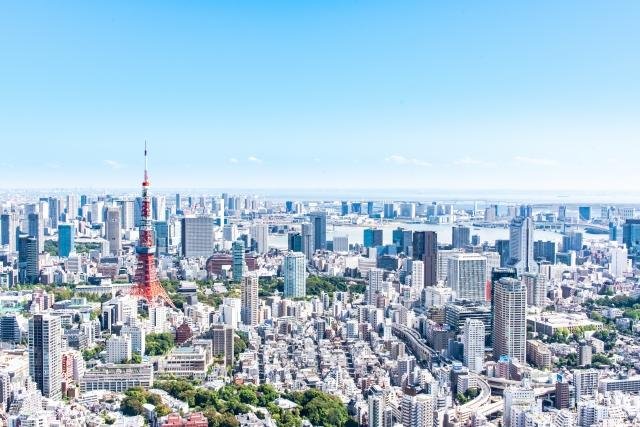
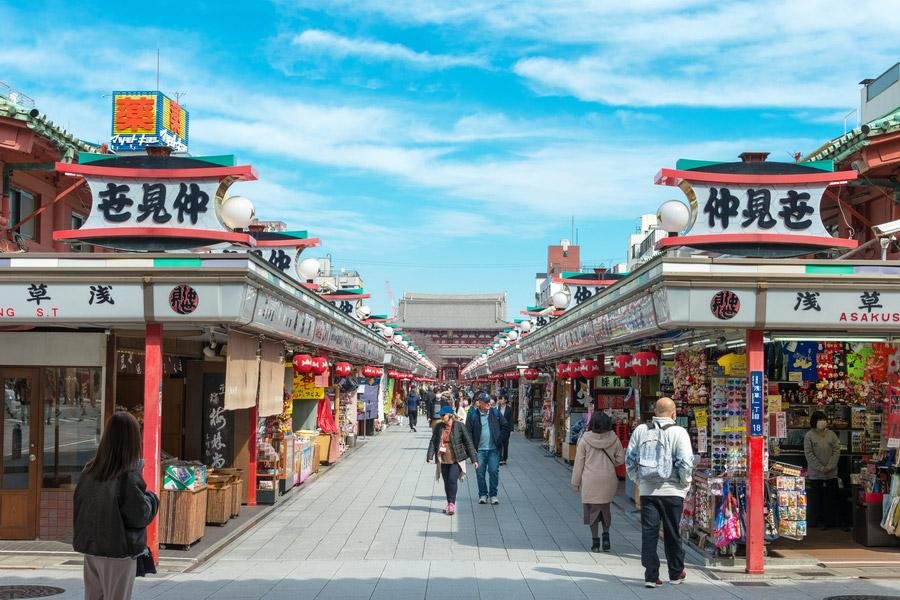
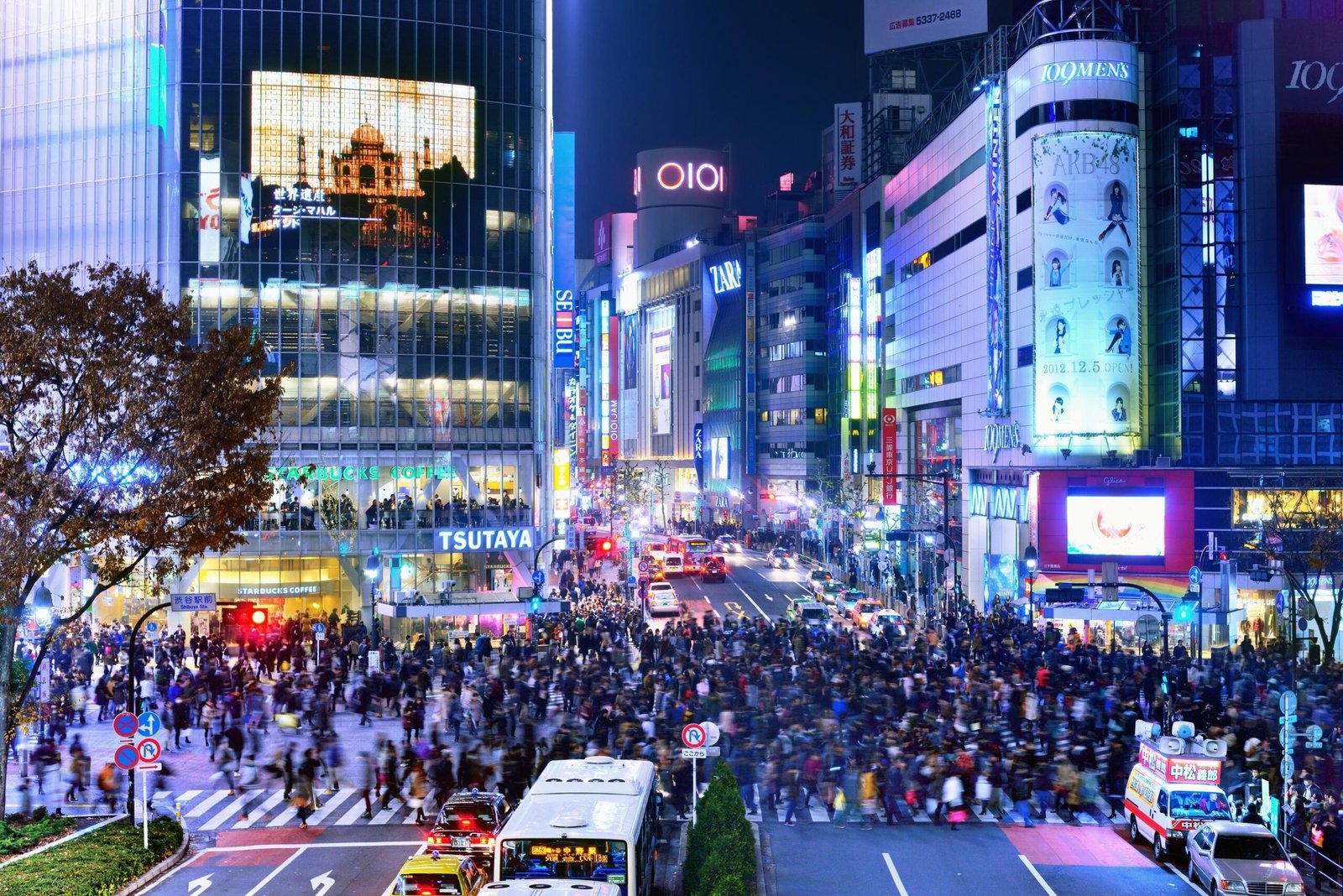
This seven-day family holiday in Japan connects Tokyo, Kyoto and Osaka, creating a varied introduction to the country. Tokyo provides the modern starting point, with its combination of high-rise cityscapes, shopping districts, traditional neighbourhoods and diverse food culture. Families can experience the contrast between areas such as Shibuya and Harajuku and historic districts such as Asakusa.
The journey then moves west towards Kyoto, Japan’s historic cultural centre. Kyoto is particularly suited to travellers interested in temples, shrines, gardens, traditional architecture, tea culture and historic neighbourhoods. Its cultural character has developed over centuries and remains an important part of everyday life in the city.
The final stage takes you to Osaka, where the atmosphere becomes more relaxed and energetic. Osaka combines historical attractions such as Osaka Castle with shopping areas, entertainment districts and a strong local food culture. It is also a useful base for exploring the wider Kansai region.
With Tokyo, Kyoto and Osaka connected by Japan’s extensive rail network, the route offers a natural progression from contemporary Japan to traditional culture and then to the food-focused character of Kansai.
Tour Highlights
- Explore the contrasting modern and traditional sides of Tokyo
- Discover historic temples, shrines and neighbourhoods in Kyoto
- Experience Osaka’s lively food, shopping and entertainment districts
- Travel between major cities using Japan’s convenient rail network
- Introduce the whole family to Japanese cuisine and dining traditions
- Experience different aspects of Japanese urban life in three major cities
- Enjoy a balanced combination of sightseeing, culture, food and leisure
- Create a flexible family itinerary that can be adapted to travel dates and preferences
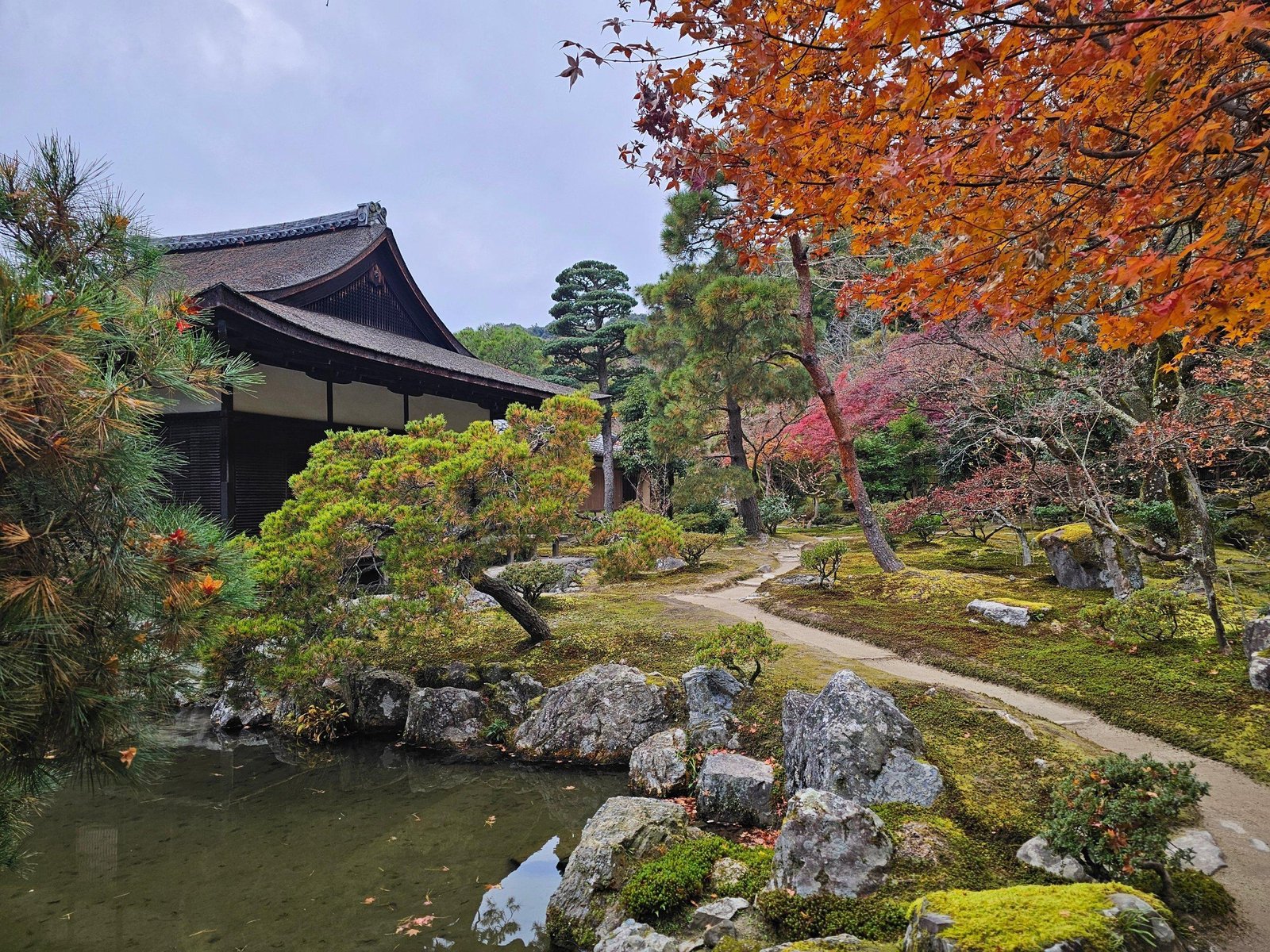
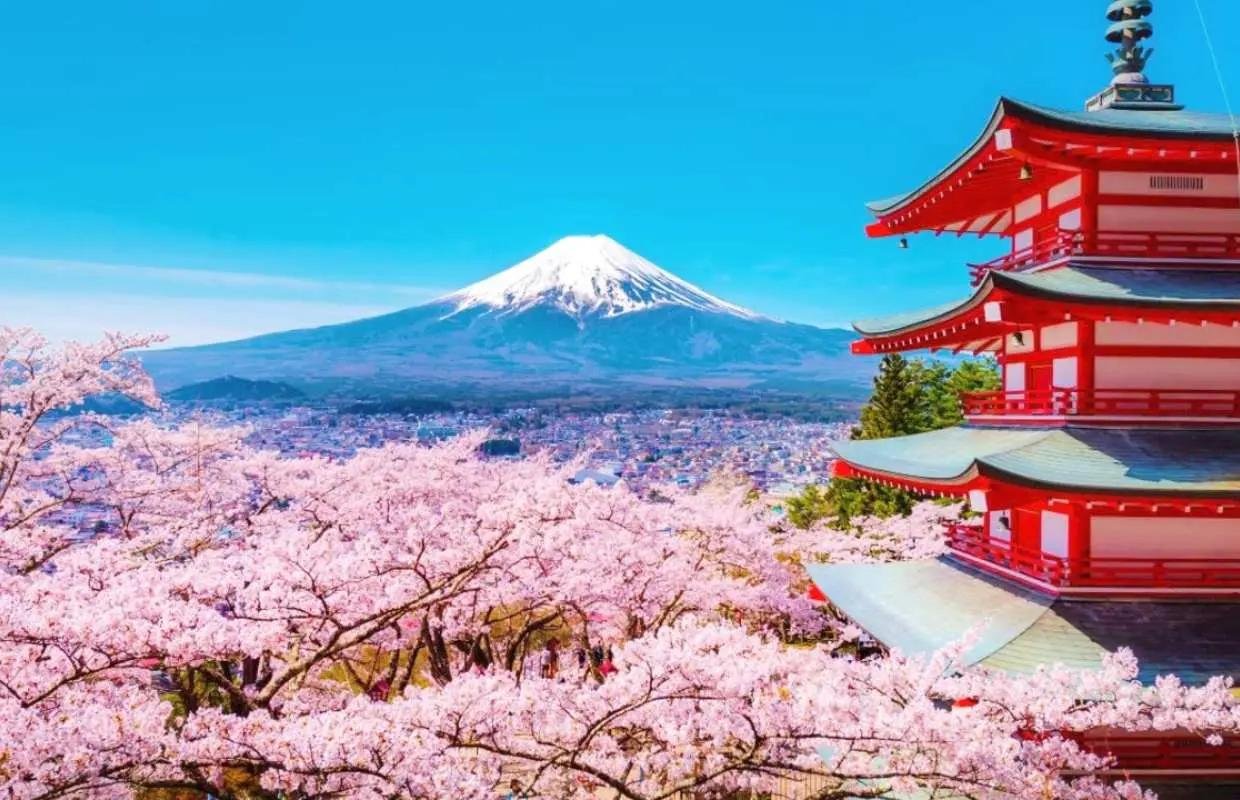
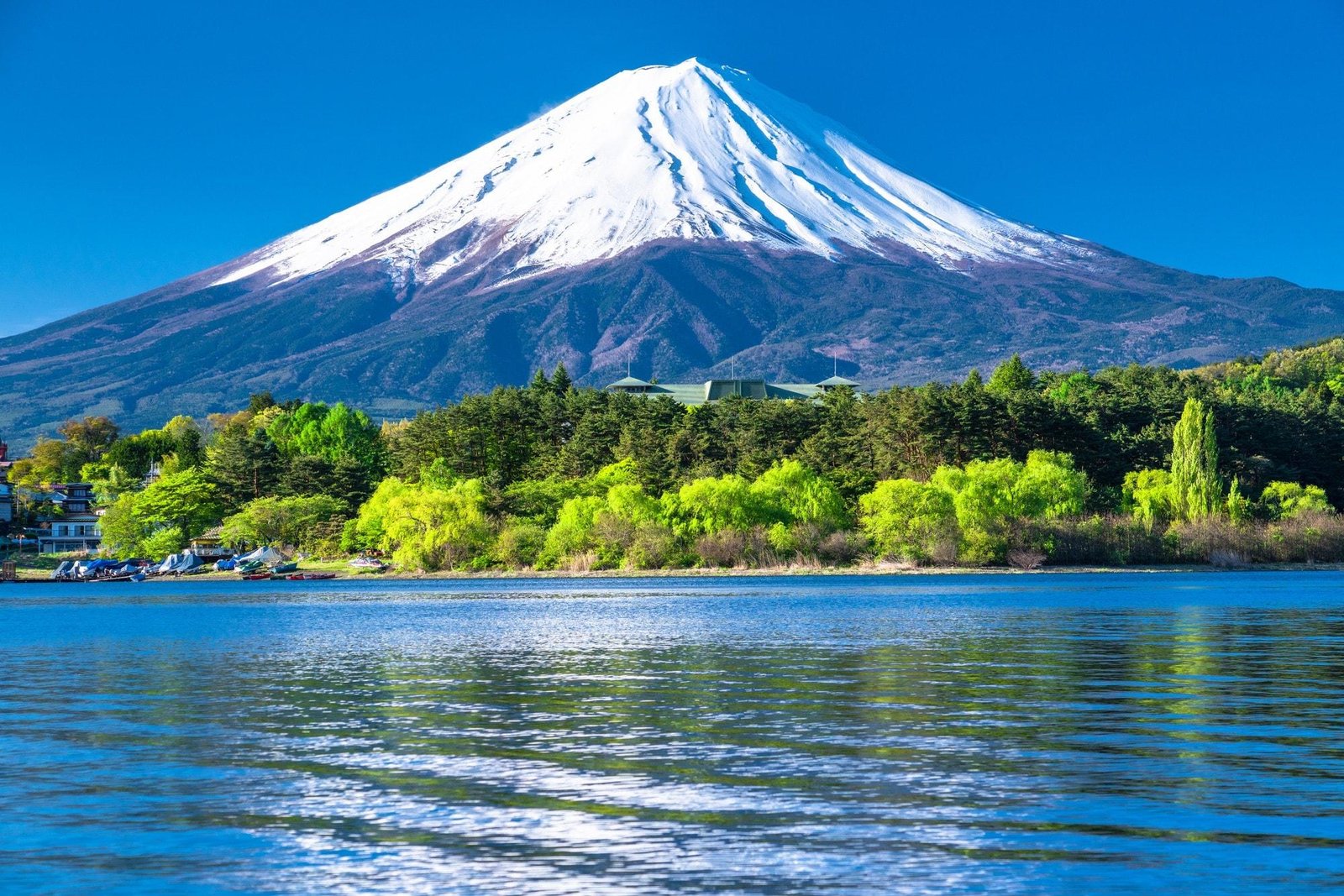
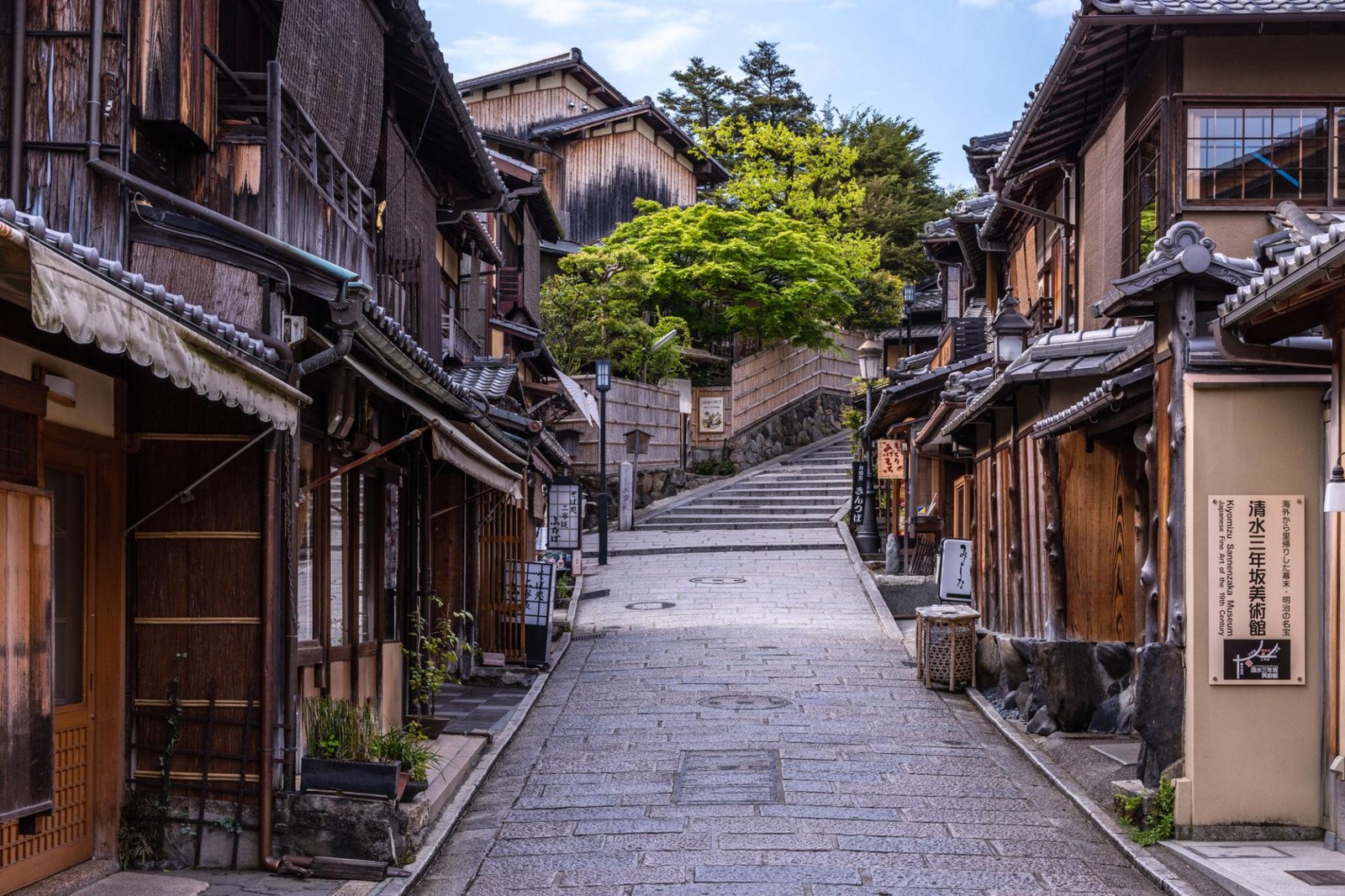
Places You'll See
Tour Itinerary
Price Includes
Day 1 –Arrival in Tokyo & Family Welcome
Arrive in Tokyo and settle into your accommodation. Depending on your arrival time and the final itinerary, the day can be kept relaxed to allow the family to adjust after the international journey. A gentle introduction to the surrounding neighbourhood, local dining or an evening walk can provide the first taste of Tokyo without making the first day unnecessarily demanding.
Day 2 – Tokyo City Experience
Spend the day discovering selected areas of Tokyo. Depending on the family's interests, the suggested experience may combine modern neighbourhoods such as Shibuya and Harajuku with the more traditional atmosphere of Asakusa.
Families can enjoy Tokyo's diverse food scene, shopping and urban sights while also seeing how historic temples and traditional streets coexist with the city's modern architecture. The final sightseeing programme can be adjusted according to age, interests and preferred pace.
Day 3 – Tokyo to Kyoto
Travel from Tokyo towards Kyoto, with the journey providing an opportunity to experience Japan's renowned high-speed rail system. The Tokyo–Kyoto Shinkansen journey takes roughly two hours, although the exact duration depends on the service selected.
After arrival, check in and begin a relaxed introduction to Kyoto. Depending on arrival time, the family may explore the local area, enjoy a traditional Japanese meal or take an evening stroll through one of Kyoto's atmospheric neighbourhoods.
Day 4 – Kyoto Cultural Discovery
Spend the day exploring Kyoto's historic and cultural character. Depending on the final programme, sightseeing can include traditional temples and shrines, historic streets, gardens and areas associated with Kyoto's traditional culture.
Kyoto is also an excellent destination for families who want to experience Japanese traditions through food, tea, architecture and everyday neighbourhood life. Sightseeing can be paced carefully, with time for meals and breaks between major attractions.
Day 5 – Kyoto to Osaka & Osaka Experience
Continue to Osaka, travelling by rail. Once settled in the city, begin exploring its distinctive atmosphere. Osaka is particularly well known for its food culture, shopping and lively urban districts, while Osaka Castle provides an opportunity to discover another side of the city's history.
The afternoon or evening can be adapted around the family's interests, with options for local food experiences, shopping or exploring central Osaka.
Day 6 – Osaka Family Discovery
Enjoy a full day in Osaka at a comfortable family pace. The suggested experience may include Osaka Castle and its surrounding park, central shopping districts and the lively Minami area.
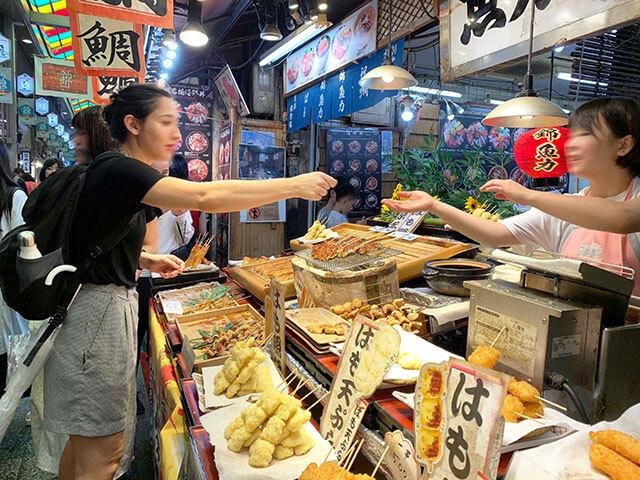
Food can become an important part of the day, with Osaka known for local specialities such as takoyaki. Families can also use the day for leisure, shopping or optional experiences depending on the final programme.
Day 7 – Leisure, Departure & Journey Home
Enjoy a final morning in Osaka before departure, subject to the timing of the international flight. There may be time for breakfast, last-minute shopping or a relaxed walk before transferring for the journey home.
The exact departure arrangements depend on the confirmed flights and final travel package.
Destinations & Experiences
Tokyo
Tokyo introduces travellers to the contemporary face of Japan while retaining strong links to the country's history. Families can explore districts such as Shibuya and Harajuku for modern city culture and shopping, while Asakusa offers traditional temples and historic streets. Tokyo also provides an extensive choice of Japanese and international cuisine.
Kyoto
Kyoto is the cultural heart of this family itinerary. Its temples, shrines, gardens and traditional neighbourhoods provide opportunities to experience a different side of Japan from the modern energy of Tokyo. Families interested in Japanese traditions, architecture, food and history will find plenty to explore.
Osaka
Osaka adds a more informal and energetic dimension to the journey. The city combines historical attractions, shopping, entertainment and a strong culinary identity. Its location in the Kansai region also makes it a practical gateway to other nearby destinations if travellers decide to extend their trip.
Culture, Food & Local Experiences
Japanese culture is an important part of the experience rather than something confined to museums. Families encounter traditions through temples and shrines, Japanese gardens, architecture, food, public etiquette and everyday neighbourhood life.
Food is another major part of the journey. Tokyo offers an enormous range of dining experiences, Kyoto is associated with carefully prepared traditional cuisine, while Osaka is particularly known for casual local dishes and its lively food districts.
Depending on the season and final itinerary, travellers may also encounter festivals, seasonal illuminations, cherry blossoms, autumn foliage or winter experiences. Japan has four distinct seasons, each offering different travel possibilities.
Who This Tour Is For
This Japan family tour is particularly suitable for:
- Families visiting Japan for the first time
- Families travelling with teenagers or older children
- Multigenerational families seeking a varied cultural holiday
- Travellers who want a combination of modern cities and traditional Japan
- Families interested in Japanese food and local culture
- Travellers looking for a structured seven-day Japan vacation
- Swiss and international travellers seeking a professionally planned outbound holiday
The pace and sightseeing emphasis can be discussed with GlobalLink Suisse when planning the final itinerary.
Best Time to Visit Japan
Japan can be visited throughout the year, with each season offering a different travel experience. Spring, generally March to May, is associated with cherry blossoms and fresh greenery and is one of the country's busiest sightseeing periods. Autumn, from September to November, is known for comfortable conditions and autumn foliage.
Summer brings festivals, fireworks and outdoor activities, although conditions can be hot and humid. Winter offers a different atmosphere, with seasonal scenery and opportunities for snow-related experiences in appropriate regions. Tokyo and Kyoto have different local conditions from northern and mountainous areas, so clothing should be selected according to the planned route and dates.
For a Tokyo–Mount Fuji–Kyoto itinerary, the preferred travel period depends on whether your priority is spring blossoms, autumn colours, summer events or winter scenery.
Travel Information
Passport: Travellers should carry a valid passport meeting Japan's current entry requirements.
Visa: Visa requirements depend on nationality, passport type, residence status and the purpose and length of travel. Japan currently lists Switzerland among countries with short-term visa exemption arrangements, with ordinary visitors generally granted up to 90 days under the applicable arrangement. Travellers of other nationalities should check the current requirements with the Japanese Ministry of Foreign Affairs before departure.
Currency: Japan uses the Japanese yen (JPY).
Language: Japanese is the principal language. English is commonly encountered in major tourist areas, transport facilities and hotels, although travellers may find translation tools useful in some situations.
Transportation: Japan has an extensive rail and public transportation network. The Shinkansen is particularly useful for longer intercity journeys, including travel between Tokyo and Kyoto.
Weather: Conditions vary considerably by season and region. Check the forecast shortly before departure and pack accordingly.
What to Pack: Comfortable walking shoes are recommended because city sightseeing often involves considerable walking. Add seasonal clothing, a compact rain layer and any personal medication or travel essentials.
Electricity: Japan generally uses 100V electricity. Plug types can differ from those used in Switzerland and other countries, so travellers should check their equipment and bring a suitable adapter if necessary.
Travel Insurance: Comprehensive travel insurance is recommended. Japan's Ministry of Foreign Affairs also recommends overseas travel medical insurance for visitors.
Frequently Asked Questions
What is the best time for a Japan family tour?
Spring and autumn are popular for comfortable sightseeing, while summer and winter offer their own seasonal experiences. Japan's four seasons provide different attractions throughout the year.
How many days do you need in Japan?
Seven days allows travellers to combine major cities such as Tokyo, Kyoto and Osaka, although a longer stay provides more time for regional exploration. Japan's official tourism guidance notes that around one week can cover major cities, while longer trips allow for deeper exploration.
What is included in a Japan tour package?
Inclusions depend on the selected package. Accommodation, transportation, sightseeing, meals and guide services are included only where stated in the confirmed itinerary.
Is Japan suitable for first-time family visitors?
Yes. Major cities have extensive transportation networks, tourist services and English signage in many key locations. Families can also choose a professionally planned itinerary to reduce the complexity of arranging transportation and sightseeing independently.
Why Travel with GlobalLink Suisse?
GlobalLink Suisse approaches international travel planning with an emphasis on creating practical, well-organized journeys around the traveller's requirements. For a destination such as Japan, where transportation, seasonal conditions and the balance between major cities and regional experiences can significantly shape a trip, careful itinerary planning can make the journey easier to manage.
The Japan programme can be discussed around your preferred travel dates, travel style and priorities. Whether your interest is Japanese culture, food, city sightseeing, mountain scenery or a combination of these experiences, GlobalLink Suisse can help shape the journey around the elements that matter most to you.
For travellers planning Japan travel from Switzerland or elsewhere in Europe, the team can also discuss the wider international travel arrangements required for the journey.
Customize Your Journey
Your Japan experience can be discussed according to your preferred:
- Travel dates and departure arrangements
- Trip duration
- Group size
- Accommodation preferences
- Sightseeing interests
- Cultural and culinary experiences
- Additional destinations
- Special travel requirements
Travellers who have more than seven days may also consider extending the programme with additional Japanese destinations or experiences.
Call to Action
Ready to explore Japan?
Contact GlobalLink Suisse to discuss your preferred travel dates, group size, accommodation preferences and itinerary requirements. Start planning a Japan journey that combines Tokyo's modern energy, Mount Fuji's remarkable scenery and Kyoto's enduring cultural heritage.
Package Includes
The precise inclusions depend on the selected package and confirmed itinerary.
Potential arrangements may be structured around:
- Accommodation selected according to the confirmed package
- Intercity transportation where included in the chosen itinerary
- Sightseeing and experiences specifically listed in the final programme
- Local transportation where specified
- Guide or assistance services where confirmed
- Meals specifically stated in the final package
Final inclusions are confirmed based on the selected package and itinerary.
Price Excludes
Depending on the selected package, the following may be outside the quoted price:
- International flights unless specifically included
- Travel insurance
- Personal expenses
- Optional activities
- Meals not specified in the confirmed itinerary
- Visa or related documentation costs where applicable
- Additional transportation or services not specifically included
A detailed quotation from GlobalLink Suisse will clarify the final inclusions and exclusions before booking.
Perfect For
- Leisure travelers who want cultural depth & comfort
- Small groups (friends, couples, solo travelers)
- Affinity groups (photography, art, wellness, culinary clubs)
- Mature travelers or first-time visitors to Japan
Optional Add-Ons:
- Business class airport transfers or upgrades: +$150–$300 pp
- Geisha private dinner: +$200–$300 pp
- Luxury ryokan upgrade in Hakone: +$250–$400 pp
- Single room supplement: +$850–$1,200 total