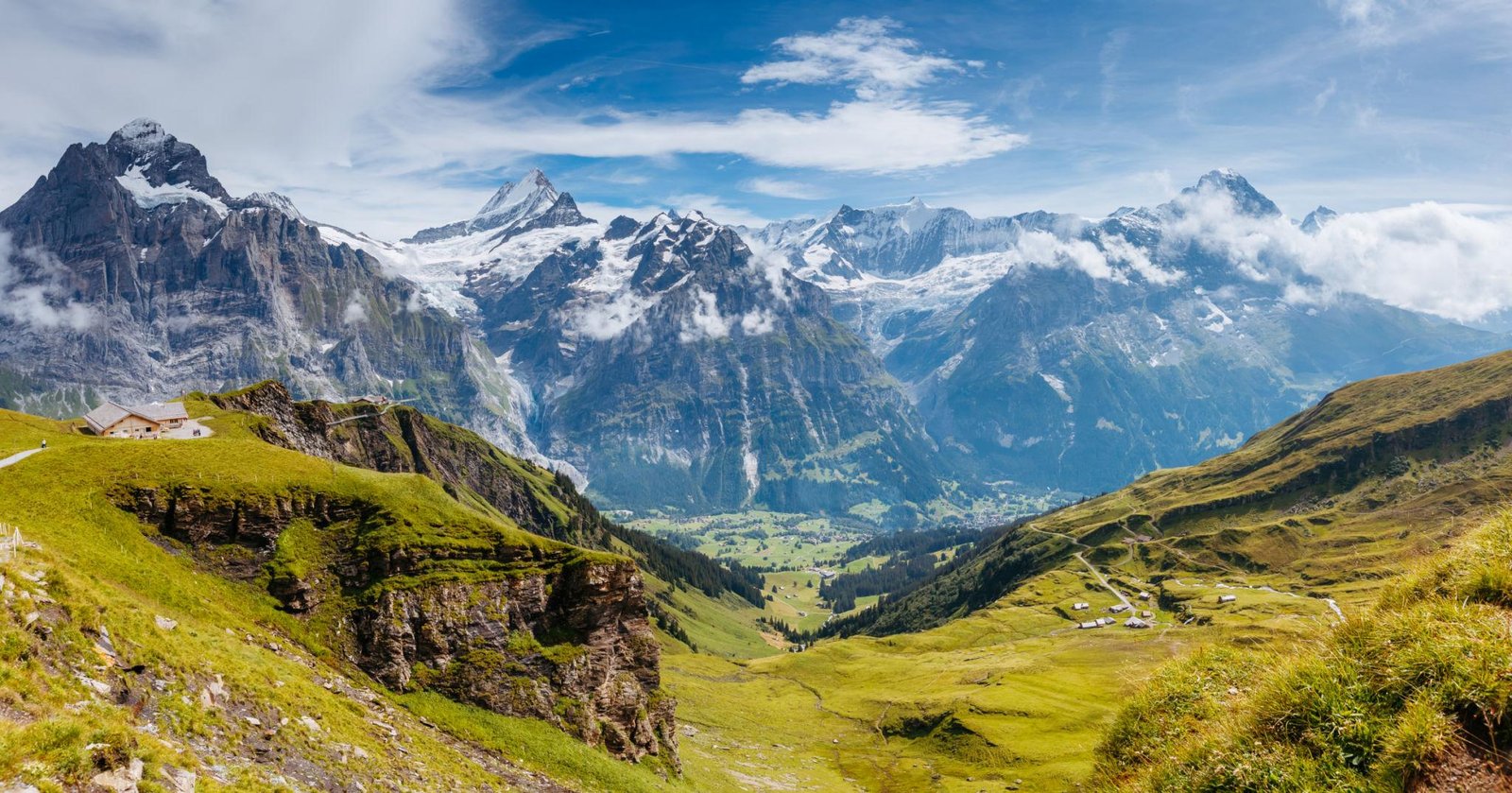
Switzerland is a year-round travel destination, but the best time to visit depends on what you want to experience. Summer is popular for hiking, sightseeing and lake activities, while winter attracts visitors seeking snow-covered landscapes, skiing and festive mountain resorts. Spring brings blooming flowers and fresh green scenery, while autumn offers colourful forests, harvest experiences and fewer visitors in some areas.
Switzerland’s climate varies considerably according to altitude and region. A sunny day in Zurich may feel very different from the weather in Zermatt, Interlaken or a high Alpine mountain area. For this reason, choosing the right travel season requires more than checking the national weather forecast.
This guide explains the seasons in Switzerland, what to expect from the weather, which activities work best throughout the year and how to prepare for a comfortable holiday.
When Is the Best Time to Visit Switzerland?
For many first-time travellers, June to September is a convenient period for exploring Switzerland’s cities, lakes and mountain regions. These months generally offer warmer weather and a wide range of outdoor activities.
However, the best time depends on your travel priorities:
- Best for hiking and outdoor sightseeing: June to September
- Best for skiing and snow activities: Generally December to March, depending on altitude and snow conditions
- Best for autumn scenery: September and October
- Best for spring flowers and city breaks: April and May
- Best for Christmas markets and festive travel: Late November and December
- Best for a quieter city-focused holiday: Selected periods in spring and autumn
Switzerland Tourism explains that each season has its own attractions, from summer sunshine and winter snow to spring blossoms and autumn colours. (Switzerland Tourism)
There is no single perfect month for every traveller. The right choice depends on the activities you want, your budget, the destinations on your itinerary and your tolerance for crowds or changing weather.
Understanding Switzerland’s Weather
Switzerland has four distinct seasons, but its geography creates considerable regional differences. The country includes lowland cities, lake regions, Alpine valleys and high mountain areas.
Altitude is one of the most important factors affecting temperature. Mountain destinations can be much colder than nearby cities, even during summer.
Typical daytime temperature ranges in the lowlands are approximately:
- Winter: -2°C to 7°C
- Spring and autumn: 8°C to 15°C
- Summer: 18°C to 28°C
These are broad guide figures rather than guarantees. Conditions can change quickly, especially in mountain regions. (Switzerland Tourism)
Switzerland’s official meteorological service also notes that temperatures, rainfall and sunshine vary according to location, elevation and the influence of the Alps. (MeteoSwiss)
Switzerland in Spring: March to May
Spring is a refreshing time to visit Switzerland. As temperatures gradually rise, flowers begin to appear, trees develop new leaves and many towns become greener.
Spring can be a good season for travellers who prefer moderate temperatures and want to experience Switzerland before the busiest summer period.
Weather in Spring
Spring weather can be unpredictable. March may still feel wintry, particularly in higher areas, while April and May can bring a mixture of sunshine, rain and occasional cold spells.
At lower elevations, visitors may experience:
- Cool mornings
- Mild afternoons
- Rain showers
- Fresh green landscapes
- Occasional late-season cold weather
In the mountains, snow may remain on the ground well into spring. Some high-altitude hiking routes and mountain facilities may not yet be fully accessible.
Best Things to Do in Spring
Spring is suitable for:
- City breaks in Zurich, Bern and Geneva
- Exploring historic old towns
- Visiting museums and galleries
- Walking around lakes
- Enjoying cafés and restaurants
- Seeing flowers and green landscapes
- Visiting lower-elevation attractions
- Taking scenic train journeys
The season can be particularly attractive for visitors who want a combination of culture and gentle outdoor activities.
Where to Go in Spring
Good destinations to consider include:
Zurich
Zurich offers museums, shopping, historic streets and lakeside walks that can be enjoyed in different weather conditions.
Geneva
Geneva is suitable for exploring Lake Geneva, the Old Town, museums and cultural attractions.
Bern
Bern’s covered arcades, historic streets and museums make it a practical destination during changeable spring weather.
Montreux
Montreux offers lakeside scenery, cultural attractions and access to the surrounding region.
Spring Travel Tips
- Pack layers because temperatures can change throughout the day.
- Bring a light waterproof jacket.
- Check whether mountain excursions are operating.
- Do not assume all hiking trails are snow-free.
- Book accommodation around public holidays in advance.
- Keep indoor alternatives available in case of rain.
Spring is often a good choice for travellers who want a relaxed Switzerland holiday with a mixture of city sightseeing and early-season nature experiences.
Switzerland in Summer: June to August
Summer is one of the most popular times to visit Switzerland. The days are longer, the weather is generally warmer and many mountain routes, cable cars, hiking trails and outdoor attractions are operating.
The season is especially suitable for travellers who want to experience the Swiss Alps, lakes and mountain villages.
Weather in Summer
Summer temperatures vary according to location and elevation. Lower-lying areas can become warm, while mountain regions remain cooler.
Visitors may experience:
- Warm afternoons
- Cool evenings
- Sunshine
- Rain showers
- Afternoon thunderstorms
- Cooler conditions at high altitude
July is generally among the warmest months, although weather conditions vary from year to year. MeteoSwiss notes that the highest temperatures usually occur between June and August, while summer rainfall can include heavy thunderstorms. (MeteoSwiss)
Best Things to Do in Summer
Summer is ideal for:
- Hiking
- Mountain excursions
- Lake cruises
- Scenic train journeys
- Cycling
- Outdoor photography
- Exploring Alpine villages
- Visiting waterfalls
- Swimming in suitable lakes
- Enjoying outdoor cafés
- Visiting mountain viewpoints
The Bernese Oberland, Central Switzerland, Valais and Ticino are popular regions for summer travel.
Best Summer Destinations
Interlaken
Interlaken is a useful base for exploring Lauterbrunnen, Grindelwald, Mürren, Wengen and the Jungfrau region.
Lucerne
Lucerne combines lake scenery, historic streets and access to mountains such as Pilatus, Rigi and Titlis.
Zermatt
Zermatt is suitable for mountain views, hiking, scenic railways and excursions around the Matterhorn.
Grindelwald
Grindelwald offers Alpine scenery, mountain paths, cable-car excursions and access to the Jungfrau region.
Lugano
Lugano has a warmer, Mediterranean-influenced atmosphere, with lakeside promenades, parks and mountain viewpoints.
Summer Crowds and Prices
July and August are often busy, especially in popular mountain destinations and during school holidays. Accommodation, transport and mountain excursions may be more expensive or require advance booking.
Travellers seeking a quieter experience may consider early June or September, while still checking the operating schedule for their chosen destinations.
Summer Travel Tips
- Start mountain hikes early.
- Check weather forecasts before travelling to high elevations.
- Carry water and sun protection.
- Bring a light jacket even on warm days.
- Allow flexibility for thunderstorms.
- Reserve popular accommodation and excursions in advance.
- Wear comfortable shoes with good grip.
- Check cable-car and mountain railway schedules.
Summer is an excellent choice for first-time visitors who want to experience Switzerland’s most famous landscapes and outdoor attractions.
Switzerland in Autumn: September to November
Autumn brings cooler temperatures, colourful forests and a more peaceful atmosphere in many destinations. The changing leaves can make Switzerland especially attractive for photography, scenic train journeys and relaxed sightseeing.
September and October are often more suitable for outdoor travel than late autumn, when some mountain facilities may reduce their operating schedules.
Weather in Autumn
Autumn weather varies considerably:
- September can still feel like summer in lower areas.
- October brings cooler temperatures and colourful landscapes.
- November can be cold, cloudy and unsettled.
- Higher mountain areas may experience early snowfall.
Weather can change quickly, so travellers should prepare for both mild and cold conditions.
Best Things to Do in Autumn
Autumn is suitable for:
- Scenic train journeys
- Lakeside walks
- Photography
- City breaks
- Exploring vineyards
- Visiting museums
- Enjoying local food
- Exploring historic villages
- Gentle mountain walks
- Experiencing harvest traditions
The season can be particularly attractive for travellers who want to avoid the busiest summer period.
Where to Go in Autumn
Lake Geneva Region
Geneva, Lausanne and Montreux offer lake views, cultural attractions and access to vineyards and historic sites.
Bernese Oberland
Interlaken, Grindelwald and Lauterbrunnen can be beautiful in early autumn, although visitors should check mountain transport and trail conditions.
Valais
The Valais region is known for its vineyards, mountain scenery and relatively dry inner-Alpine valleys.
Engadin
The Engadin region can offer striking autumn landscapes, particularly around its lakes and mountain villages.
Autumn Travel Tips
- Pack warm layers and waterproof clothing.
- Check mountain transport operating dates.
- Confirm whether hiking trails are open.
- Plan indoor activities for rainy days.
- Book accommodation around festivals and local events.
- Check sunset times when planning excursions.
- Consider travelling in September or early October for a broader range of activities.
Autumn is a strong option for travellers who value scenery, photography, food and a slower travel pace.
Switzerland in Winter: December to February
Winter transforms many parts of Switzerland into a snow-covered landscape. Mountain resorts become popular for skiing and snowboarding, while cities offer Christmas markets, winter events and seasonal activities.
However, snow conditions vary by altitude and region. Lowland cities may experience cold or foggy weather without consistent snowfall, while higher mountain resorts are more likely to have snow.
Weather in Winter
Winter is generally coldest between December and February. In lower-lying areas, temperatures may remain around freezing, while mountain destinations can be significantly colder.
Visitors may experience:
- Snow
- Frost
- Cold winds
- Fog in some lowland areas
- Icy paths
- Shorter daylight hours
- Rapid weather changes in the mountains
Switzerland Tourism notes that snow is common in many higher regions during winter, while snowfall is less reliable in lower areas. (Switzerland Tourism)
Best Things to Do in Winter
Winter is ideal for:
- Skiing
- Snowboarding
- Sledging
- Snowshoeing
- Winter hiking
- Christmas markets
- Mountain railway journeys
- Visiting thermal spas
- Enjoying Alpine restaurants
- Exploring snowy villages
- Staying in mountain resorts
Best Winter Destinations
Zermatt
Zermatt is a popular winter destination associated with skiing, mountain views and the Matterhorn.
St. Moritz
St. Moritz offers winter sports, luxury accommodation and a refined Alpine atmosphere.
Grindelwald
Grindelwald is suitable for snow activities, mountain excursions and winter scenery.
Verbier
Verbier is known for its mountain setting and winter sports atmosphere.
Lucerne
Lucerne can be a good base for combining city sightseeing with selected mountain excursions, depending on conditions.
Zurich
Zurich offers shopping, museums, restaurants and seasonal events, making it suitable for travellers who prefer a city-focused winter holiday.
Christmas and New Year Travel
The period around Christmas and New Year can be particularly popular. Travellers may enjoy:
- Christmas markets
- Festive decorations
- Seasonal food
- Winter concerts
- Mountain resort celebrations
- Snowy village experiences
Demand can be high around Christmas, New Year and February school holidays. Switzerland Tourism advises travellers to expect increased demand in mountain regions during these periods. (Switzerland Tourism)
Winter Travel Tips
- Pack thermal layers, gloves, a warm hat and waterproof shoes.
- Check snow and road conditions.
- Allow extra time for transport disruptions.
- Book ski resorts and winter accommodation early.
- Confirm whether mountain attractions are open.
- Use footwear with good grip.
- Be cautious on icy paths.
- Check whether your travel insurance covers winter sports.
Winter is the best season for travellers whose main goal is skiing, snow activities or a traditional Alpine winter experience.
Best Time to Visit Switzerland by Activity
The ideal travel period depends on what you want to do.
Hiking
The main hiking season is generally from June to September, although conditions vary by altitude and trail.
Higher routes may remain snow-covered into early summer. Always check local trail information before setting out.
Skiing and Snowboarding
Skiing is generally associated with December to March, but the exact season depends on snow conditions, altitude and the individual resort.
Higher-altitude resorts may offer a longer season than lower resorts.
Scenic Train Journeys
Scenic train journeys can be enjoyed throughout the year. Summer provides green valleys and open mountain landscapes, autumn offers colourful scenery, and winter may provide snow-covered views.
Lake Cruises
Lake cruises operate according to seasonal schedules. Summer is often the most comfortable period for enjoying lakeside scenery and outdoor boat trips.
City Sightseeing
Zurich, Geneva, Bern, Lausanne and other Swiss cities can be visited throughout the year. Spring and autumn may offer comfortable conditions for walking, while winter is suitable for museums, shopping and seasonal events.
Photography
Every season offers different photographic opportunities:
- Spring: Flowers and fresh green landscapes
- Summer: Lakes, mountains and Alpine meadows
- Autumn: Golden forests and harvest scenery
- Winter: Snow-covered villages and mountain resorts
Family Holidays
Families may enjoy Switzerland throughout the year. Summer offers outdoor activities and lake experiences, while winter provides snow activities and festive attractions.
The best season depends on the children’s ages, preferred activities and comfort with cold or changeable weather.
Regional Weather Differences in Switzerland
Switzerland’s weather is not the same everywhere. Regional differences are important when planning a multi-destination holiday.
Zurich and the Swiss Plateau
The Swiss Plateau has a moderate climate but may experience fog and low cloud during the colder months.
Lucerne and Central Switzerland
Central Switzerland has a varied climate influenced by lakes and nearby mountains. Conditions can change quickly during mountain excursions.
Interlaken and the Bernese Oberland
The Bernese Oberland offers dramatic mountain scenery but can experience cloud, rain and changing conditions, especially around the Alps.
Zermatt and the Valais
Parts of the Valais are relatively dry because of the shelter provided by the Alps. However, high-altitude areas remain cold and weather conditions can change rapidly.
Geneva and Western Switzerland
The area around Geneva generally has a moderate climate. Snow is less reliable in the lowlands than in higher mountain regions.
Ticino and Lugano
Ticino is influenced by a milder, Mediterranean-style climate. Lugano is often warmer than many destinations north of the Alps, although rainfall can vary.
MeteoSwiss explains that Switzerland’s varied topography creates different microclimates, with temperatures falling as elevation increases. (MeteoSwiss)
How to Plan Your Switzerland Holiday Around the Weather
A good itinerary should allow flexibility. Weather conditions can affect mountain railways, cable cars, hiking trails, boat trips and outdoor excursions.
Check the Forecast for Each Destination
Do not rely only on a national forecast. Check the specific town, valley or mountain area you plan to visit.
Prepare for Different Elevations
You may begin the day in a warm city and later travel to a mountain viewpoint where temperatures are much lower.
Keep Alternative Activities Available
If rain or cloud affects a mountain excursion, consider:
- Museums
- Historic old towns
- Shopping
- Restaurants
- Indoor attractions
- Scenic train journeys
- Cultural activities
- Spa experiences
Avoid Overloading Your Itinerary
Allow enough time between destinations. Delays, weather changes and transport connections can affect your schedule.
Confirm Seasonal Operating Times
Some mountain railways, cable cars, restaurants and attractions operate only during particular seasons or have maintenance closures.
Check the official website of each attraction before travelling.
What to Pack for Switzerland
Your packing list should reflect the season, region and altitude of your itinerary.
Essentials for Every Season
- Comfortable walking shoes
- Travel documents
- Travel insurance details
- Reusable water bottle
- Personal medicines
- Portable charger
- Small daypack
- Sunglasses
- Basic toiletries
Spring and Autumn
- Layered clothing
- Light waterproof jacket
- Warm sweater
- Comfortable trousers
- Compact umbrella
- Shoes suitable for wet conditions
Summer
- Lightweight clothing
- Sun protection
- Hat
- Sunglasses
- Light jacket
- Comfortable walking shoes
- Water bottle
- Waterproof layer
Winter
- Thermal base layers
- Warm coat
- Gloves
- Hat
- Scarf
- Waterproof boots
- Warm socks
- Clothing suitable for snow
- Lip balm and moisturiser
For mountain excursions, pack warmer clothing than you may need in the city, regardless of the season.
Is Switzerland Expensive During Certain Seasons?
Travel costs can vary according to demand, destination and event schedules.
Prices may rise during:
- Christmas and New Year
- February school holidays
- July and August
- Major festivals
- Popular winter sports periods
- Special events
Travelling during less busy periods may provide more accommodation choices and potentially better value, although some attractions may operate reduced schedules.
When comparing prices, consider the full cost of the trip, including:
- Flights
- Accommodation
- Local transport
- Mountain excursions
- Meals
- Travel insurance
- Equipment rental
- Activities
- Transfers
A lower accommodation price may not represent better value if it requires expensive or lengthy transport to reach your planned activities.
Practical Travel Tips for Every Season
Check Official Weather Information
Use reliable weather sources, especially before mountain excursions.
Dress in Layers
Layers allow you to adapt to changing temperatures throughout the day.
Carry Sun and Rain Protection
Even in cooler months, mountain sunlight can be strong. Rain showers are also possible throughout the year.
Book Popular Experiences Early
Popular mountain railways, hotels and excursions may become busy during peak periods.
Allow Extra Time for Travel
Mountain destinations may require several train, bus or cable-car connections.
Respect Mountain Conditions
Do not underestimate snow, ice, wind or rapidly changing weather. Follow local safety guidance.
Keep Your Plans Flexible
A flexible itinerary makes it easier to adjust to weather conditions without disrupting the entire holiday.
Final Thoughts
The best time to visit Switzerland depends on the type of holiday you want to enjoy.
Summer is ideal for hiking, lake cruises, mountain villages and outdoor sightseeing. Winter is best for skiing, snow-covered landscapes and festive experiences. Spring offers flowers, fresh greenery and city breaks, while autumn brings colourful scenery, harvest traditions and a more relaxed atmosphere.
For many first-time visitors, June, September and early October can provide a useful balance of scenery and outdoor opportunities, although conditions vary by destination and altitude.
Whatever season you choose, Switzerland rewards careful planning. Check local weather forecasts, prepare suitable clothing, confirm seasonal operating schedules and leave enough flexibility in your itinerary.
With the right preparation, Switzerland can offer a memorable travel experience in every season.
Frequently Asked Questions
What is the best month to visit Switzerland?
The best month depends on your interests. June is often suitable for early summer sightseeing, September can offer pleasant conditions and fewer crowds, while December to March is popular for winter activities.
Is summer the best season for Switzerland?
Summer is one of the best seasons for hiking, mountain excursions, lake cruises and outdoor sightseeing. However, it can also be busy and more expensive.
Is Switzerland worth visiting in winter?
Yes. Winter is ideal for skiing, snowboarding, Christmas markets, winter scenery and mountain resort experiences. Snow conditions vary according to altitude and location.
Does Switzerland have snow throughout the year?
Snow can remain in high mountain areas during summer, but it is not guaranteed in cities or lowland destinations. Snow conditions depend on altitude, weather and the time of year.
Is September a good time to visit Switzerland?
September can be an excellent month for sightseeing, hiking and scenic travel. Conditions may still feel summery in lower areas, while mountain weather can become cooler.
What is the rainiest season in Switzerland?
Rainfall varies by region and year. Summer can bring thunderstorms and heavy rainfall, while southern Switzerland may experience different precipitation patterns from northern areas.
Can I visit the Swiss Alps in spring?
Yes, but mountain conditions can still be wintry, especially at higher elevations. Check trail, railway and cable-car operating conditions before planning an excursion.
What should I wear in Switzerland during summer?
Wear comfortable clothing and walking shoes, but also bring a light jacket, waterproof layer and warmer clothing for mountain excursions.
When are Switzerland’s busiest travel periods?
Popular busy periods include Christmas and New Year, February school holidays and the main summer holiday period from around mid-July to mid-August.
Can I travel around Switzerland by train in winter?
Yes. Trains operate throughout the year, although snow, storms or other weather conditions may occasionally affect services. Allow extra time and check travel updates.
Plan Your Switzerland Holiday with GlobalLink Suisse
Switzerland offers beautiful experiences throughout the year, from Alpine summer adventures and lakeside holidays to winter mountain escapes and cultural city breaks.
GlobalLink Suisse can help you plan a Switzerland itinerary suited to your preferred season, destinations, travel style and schedule.
Whether you want to explore Zurich and Lucerne, discover the Swiss Alps, enjoy a romantic mountain escape or arrange a multi-day cultural journey, our team can help coordinate your travel experience.
Contact GlobalLink Suisse today to begin planning your Switzerland holiday.